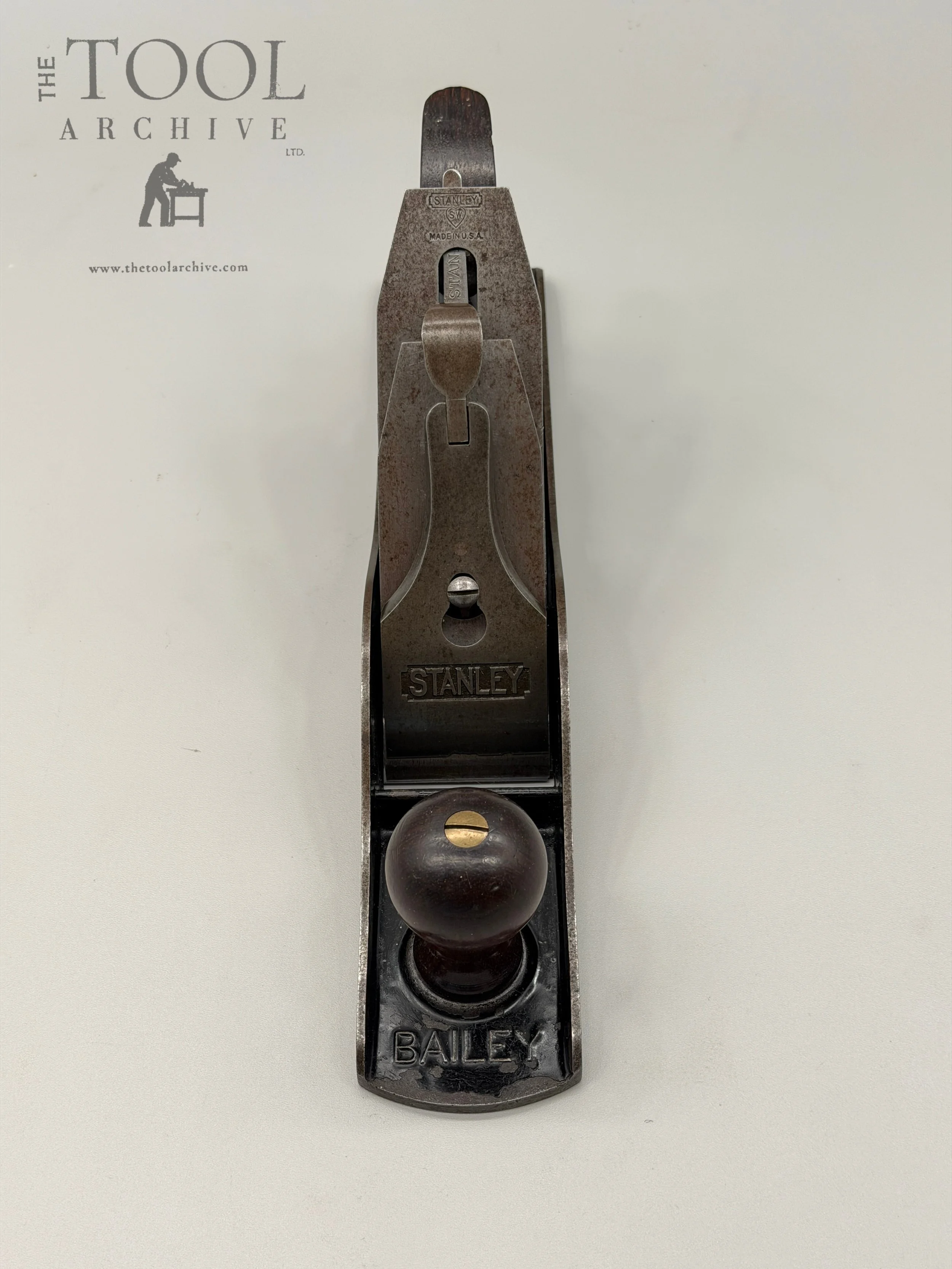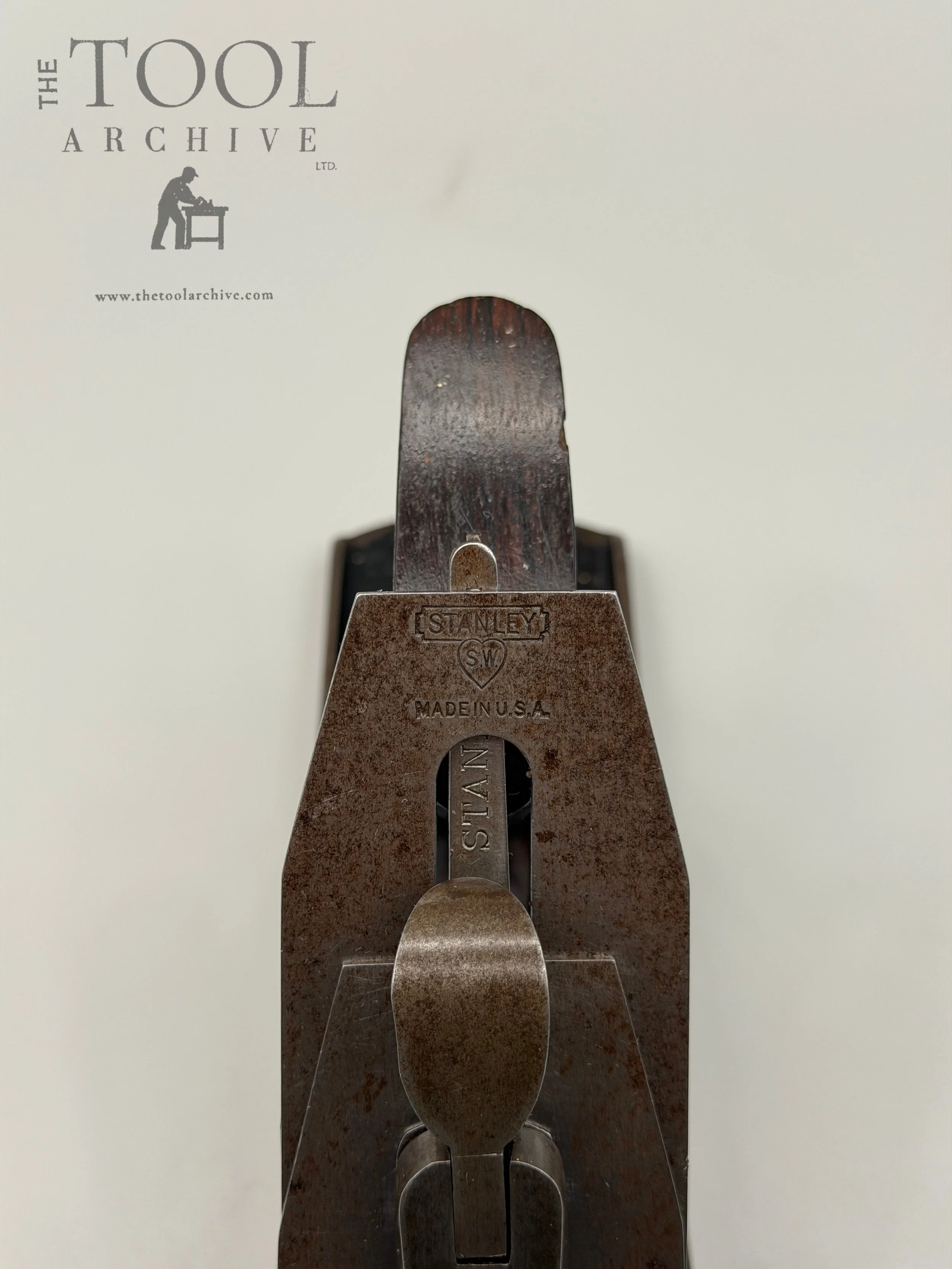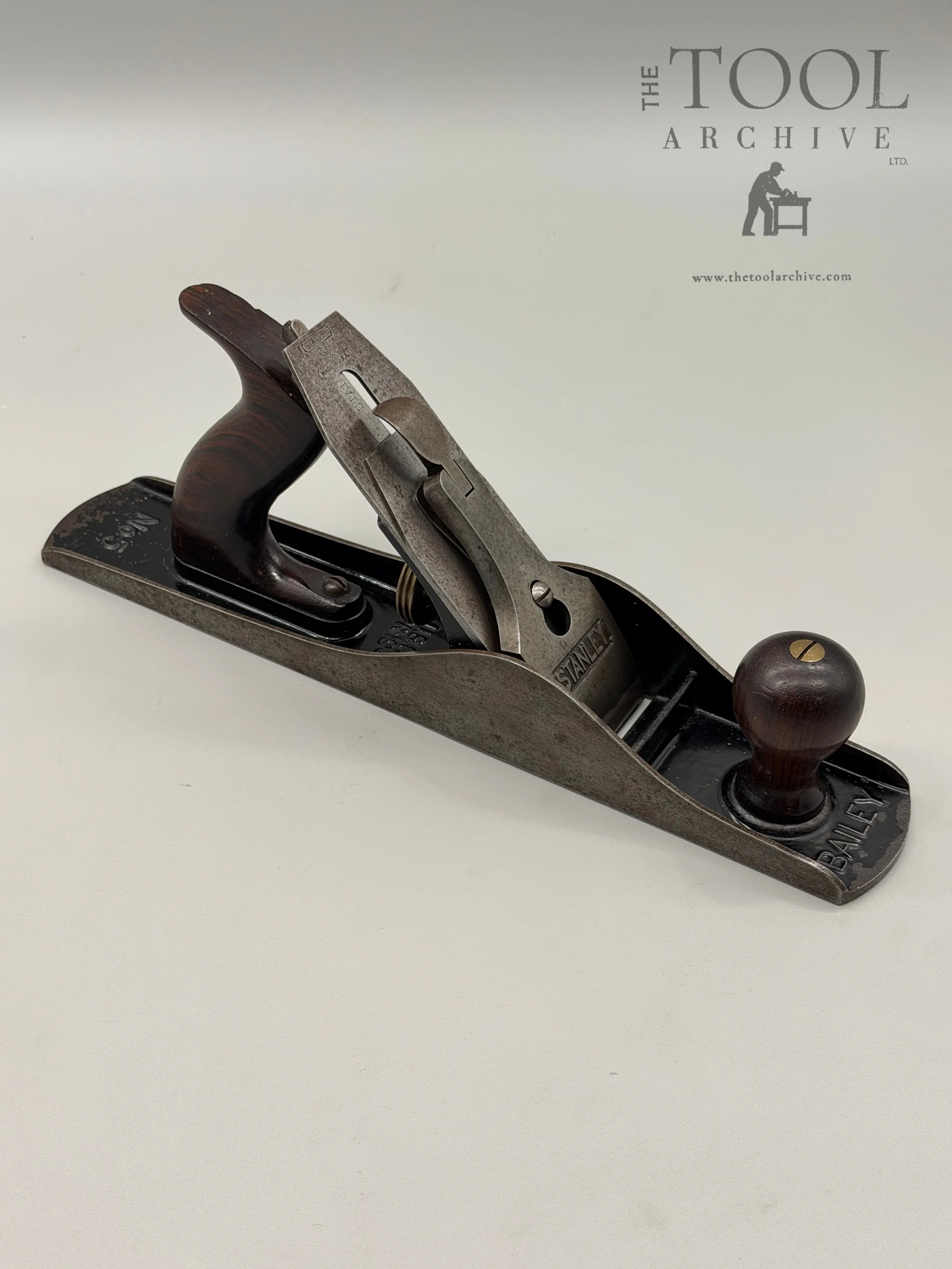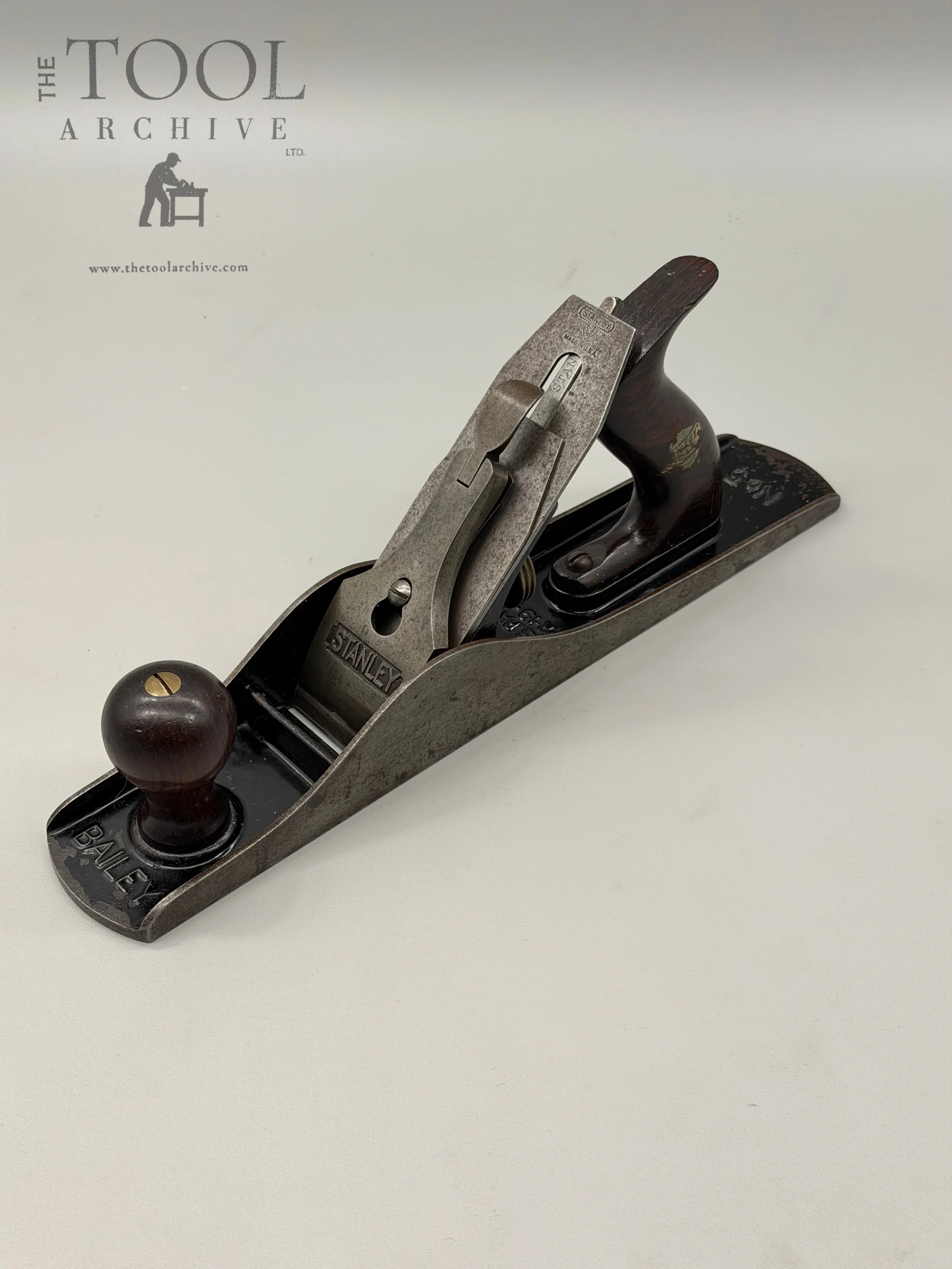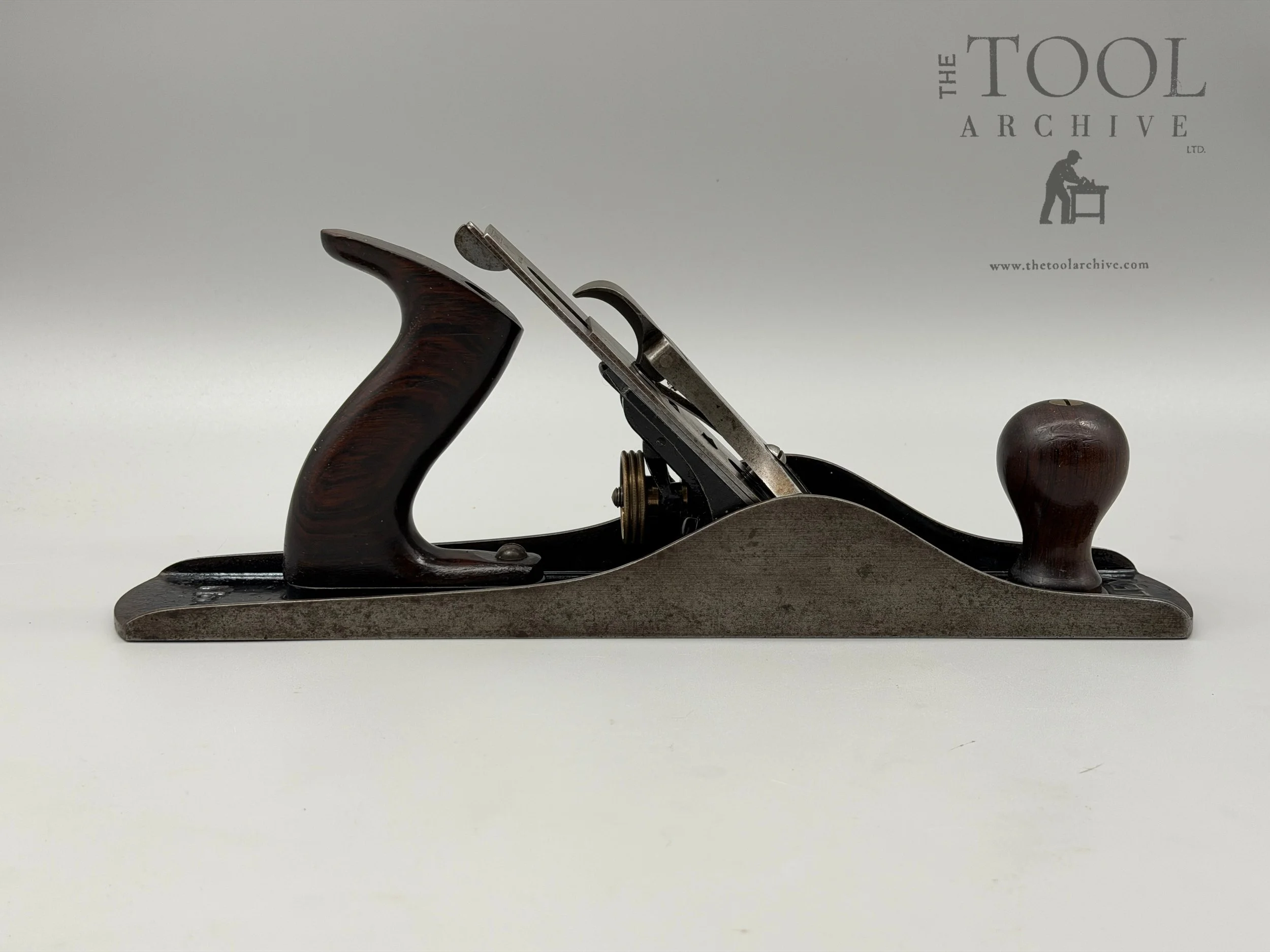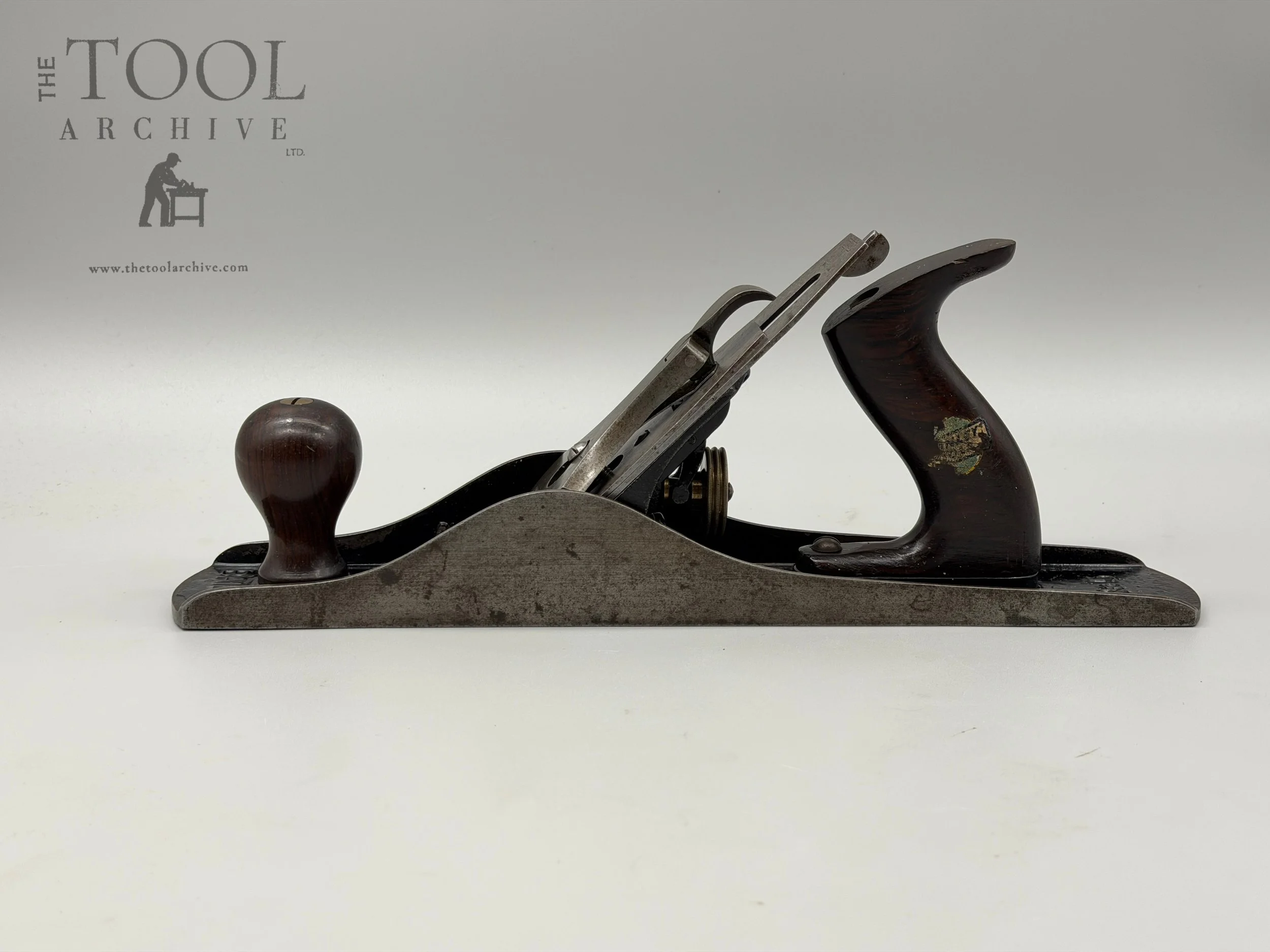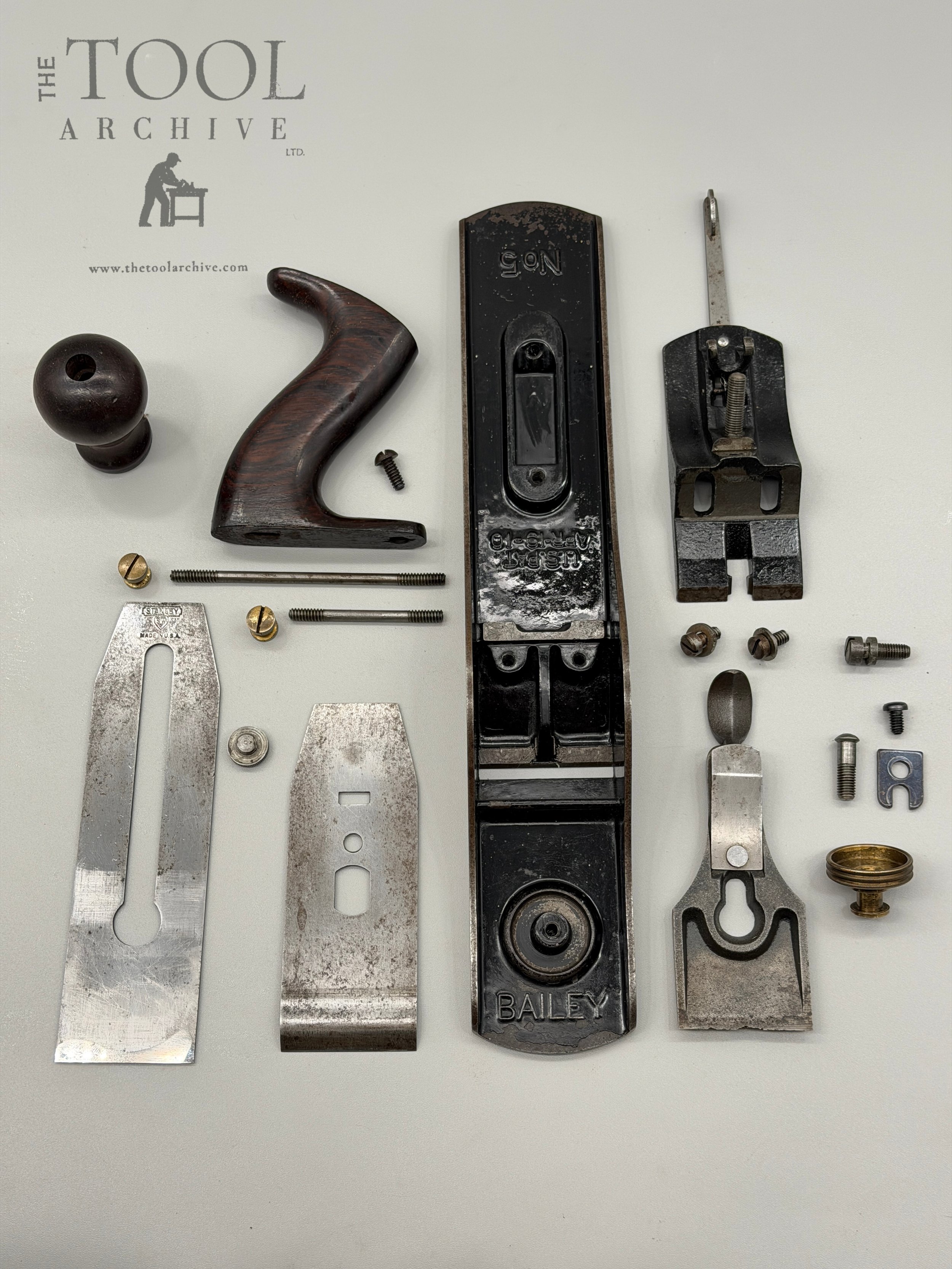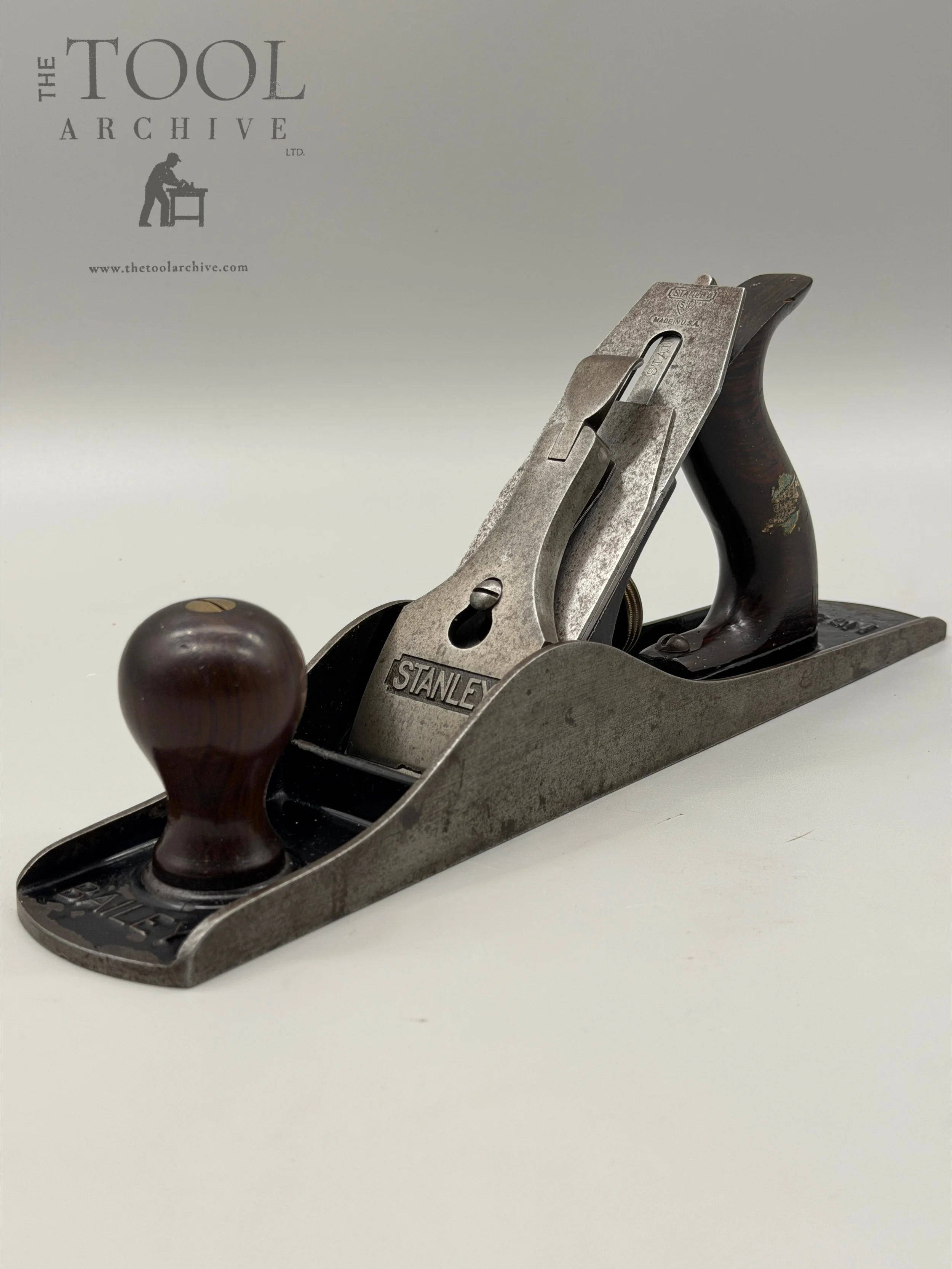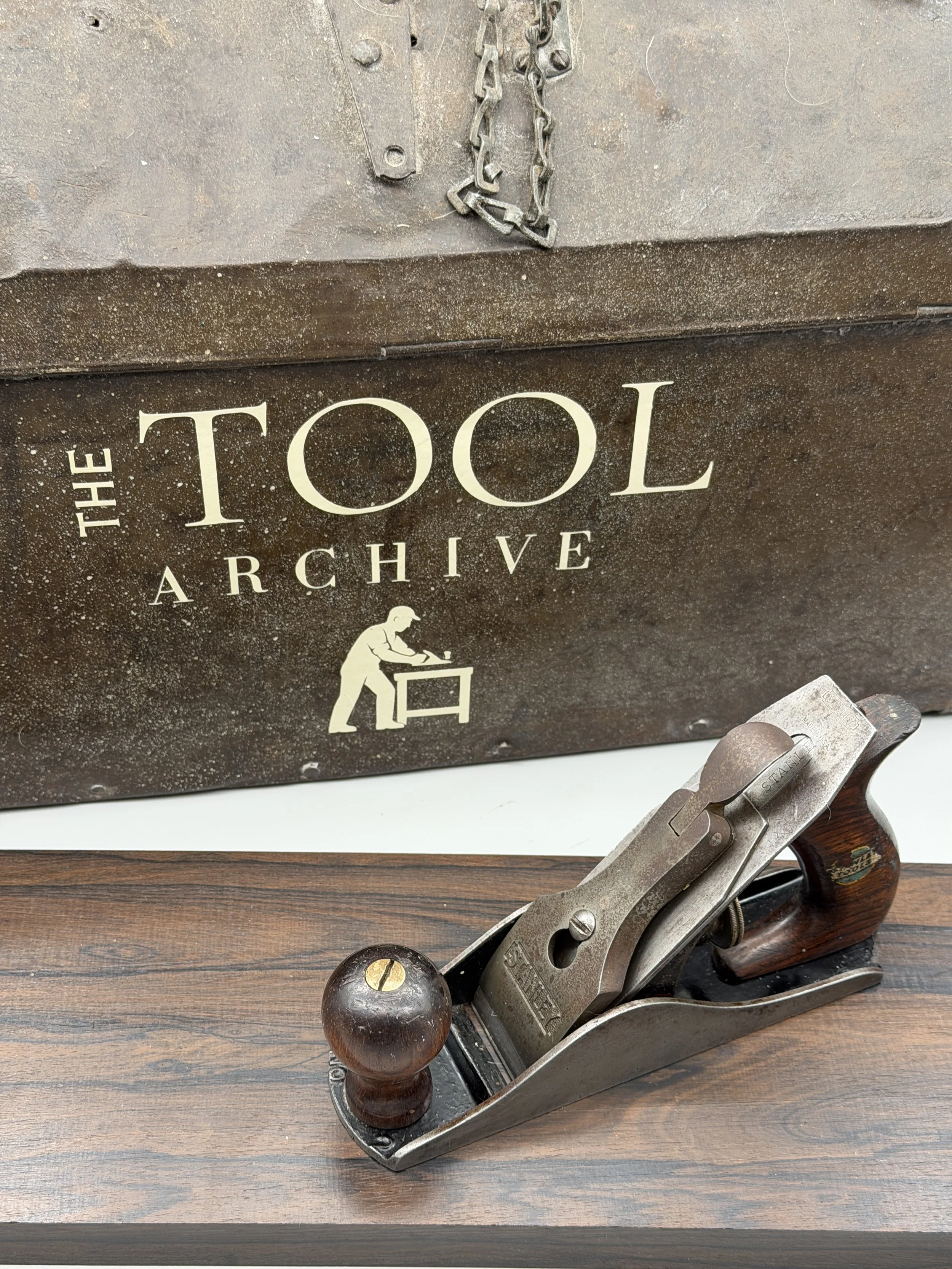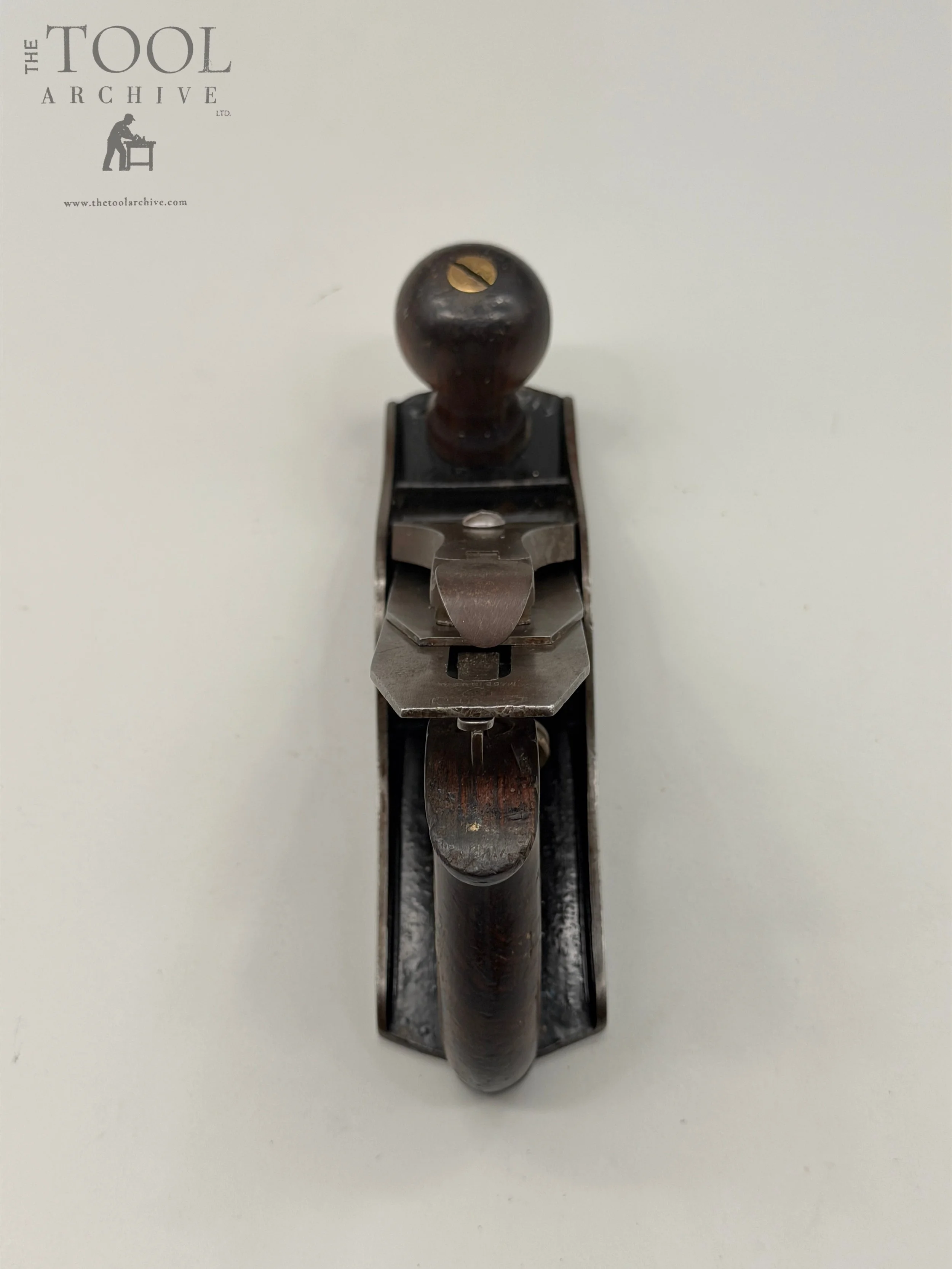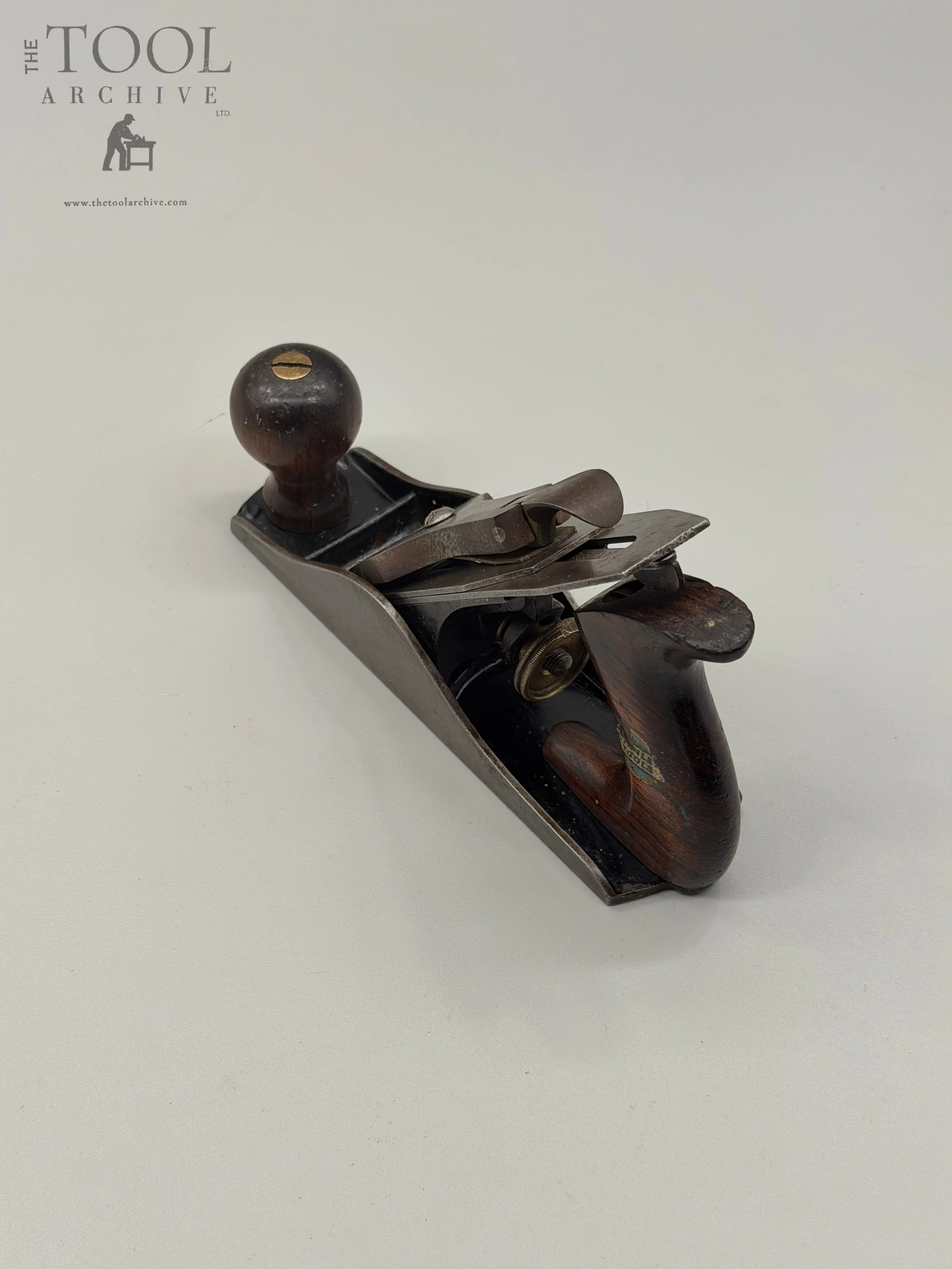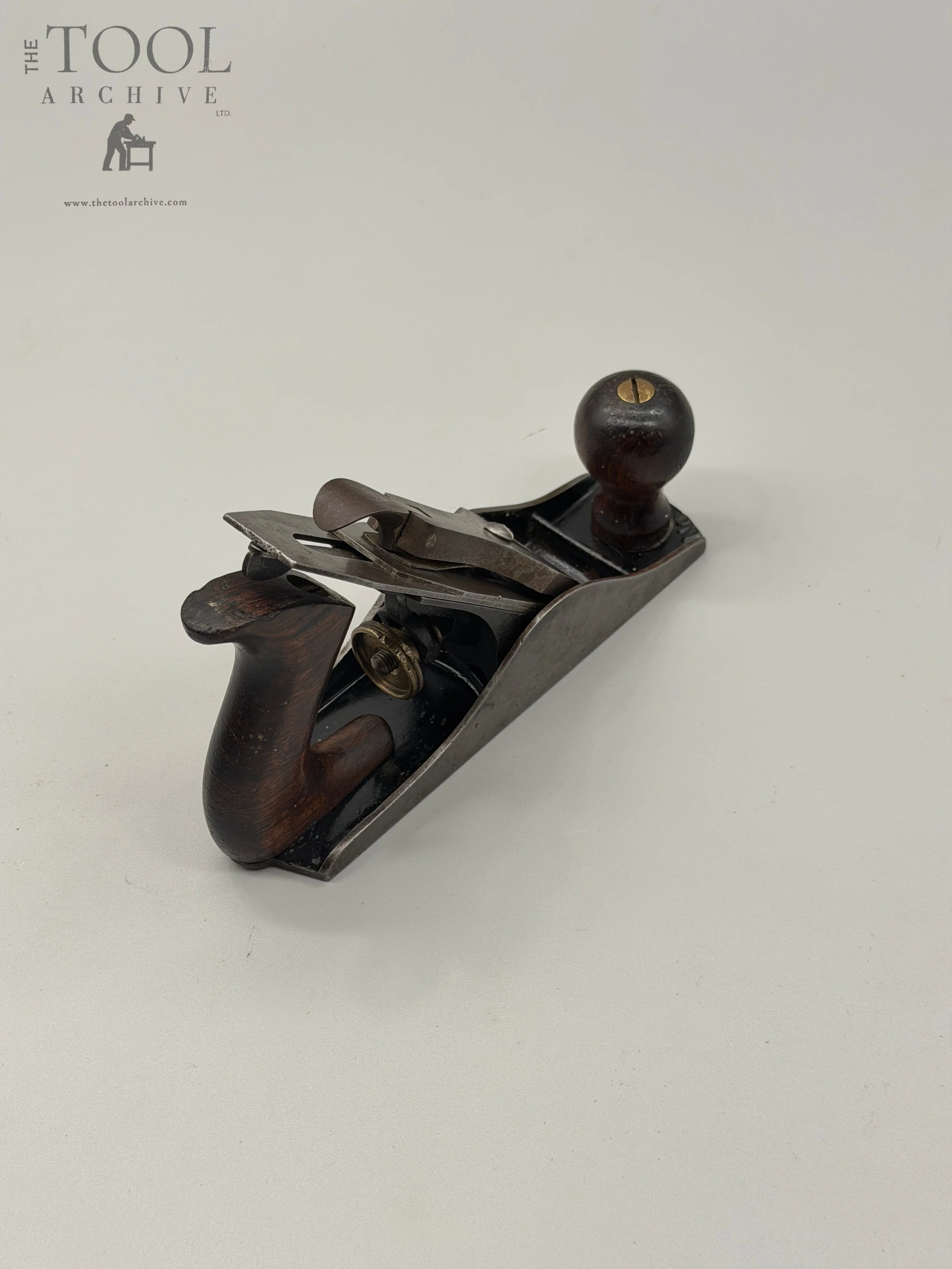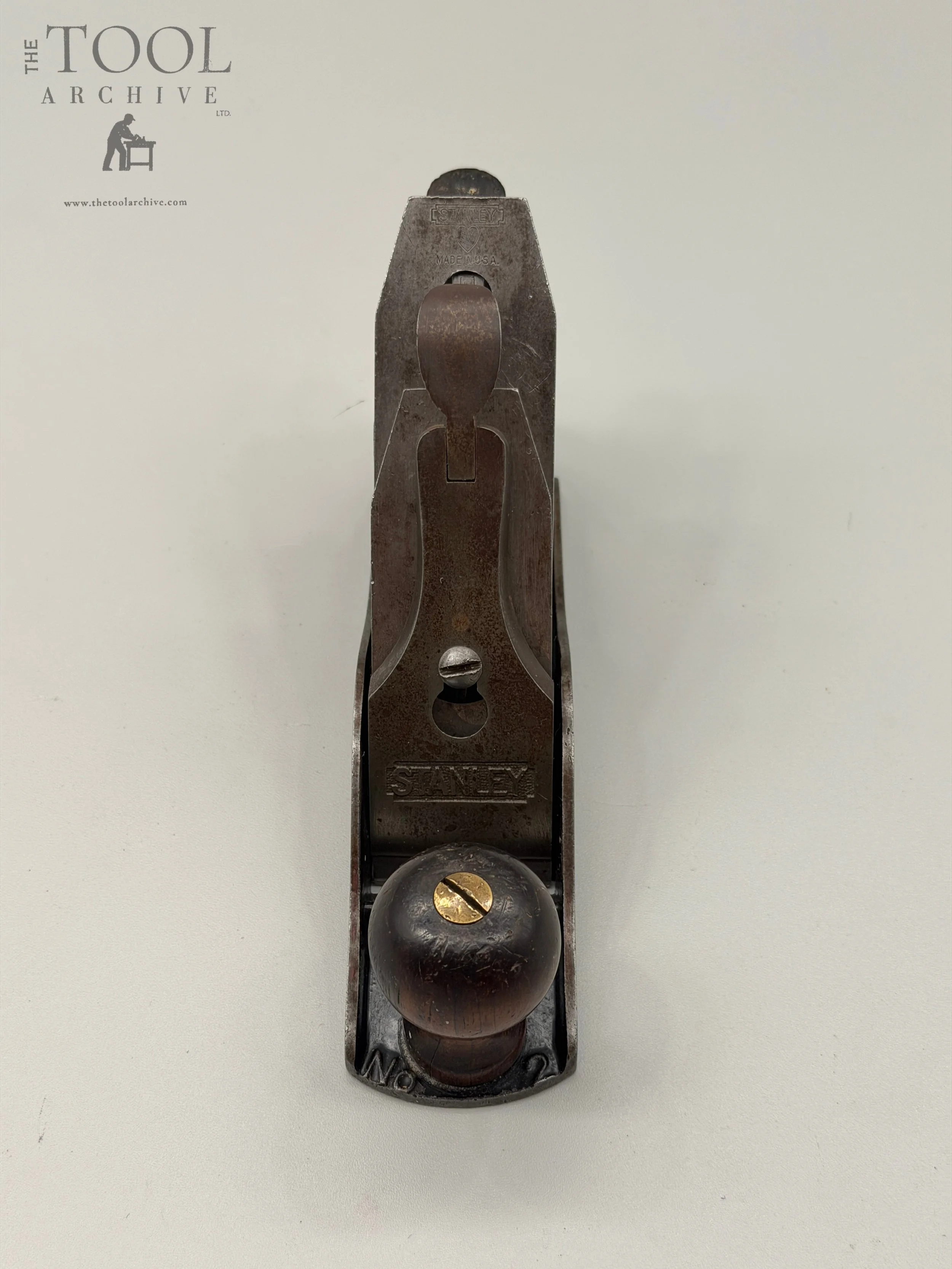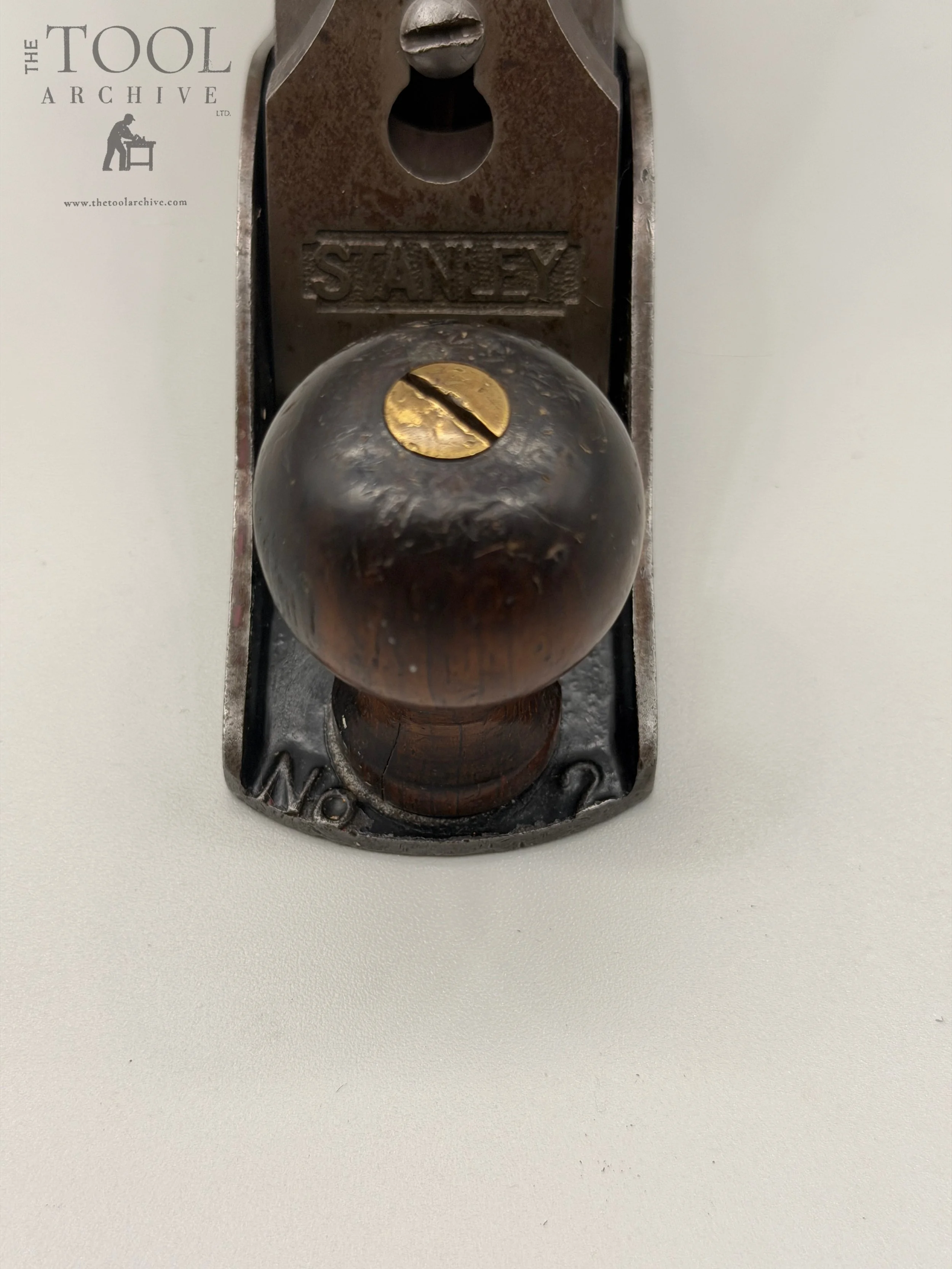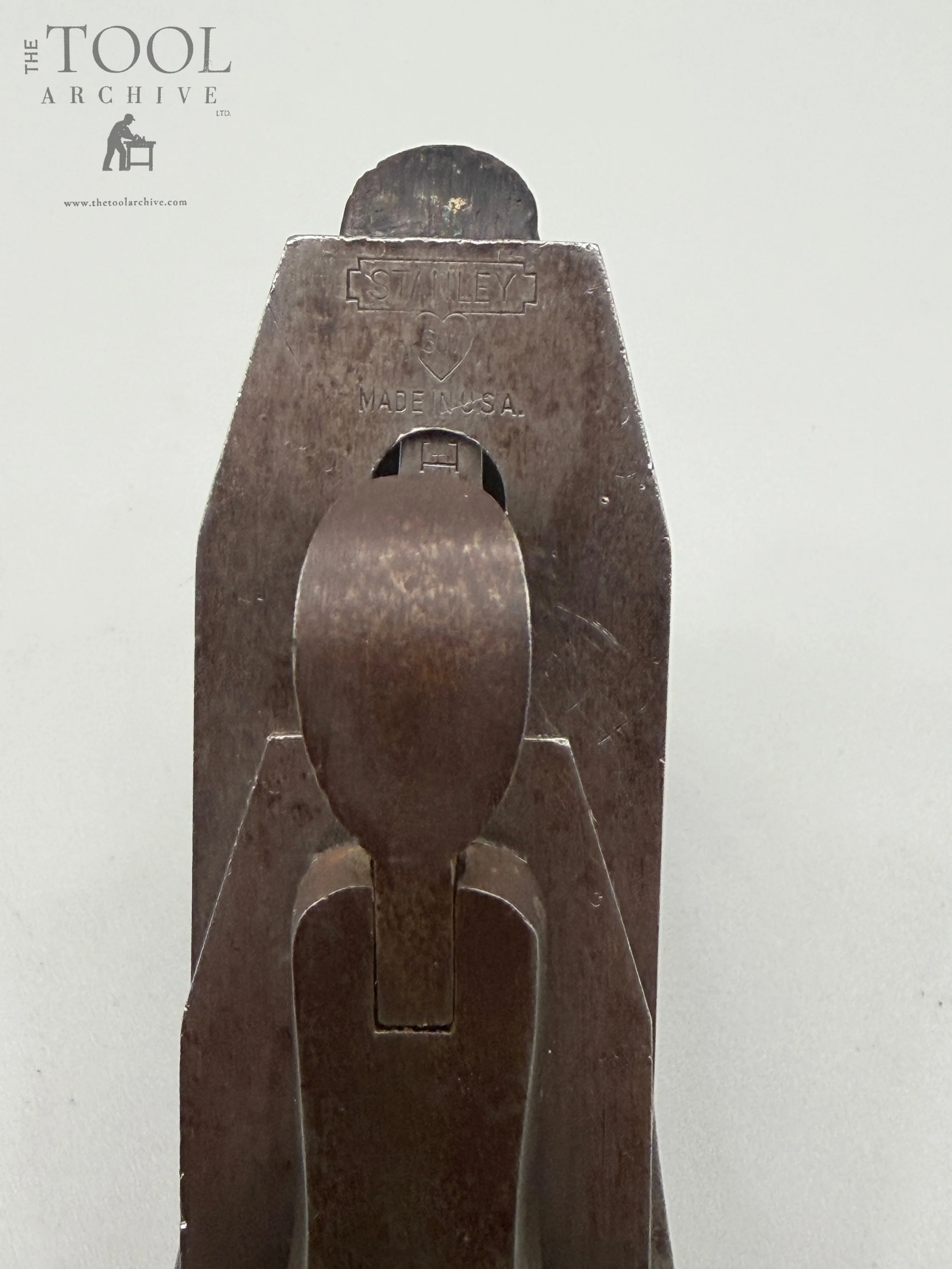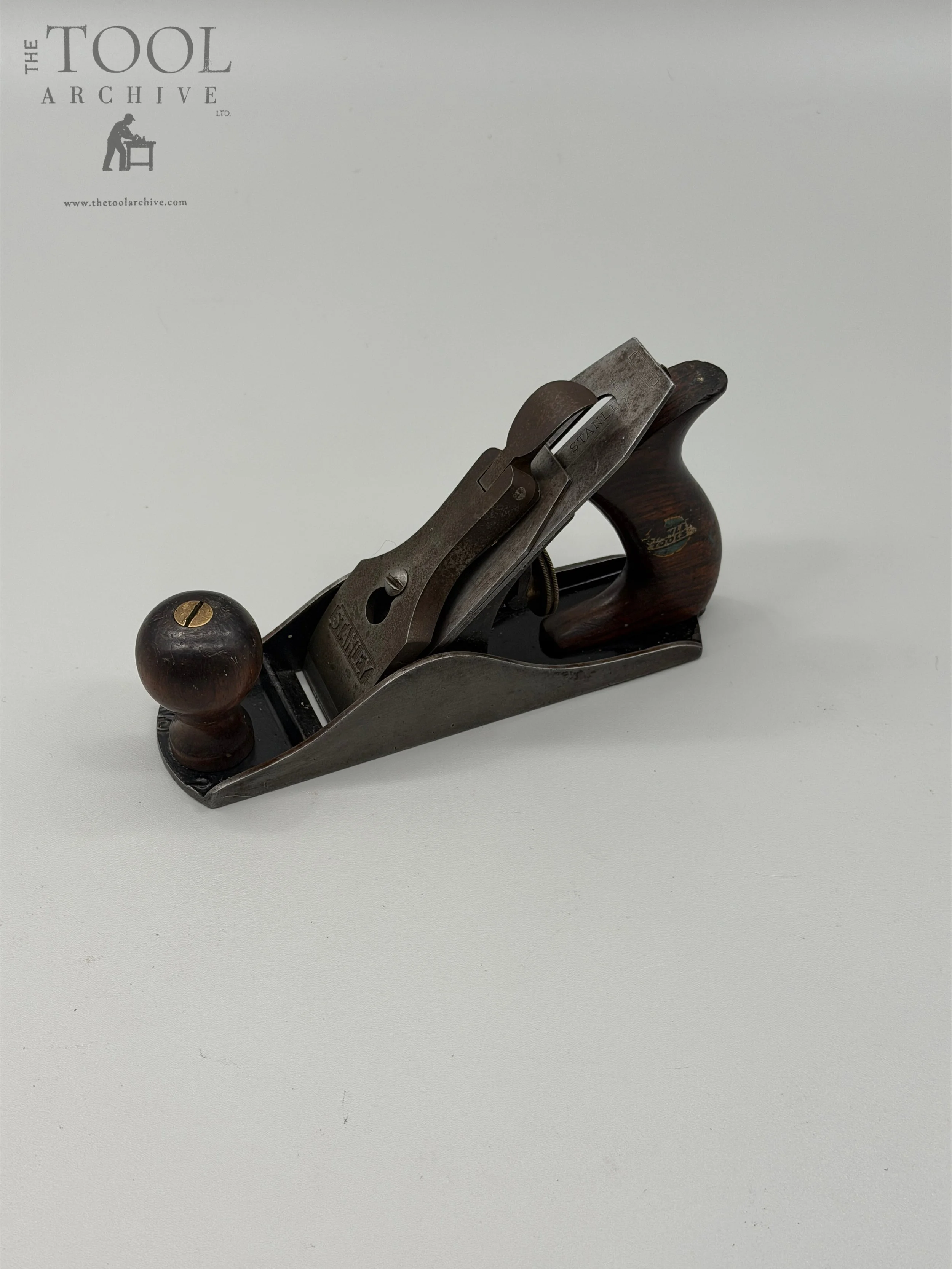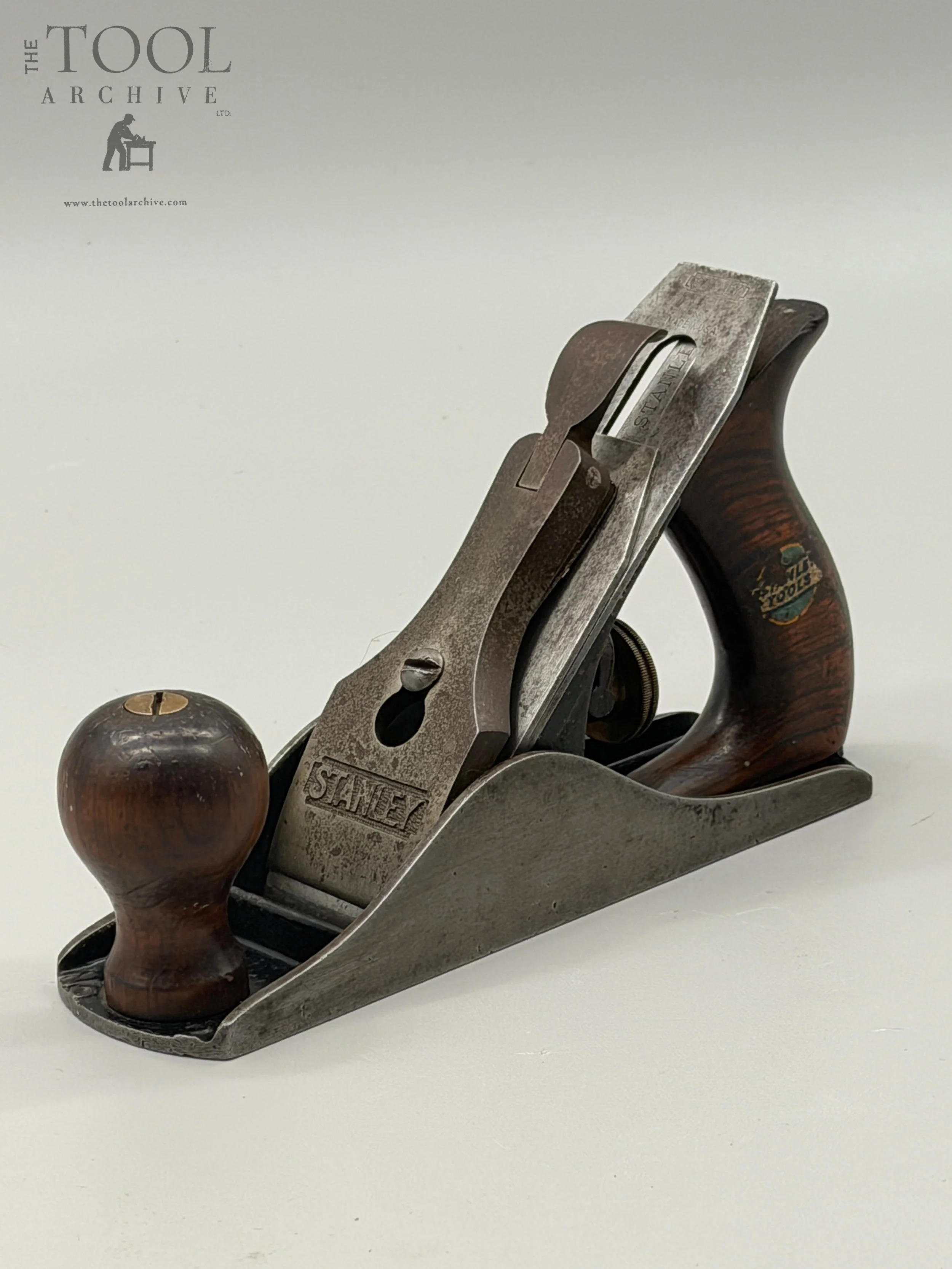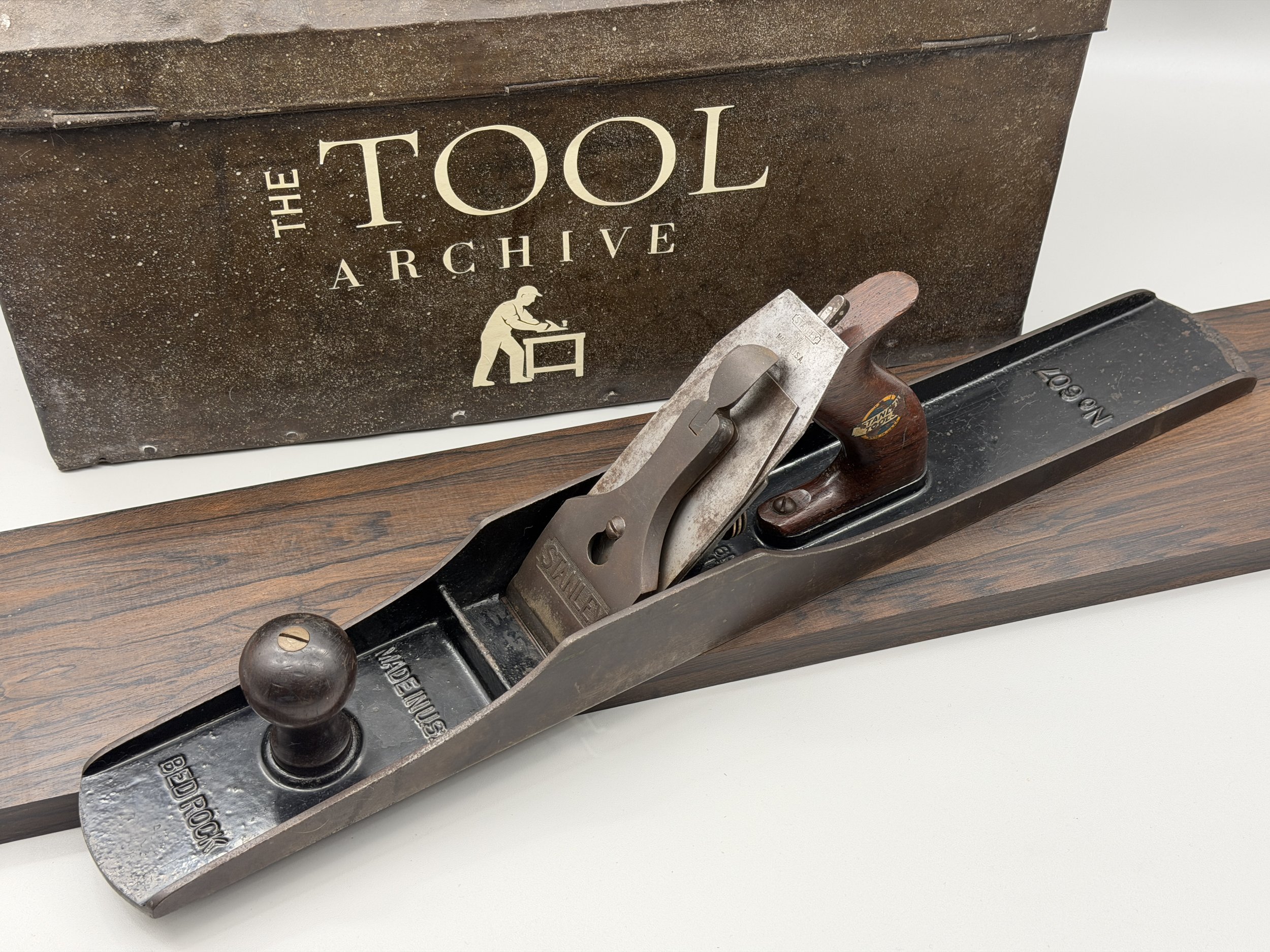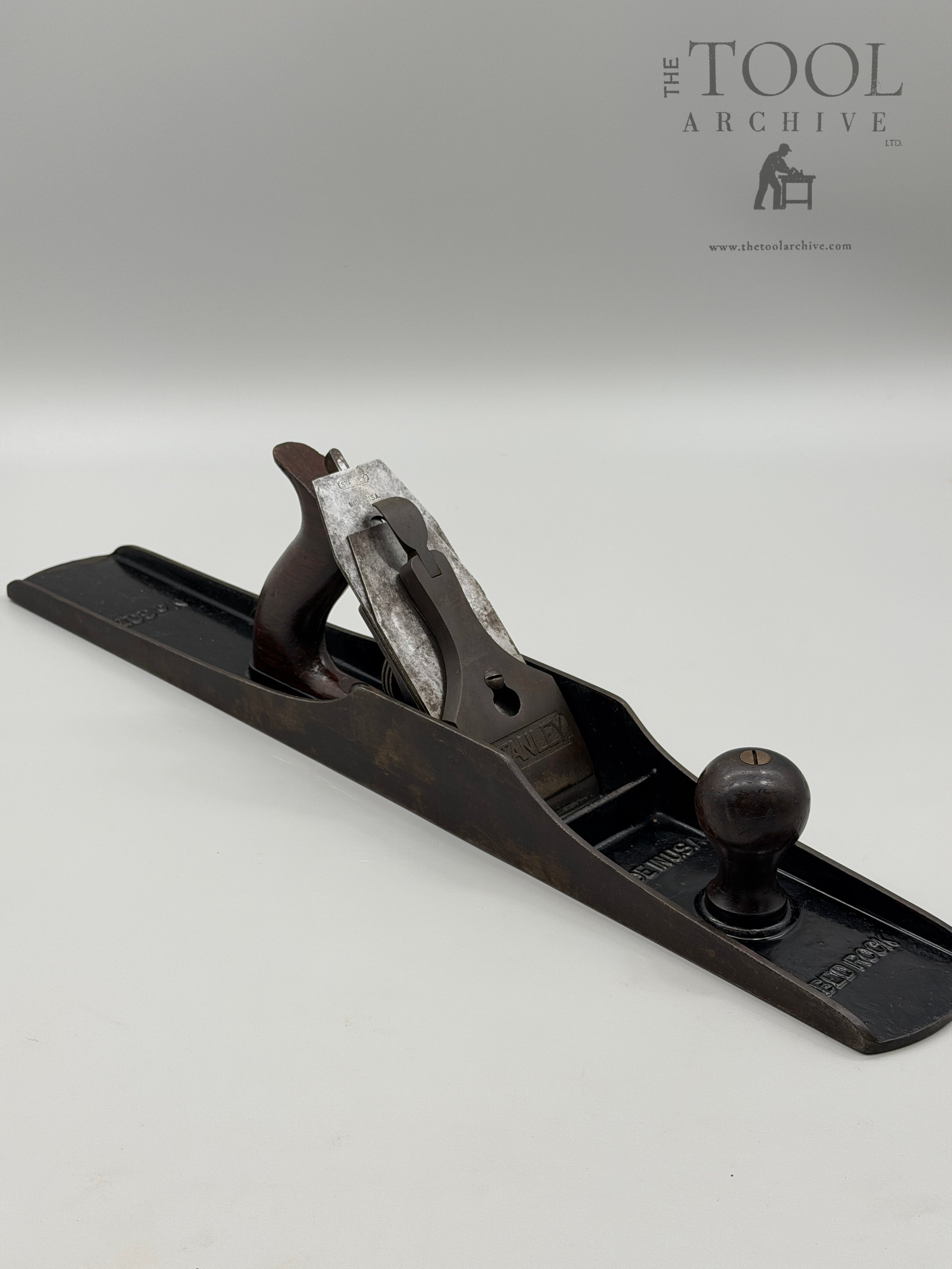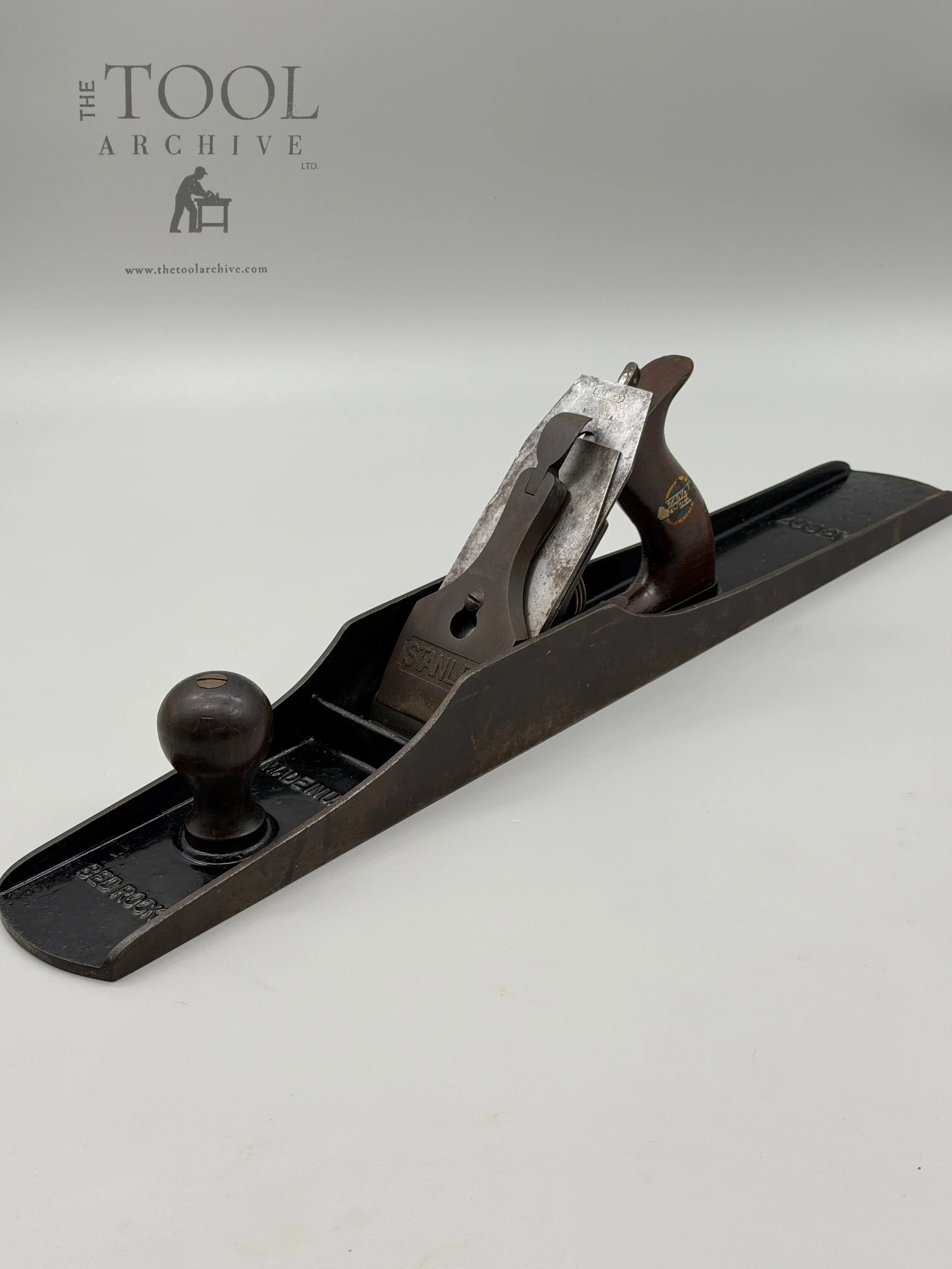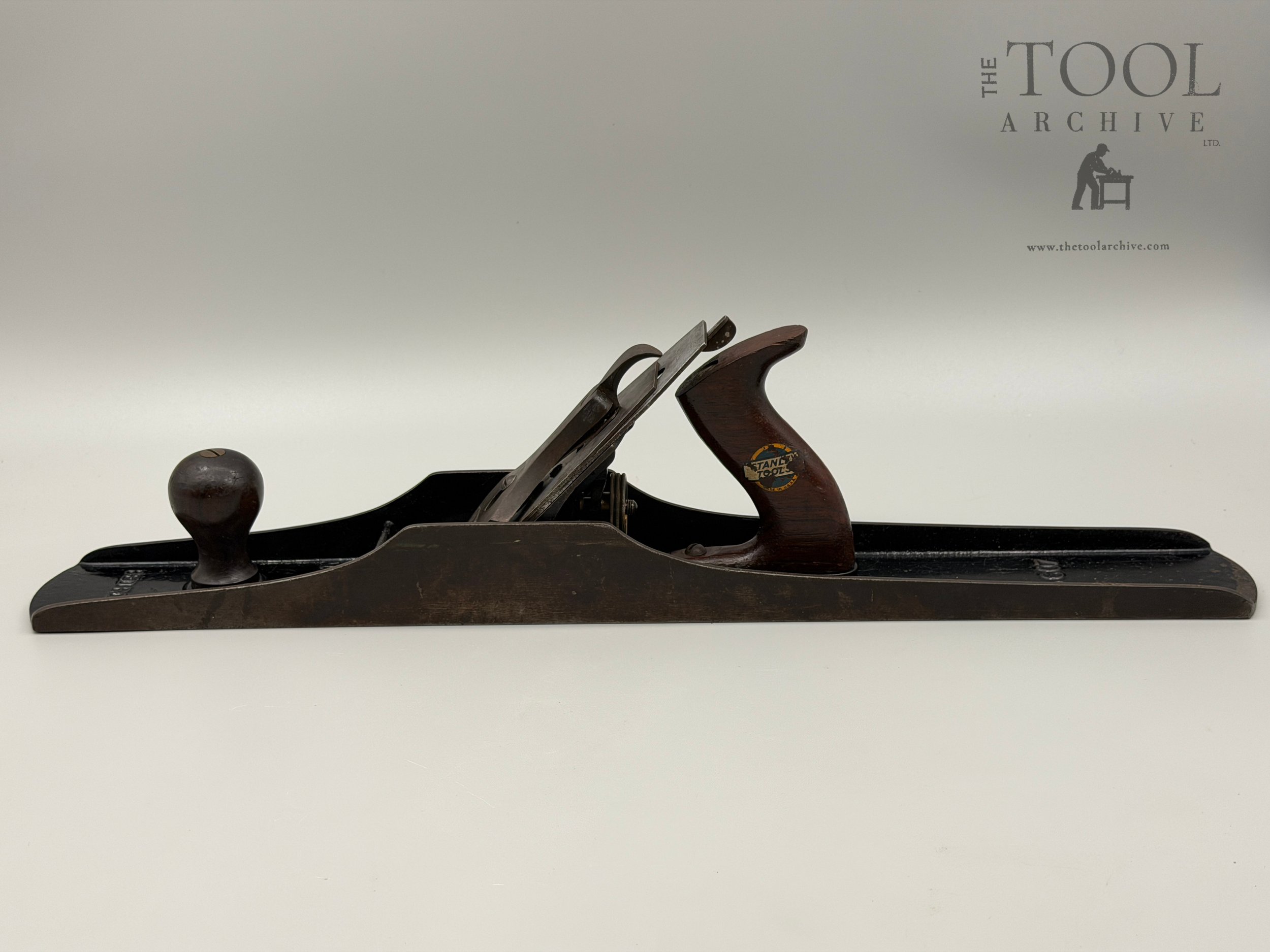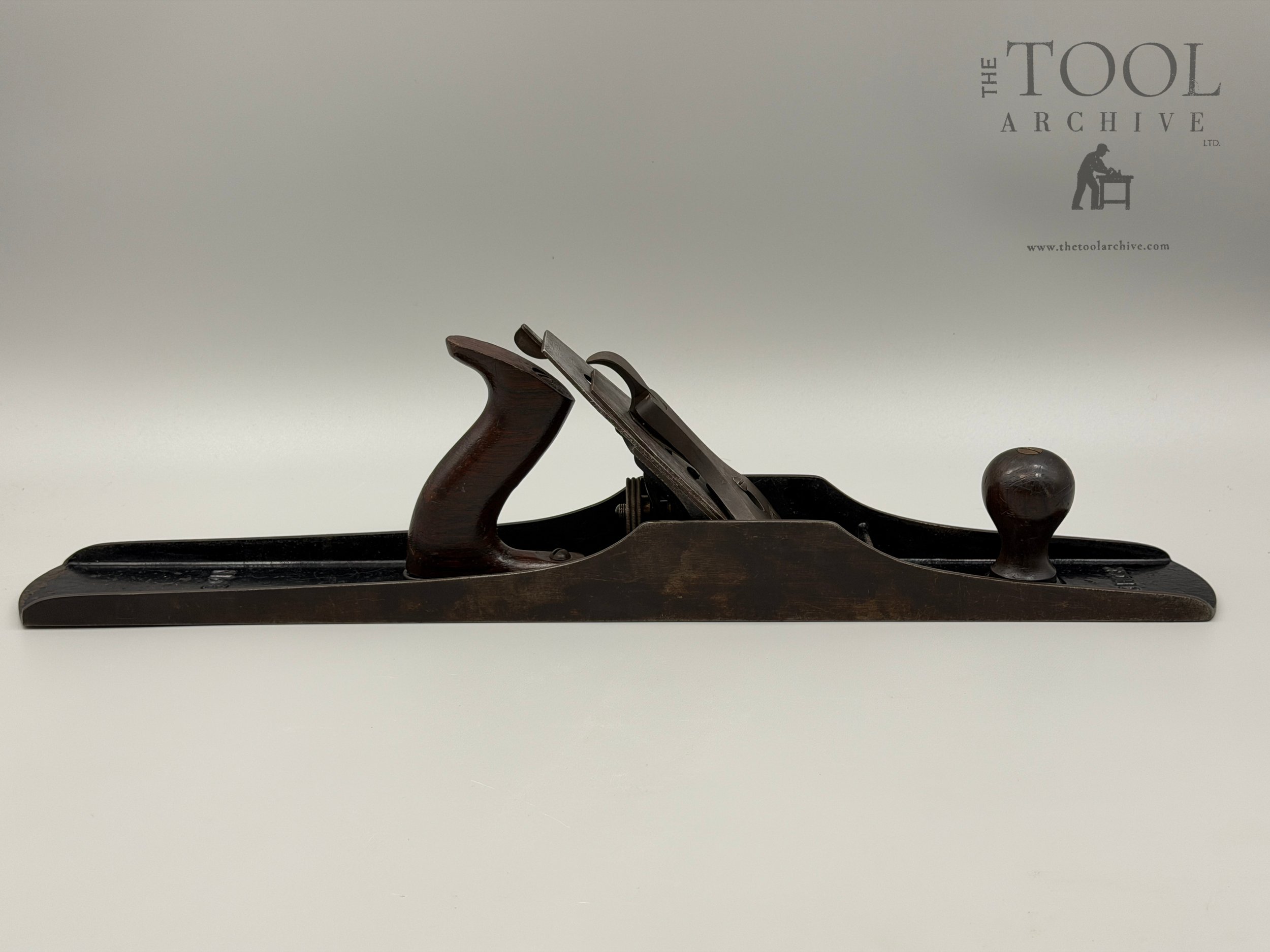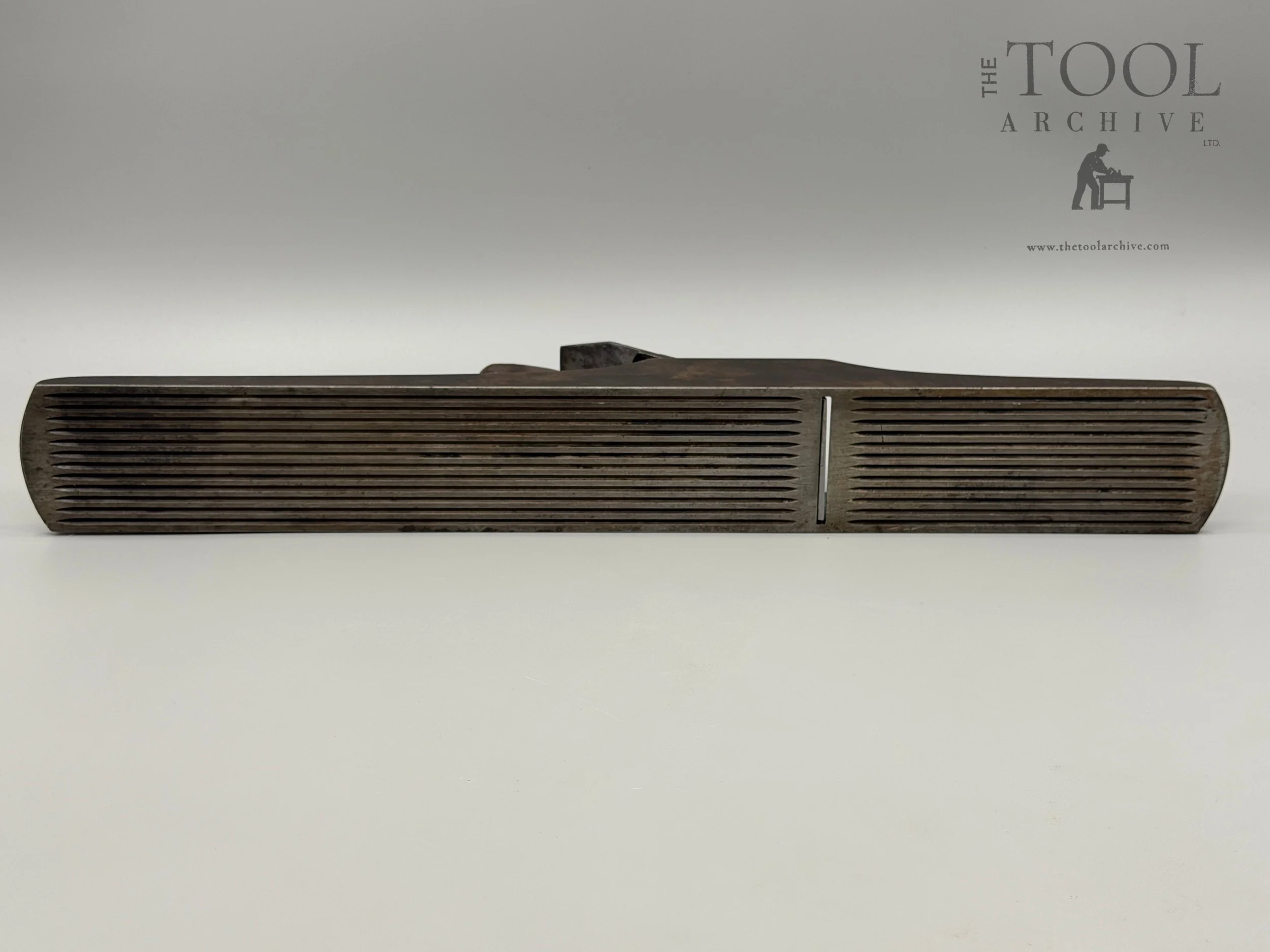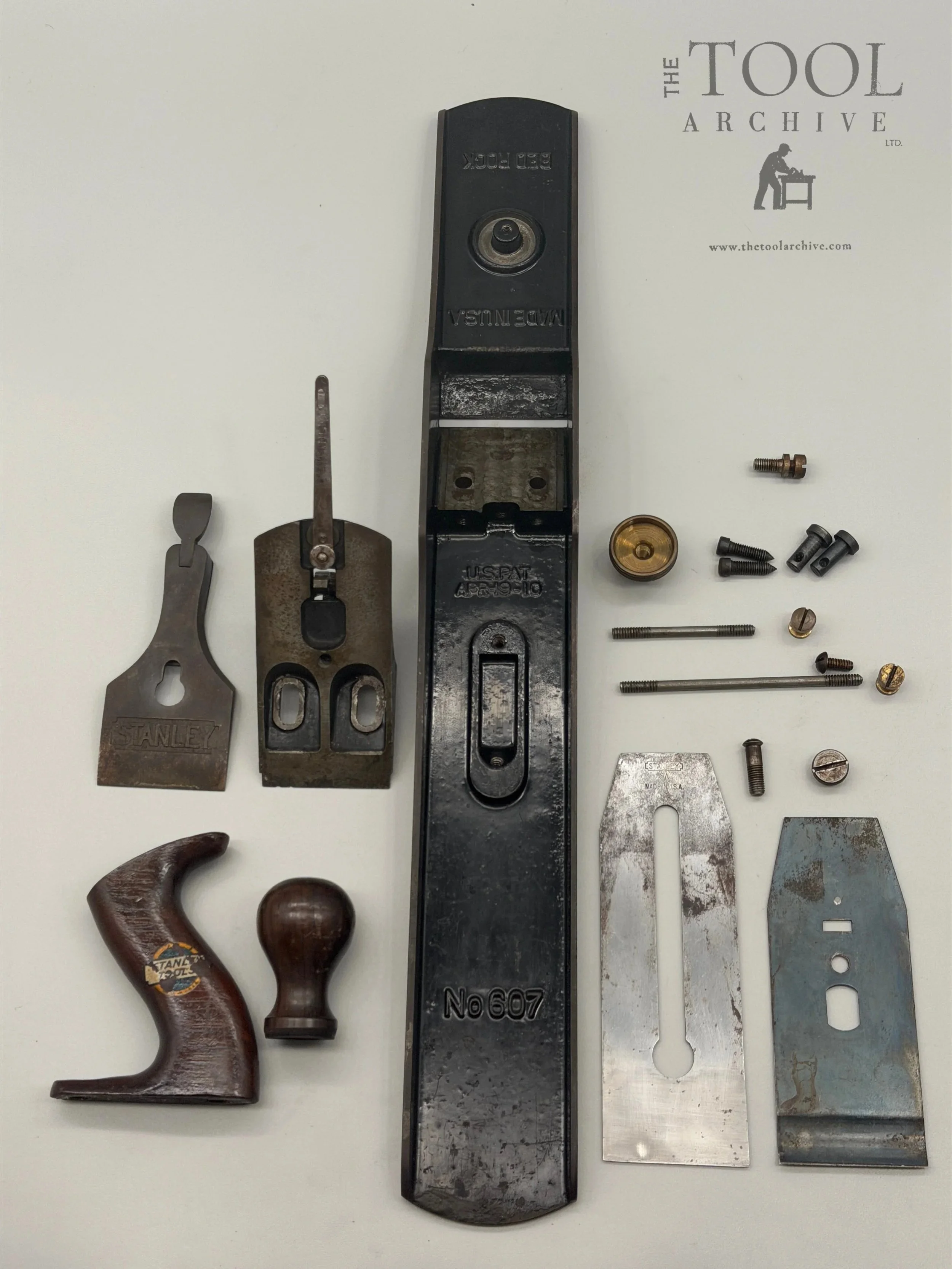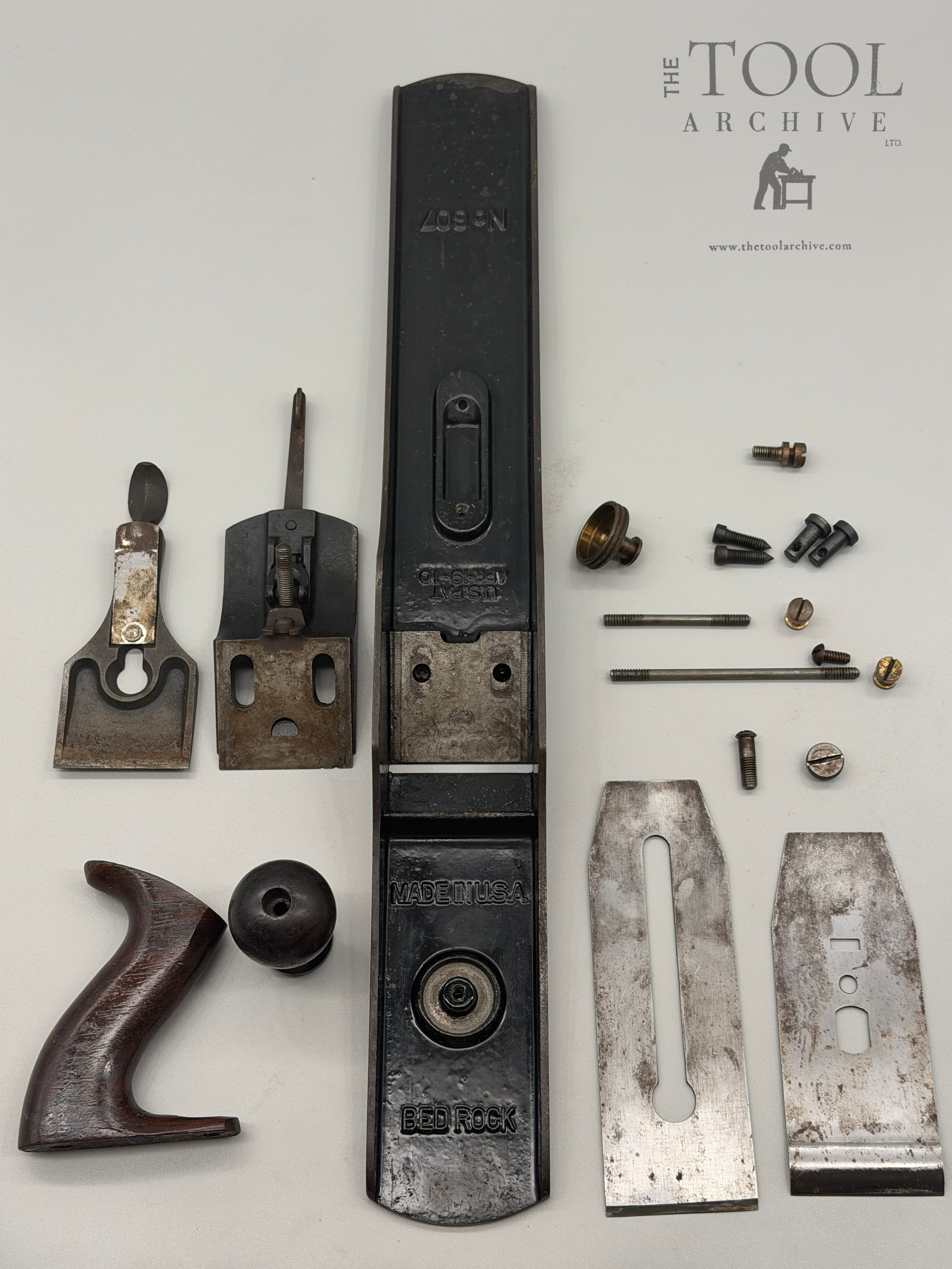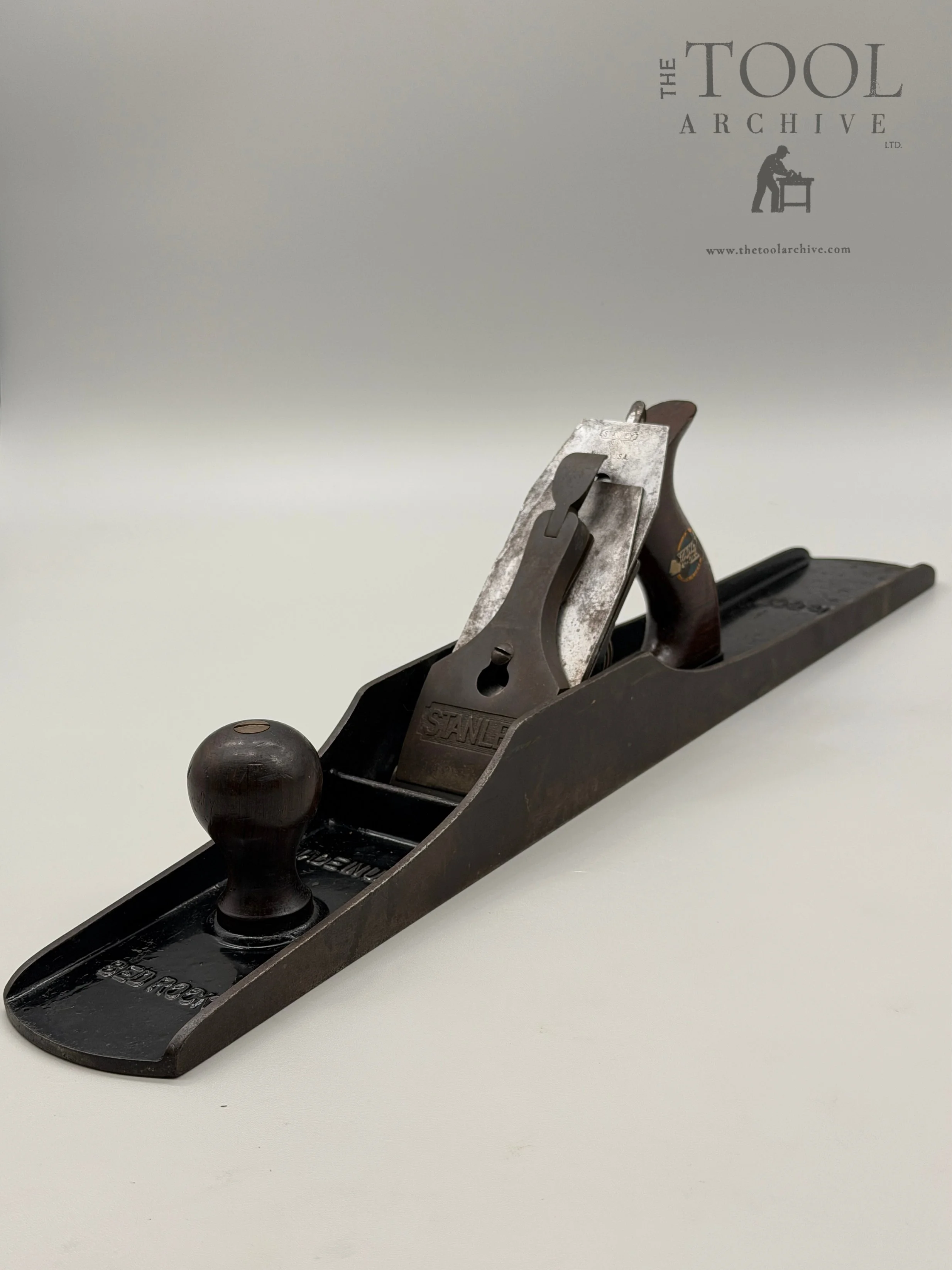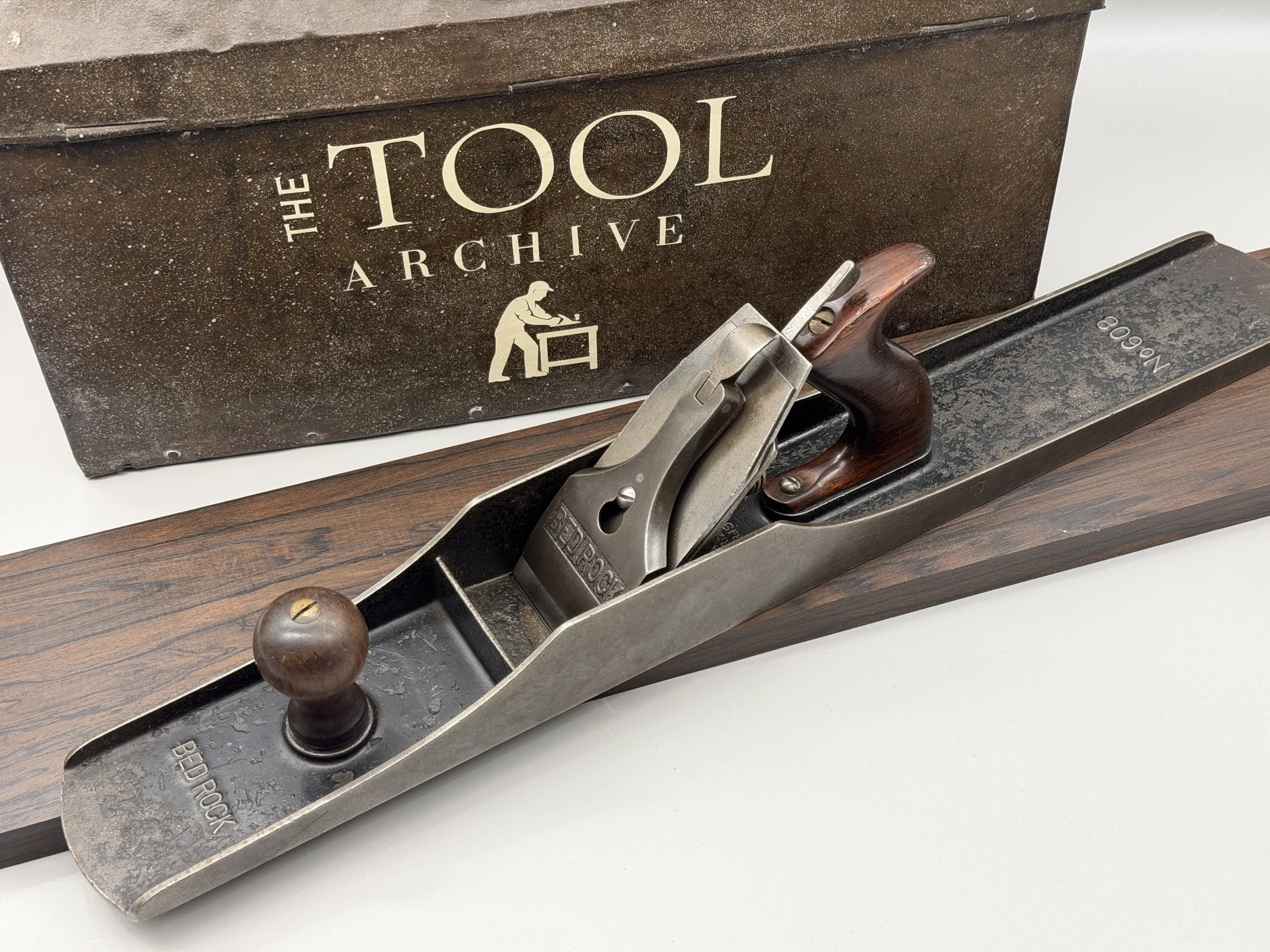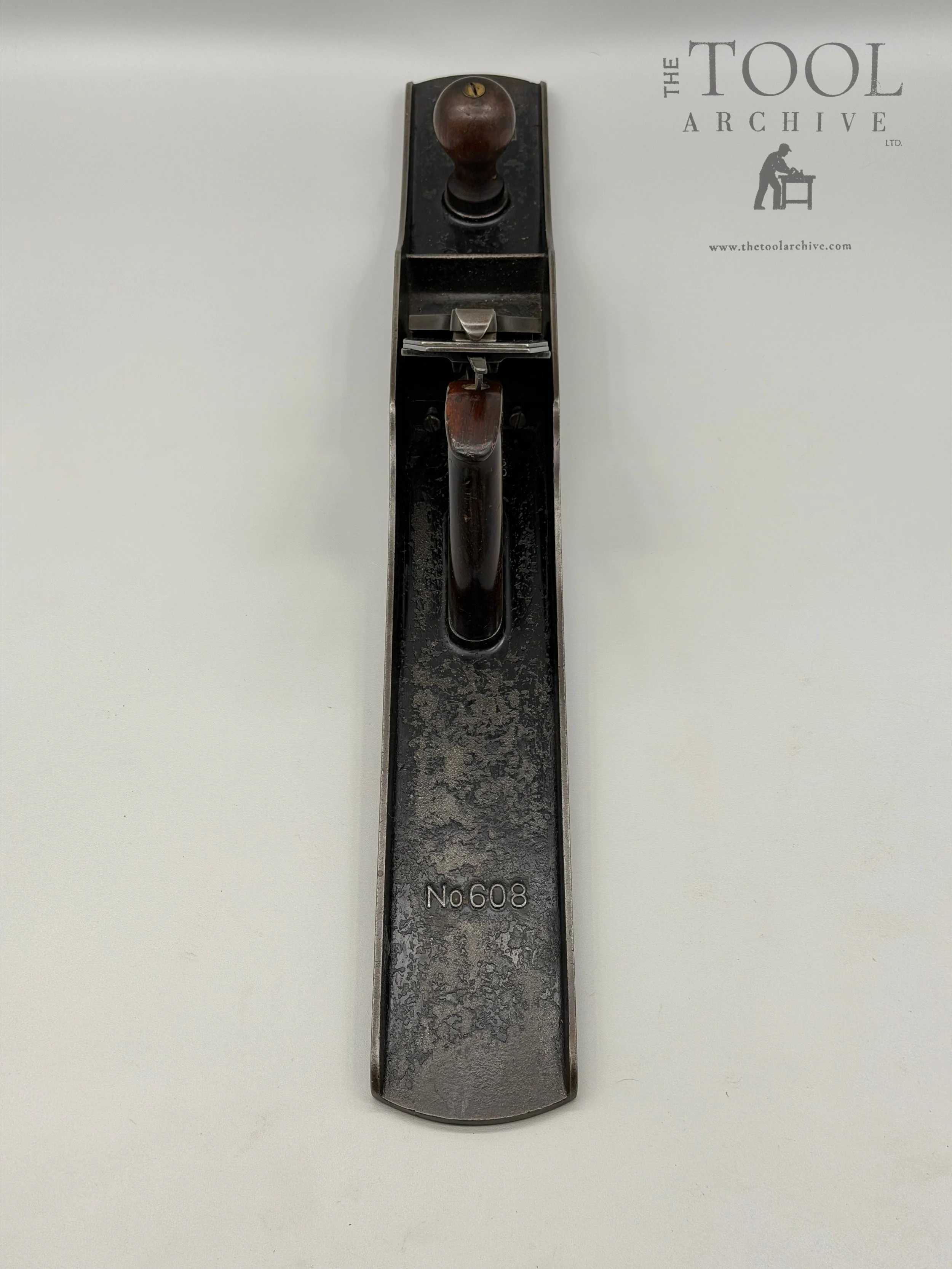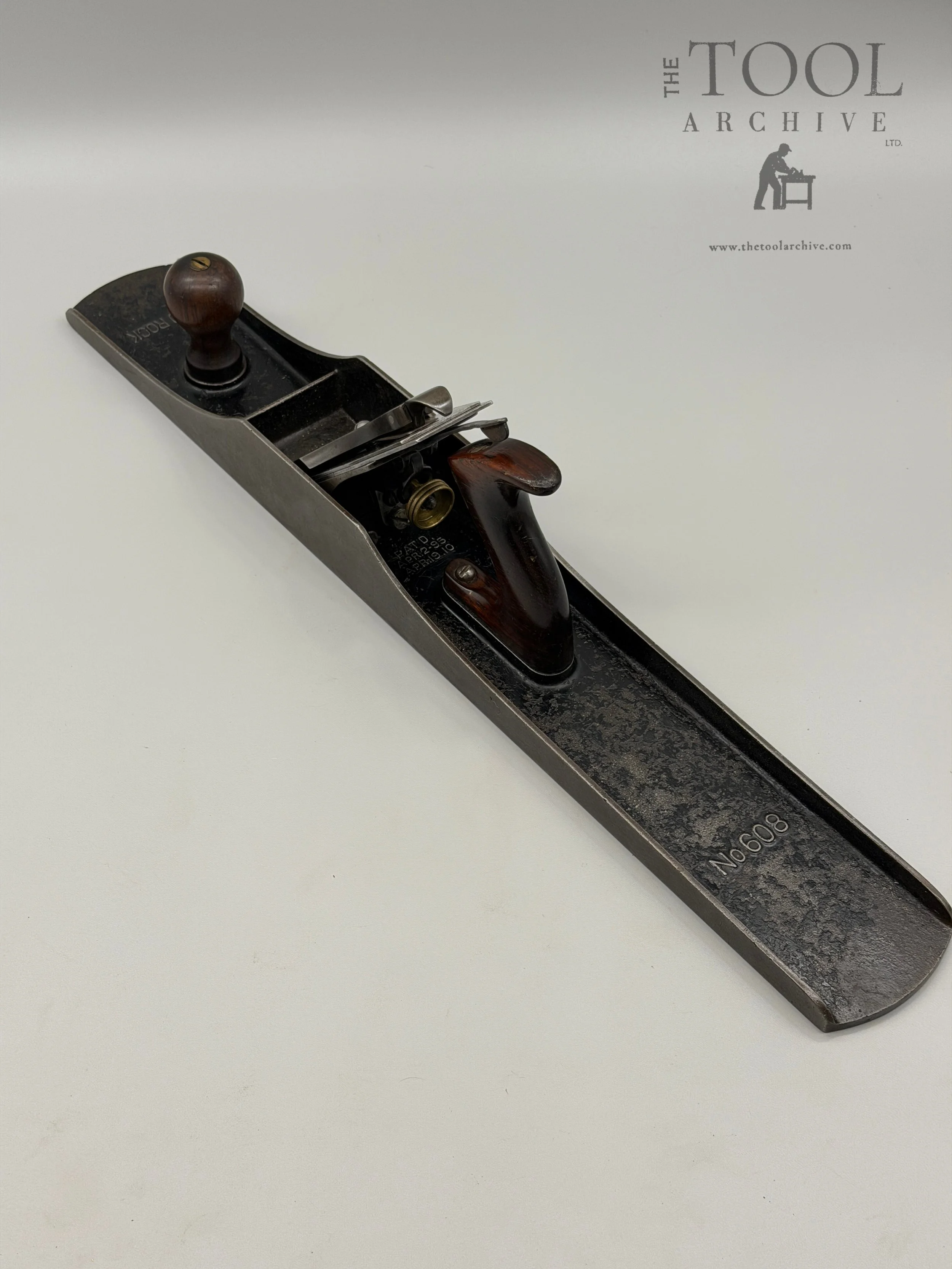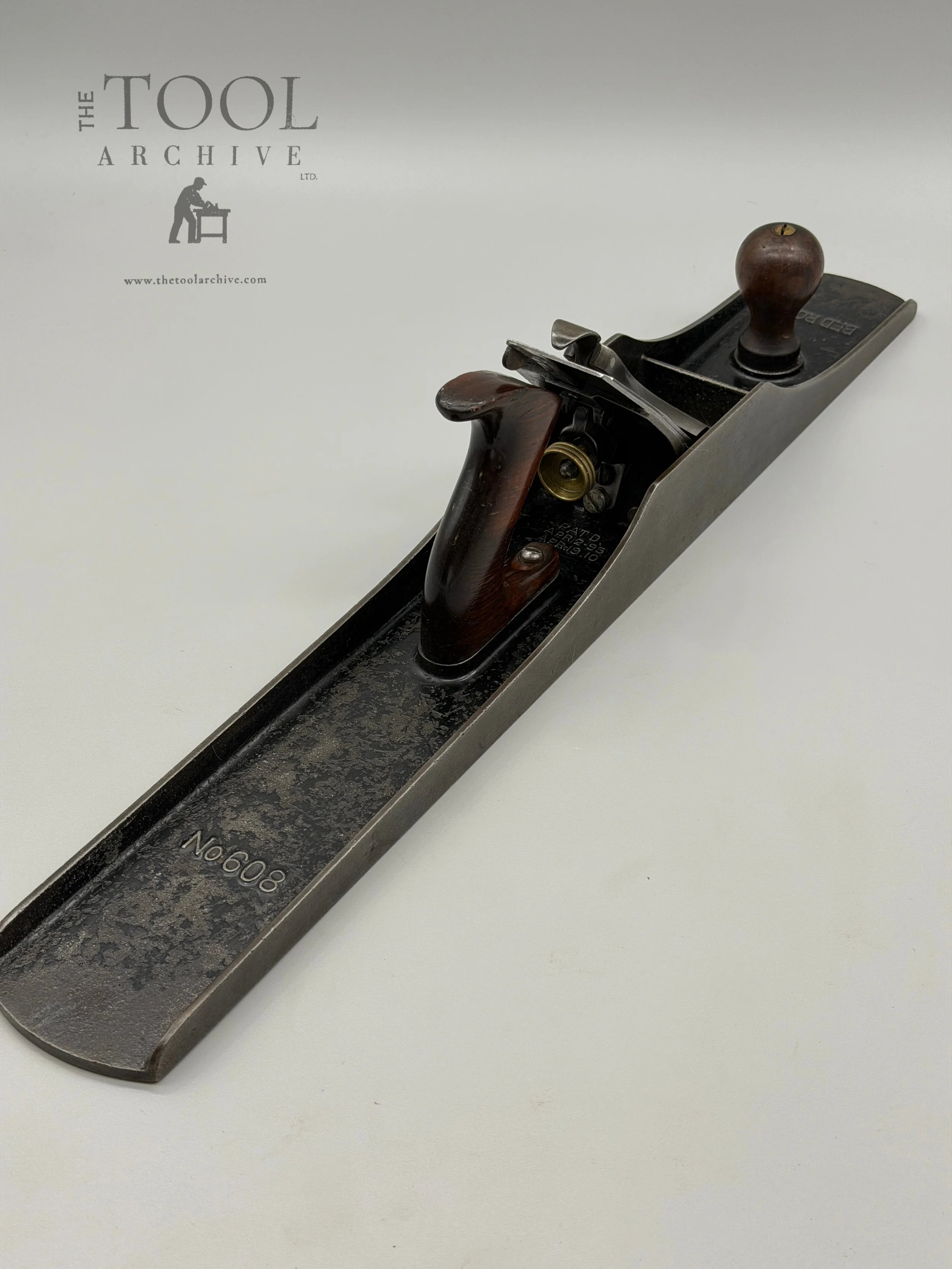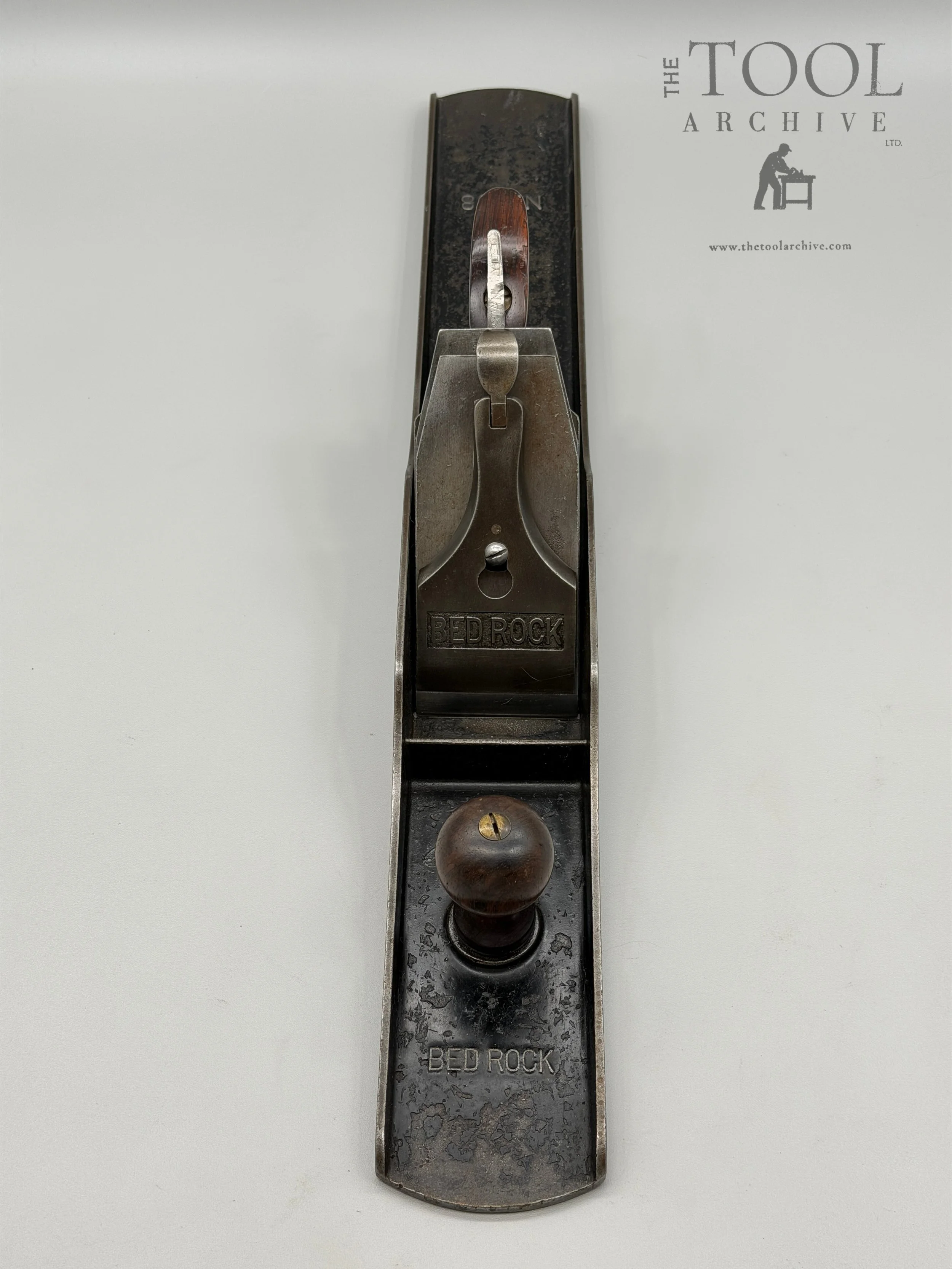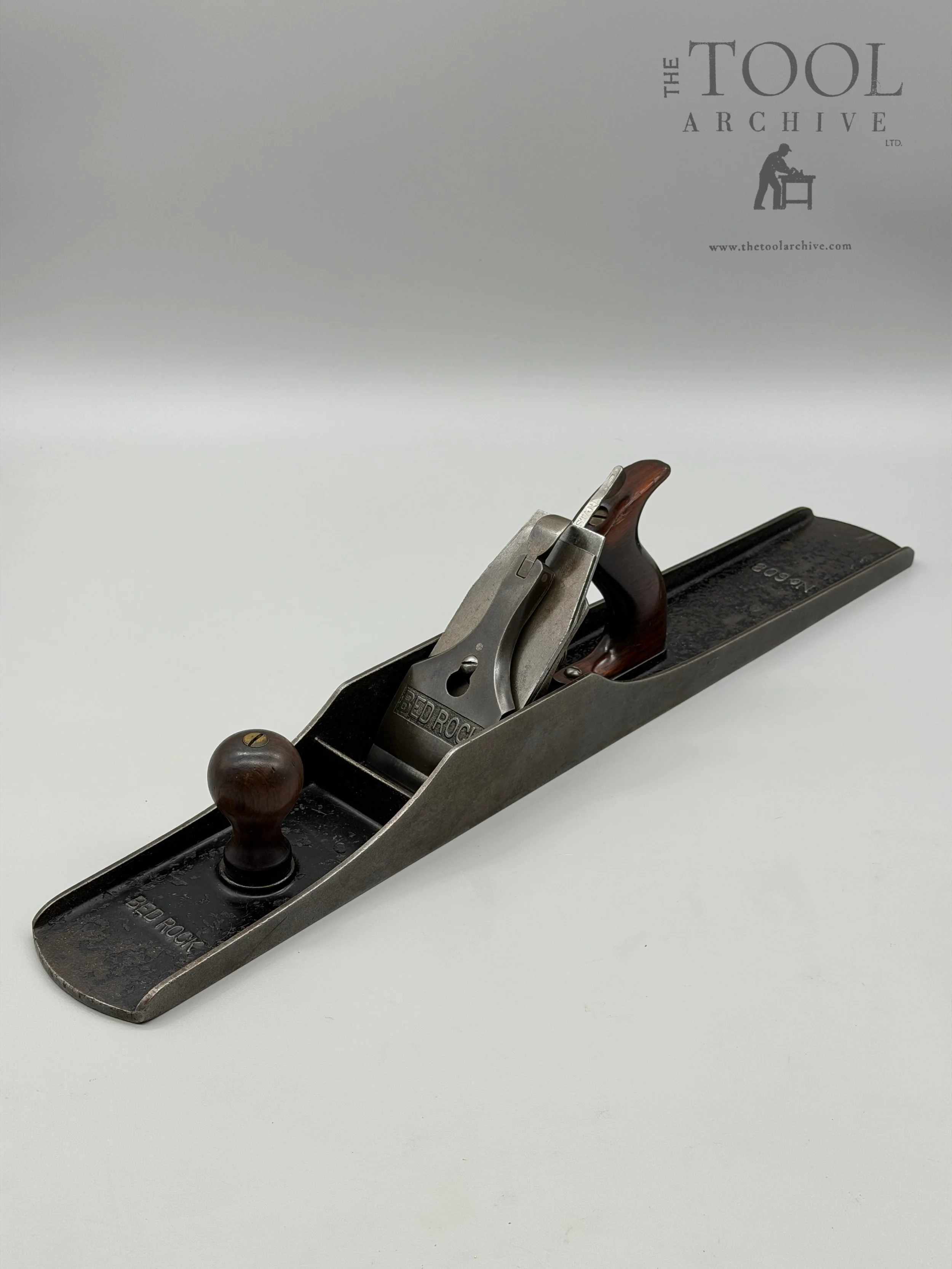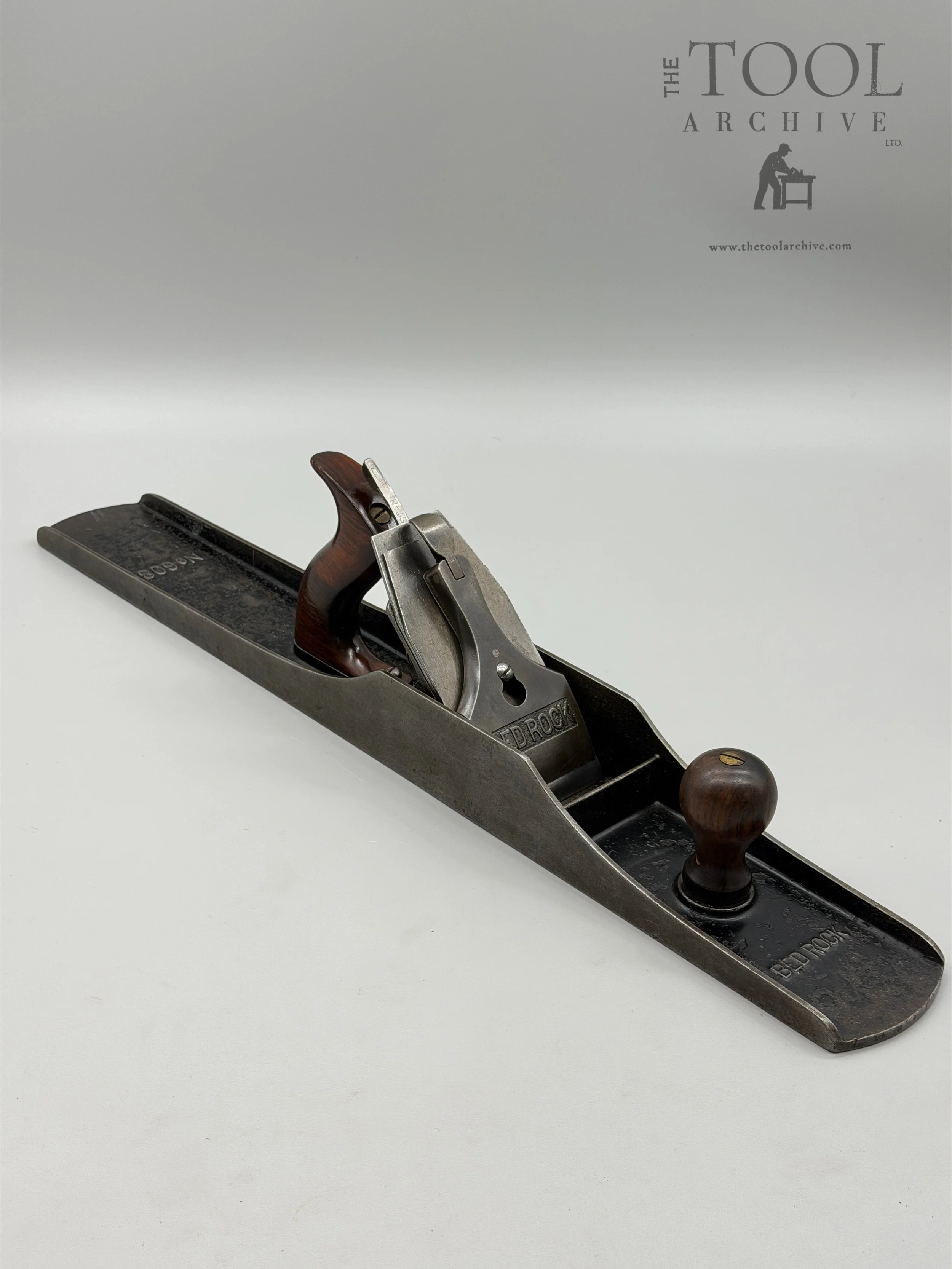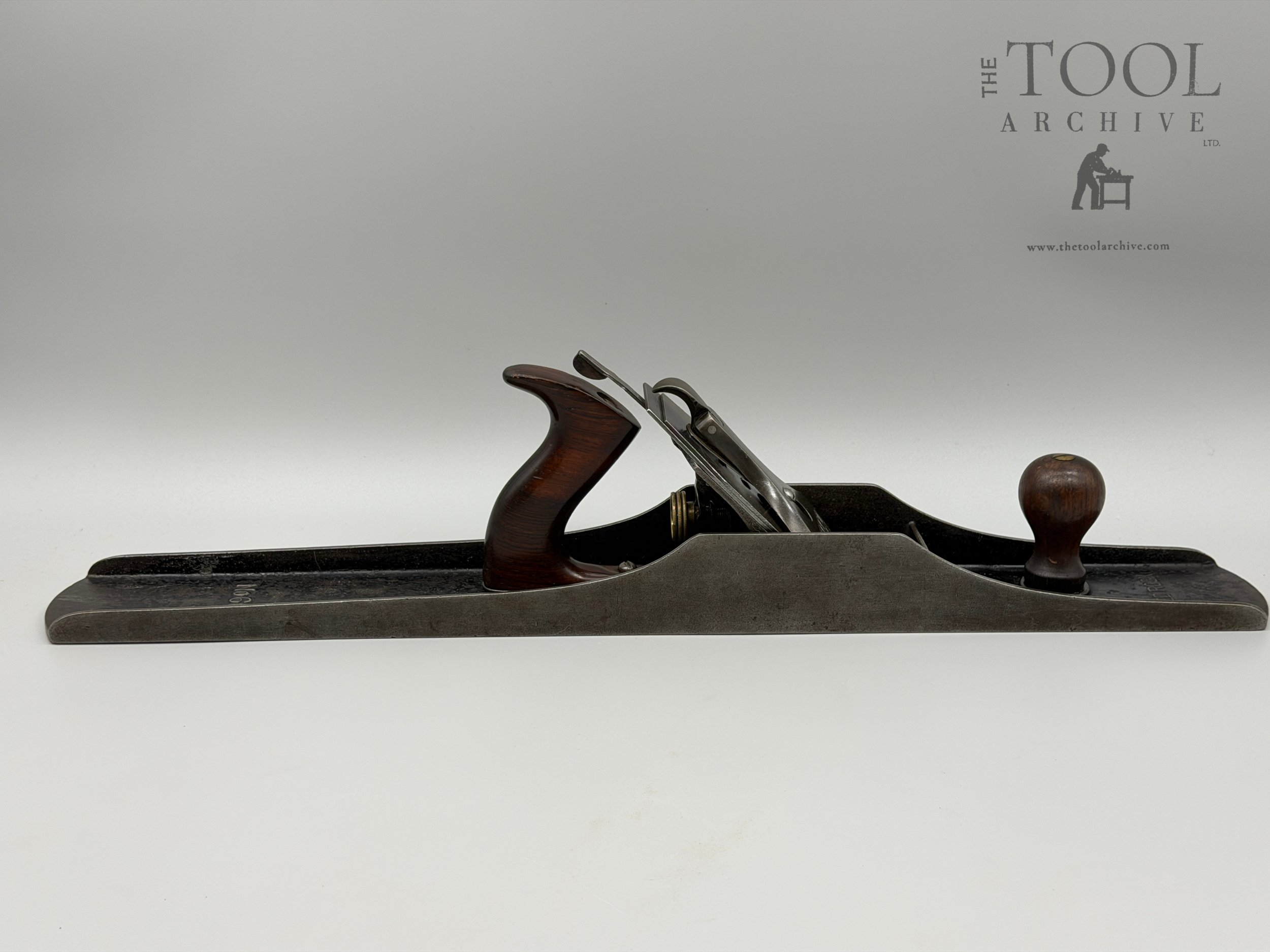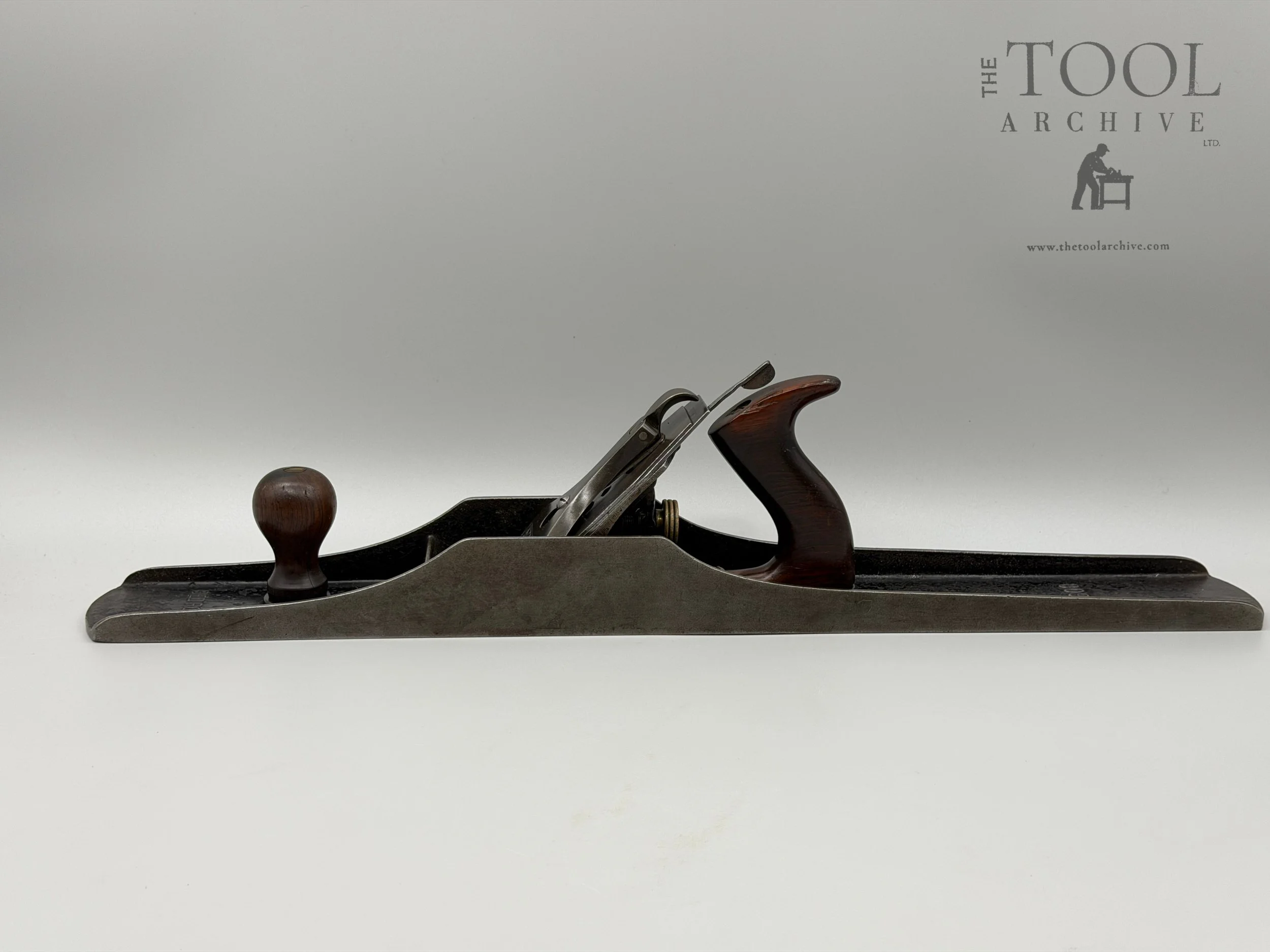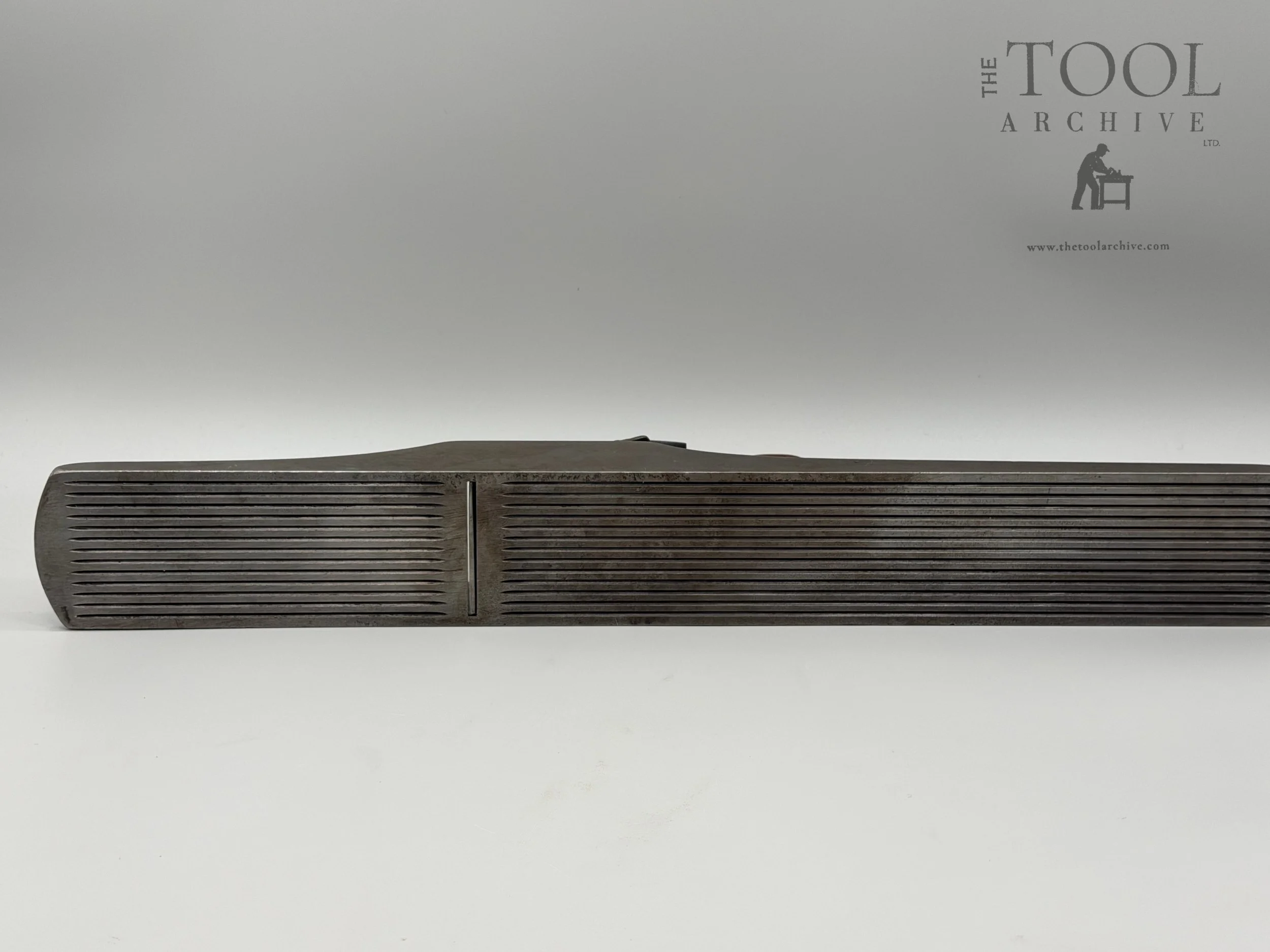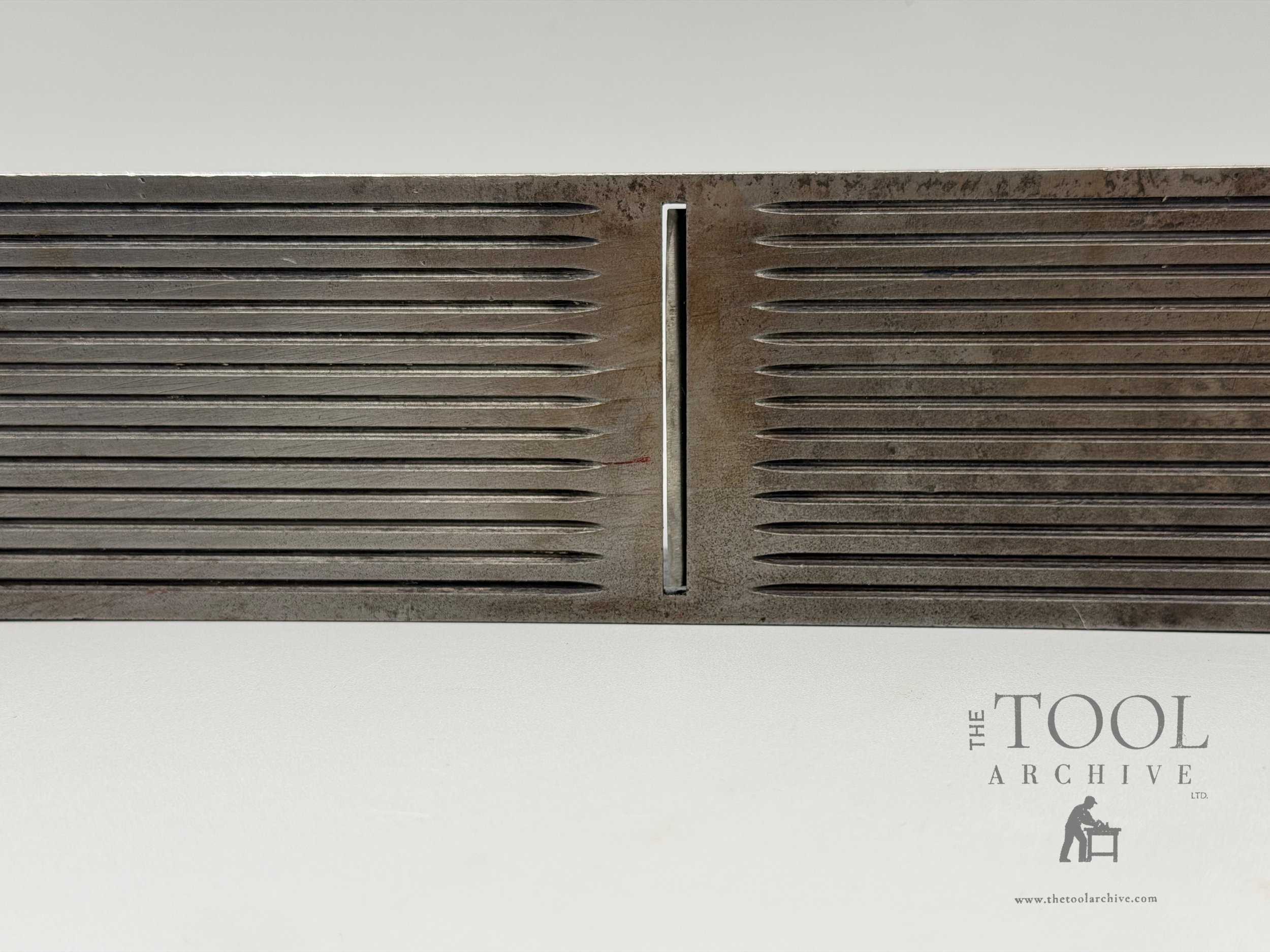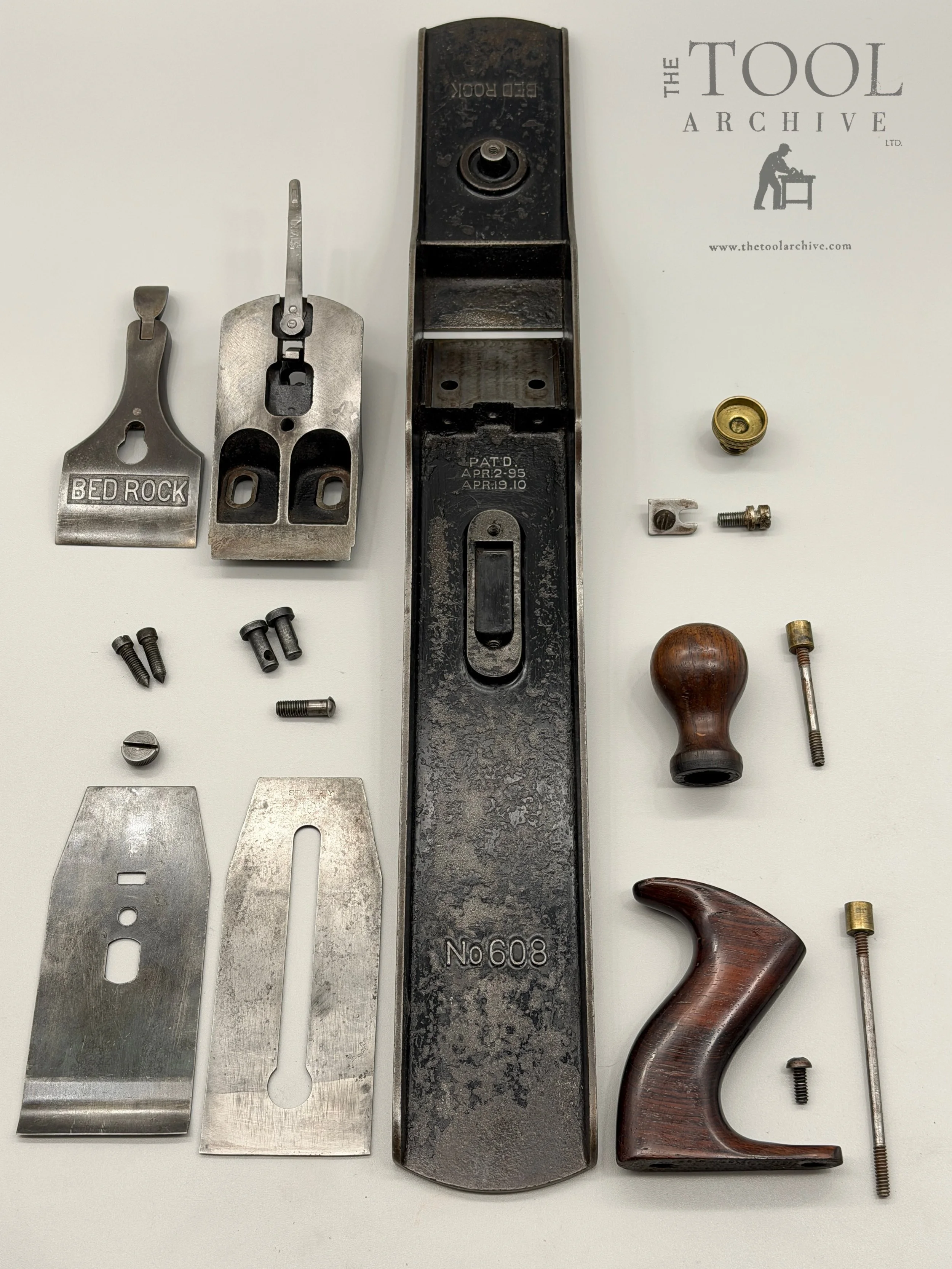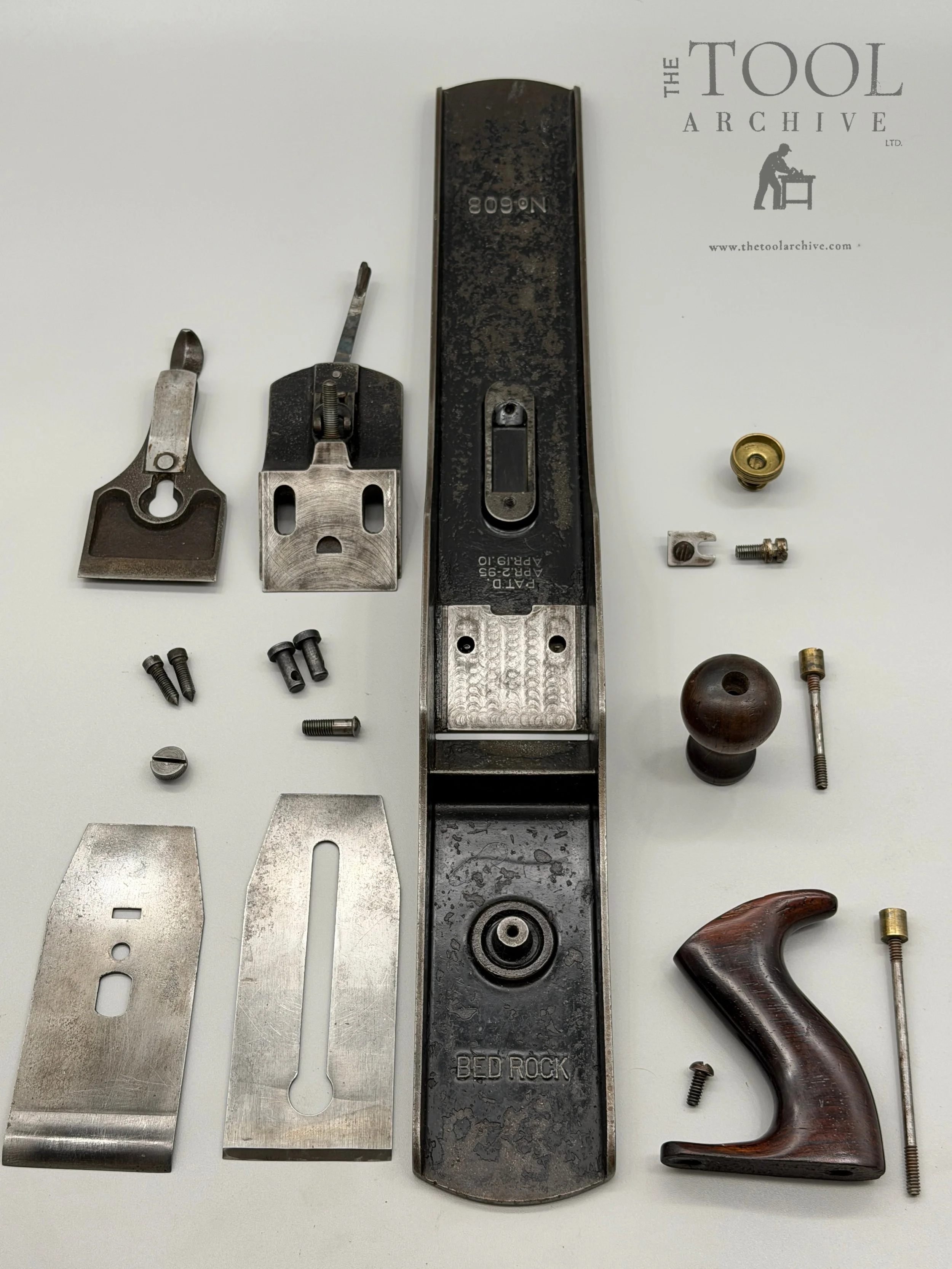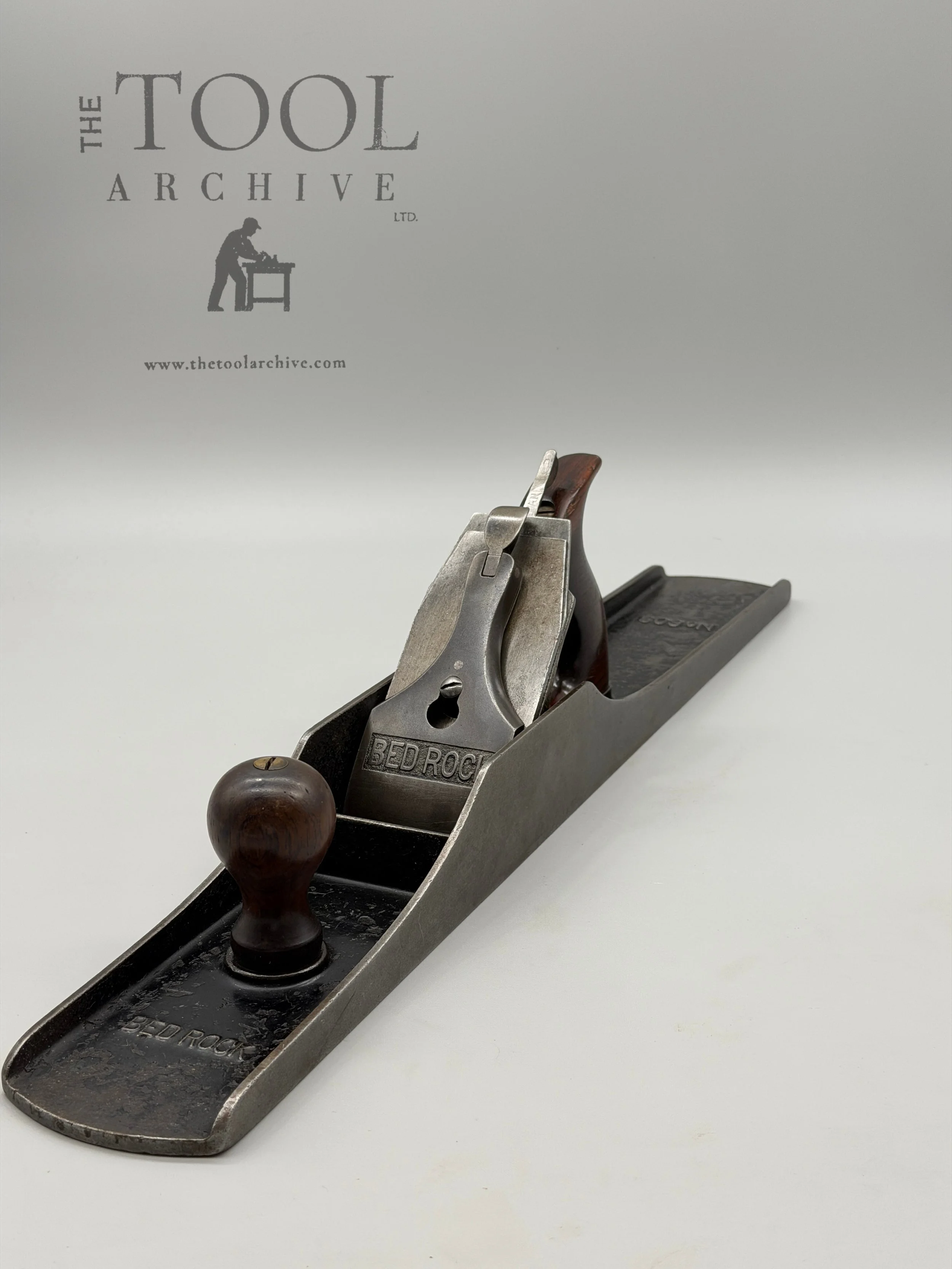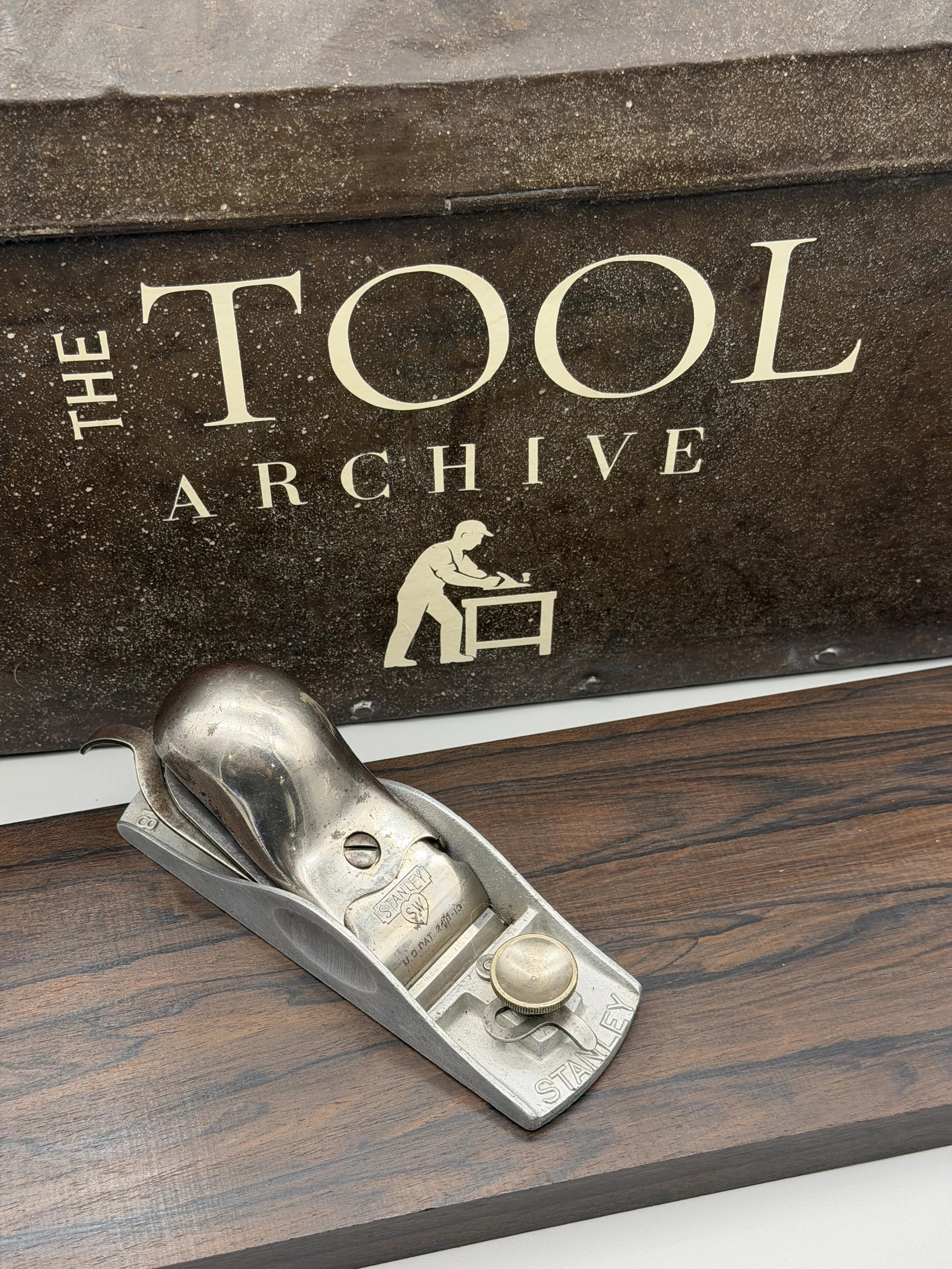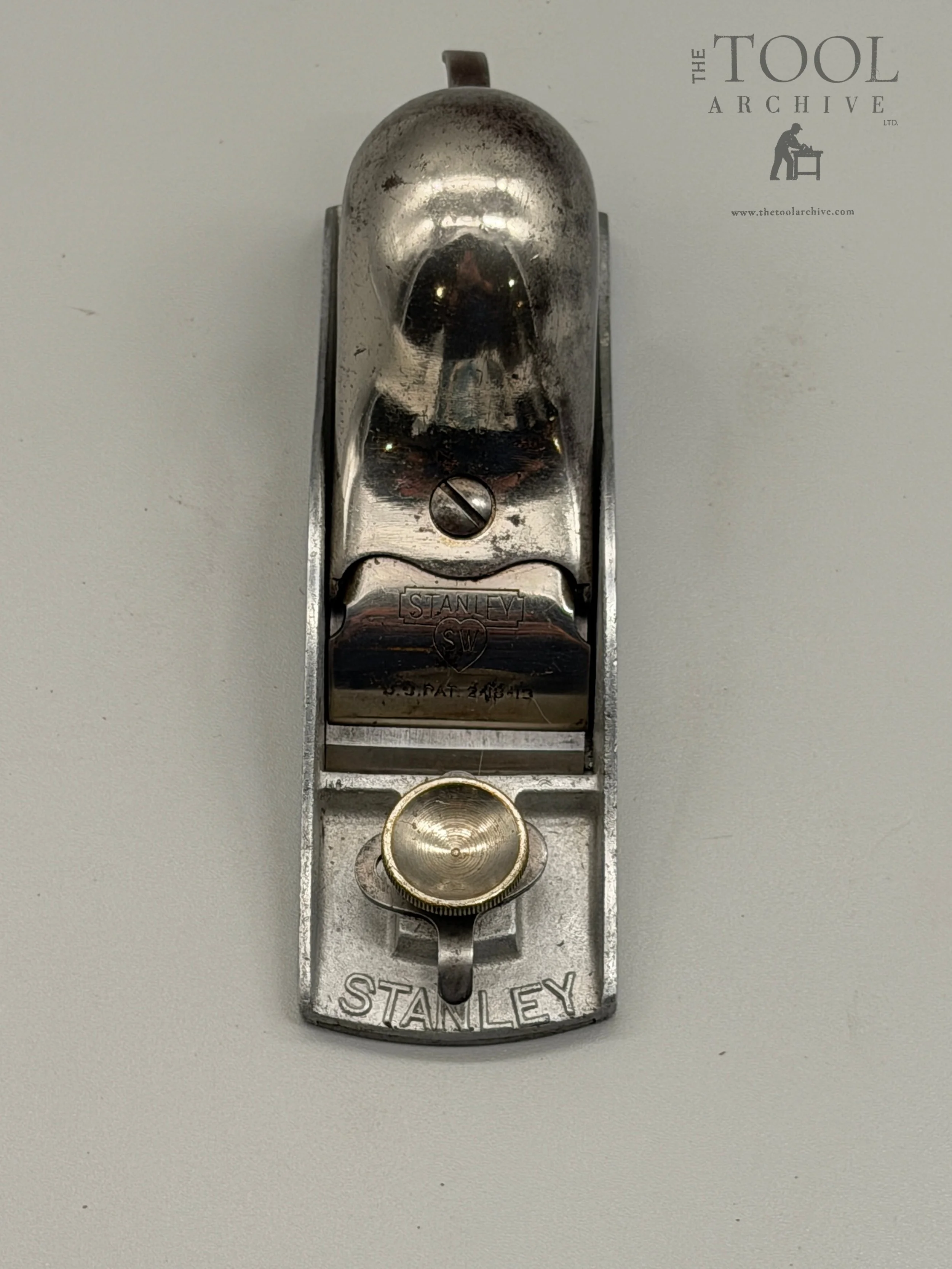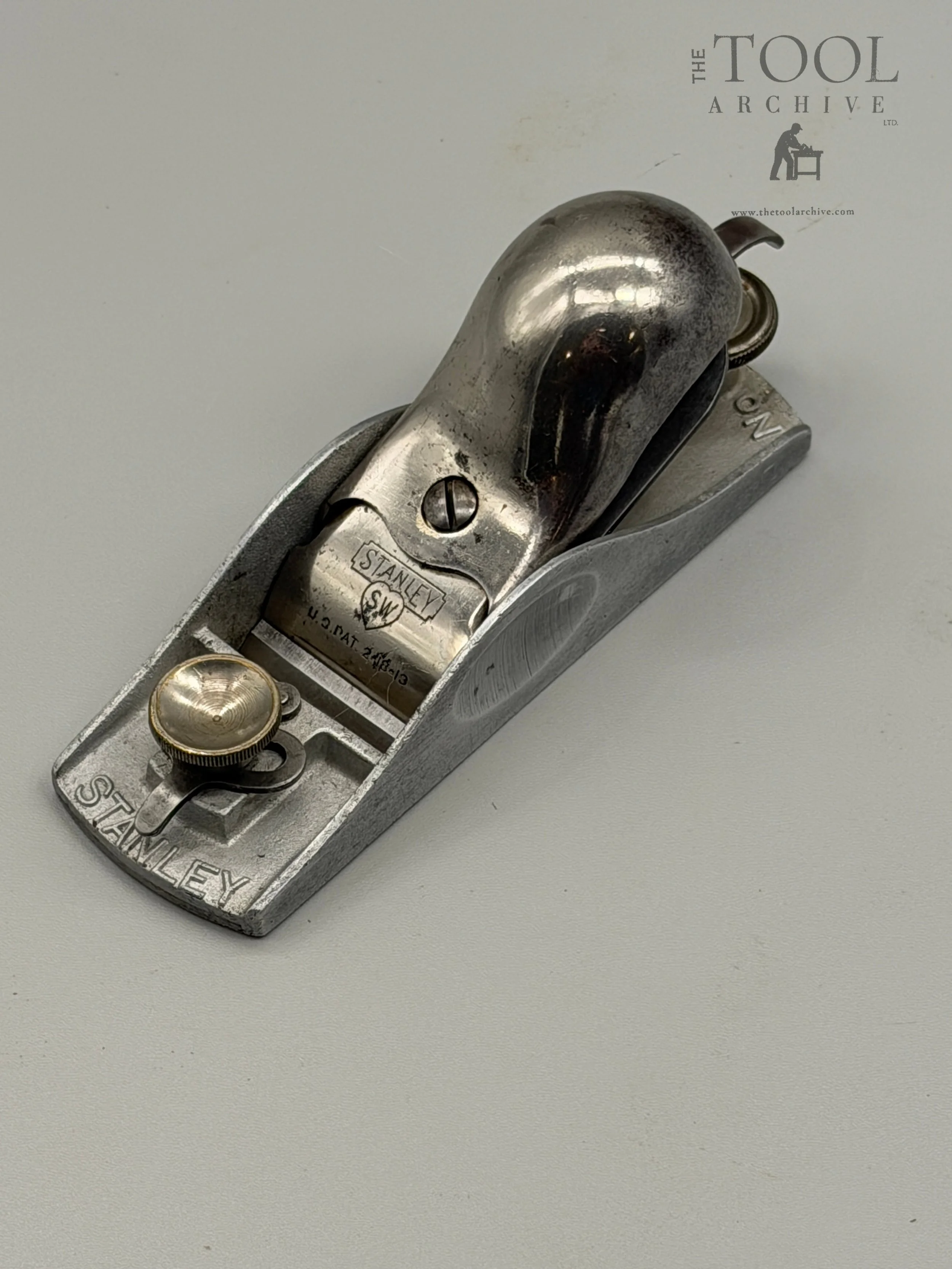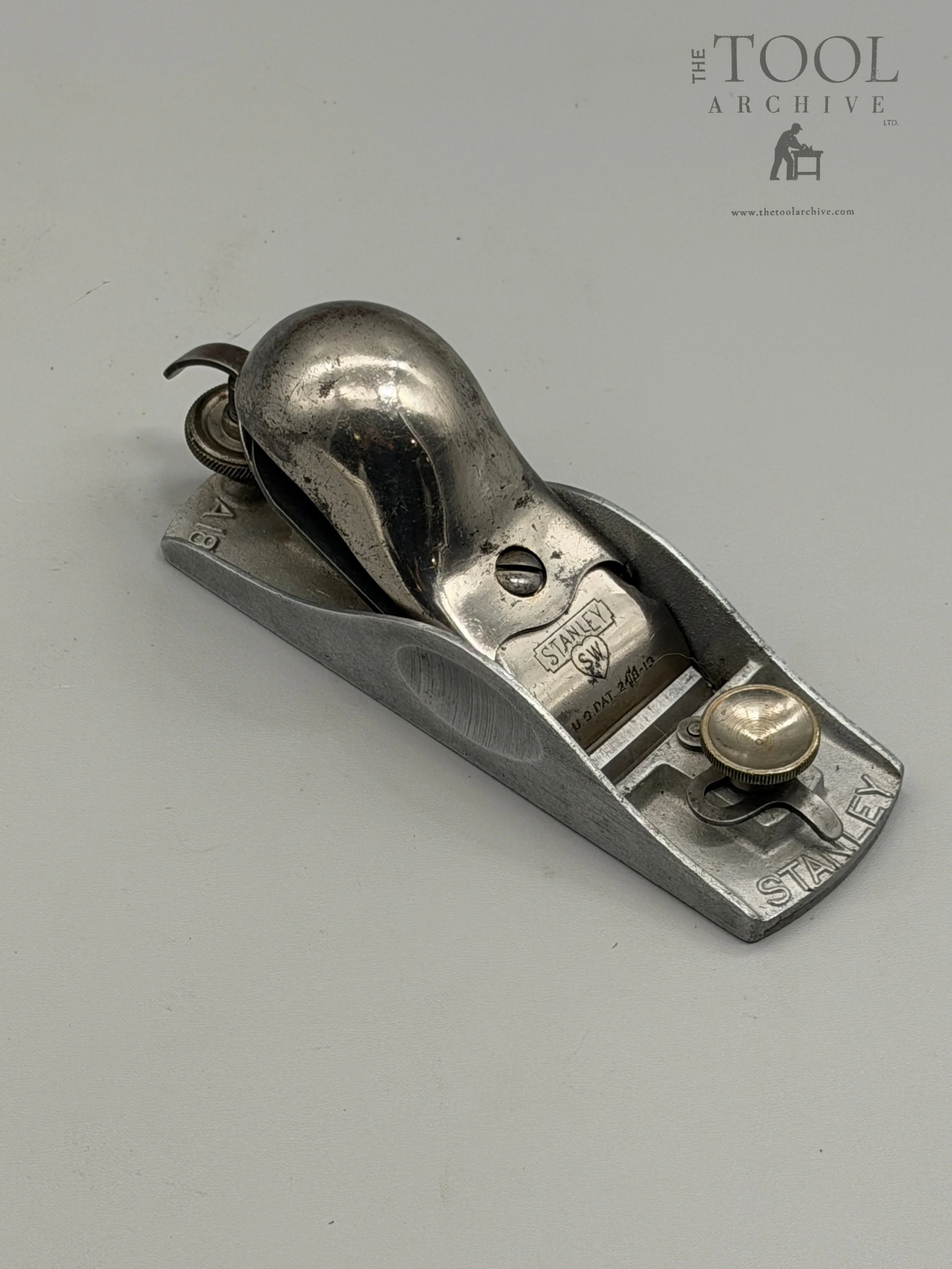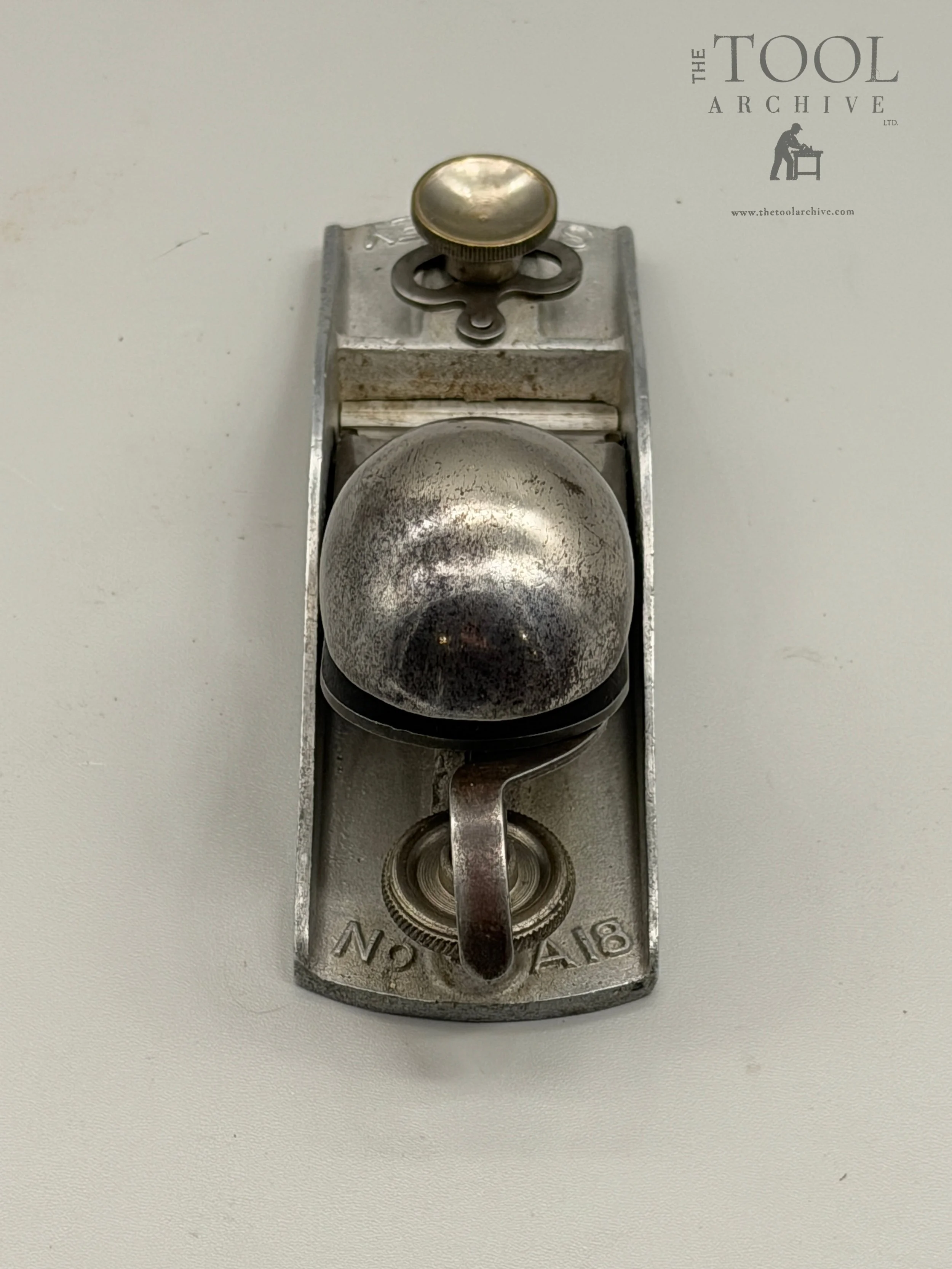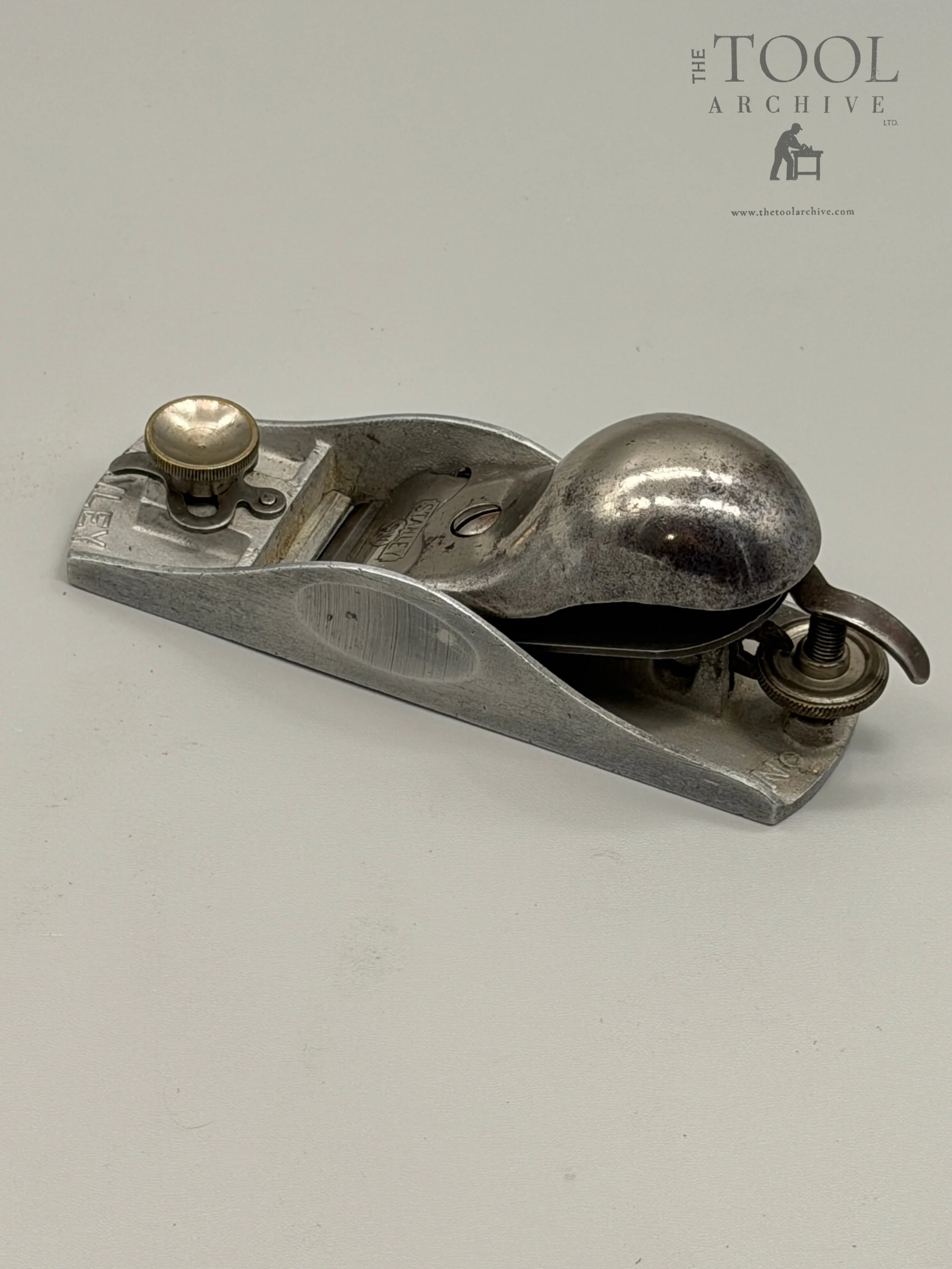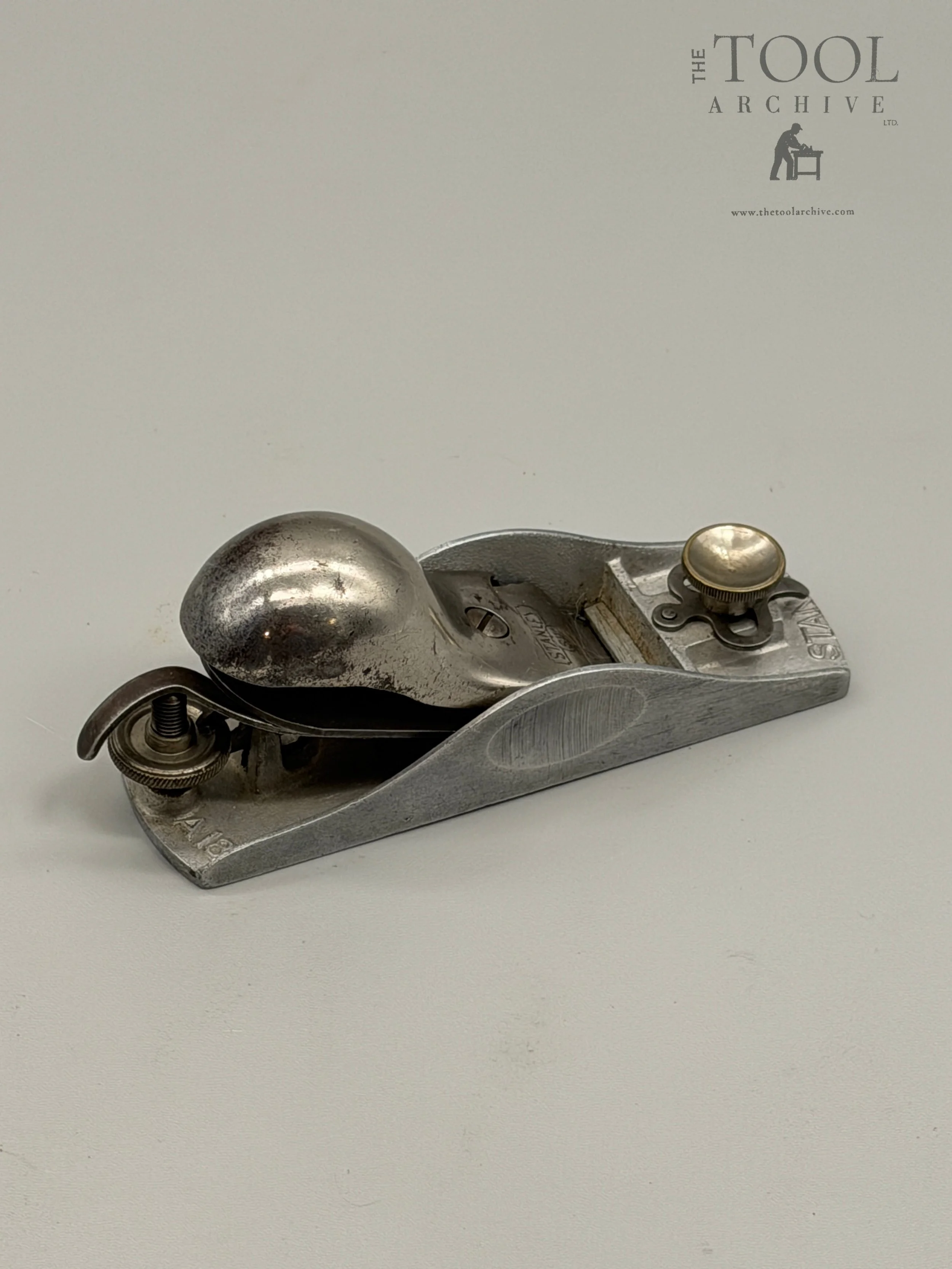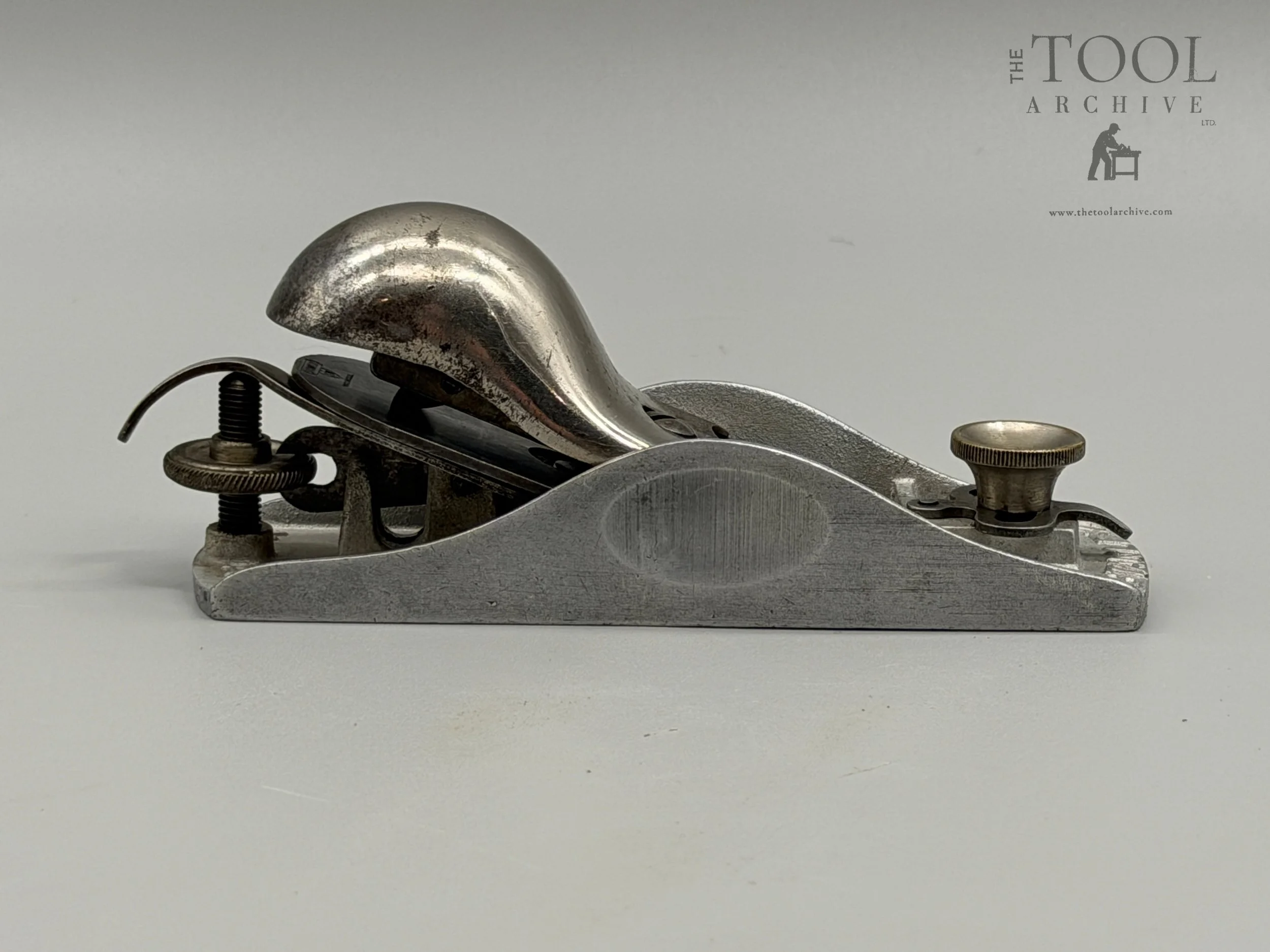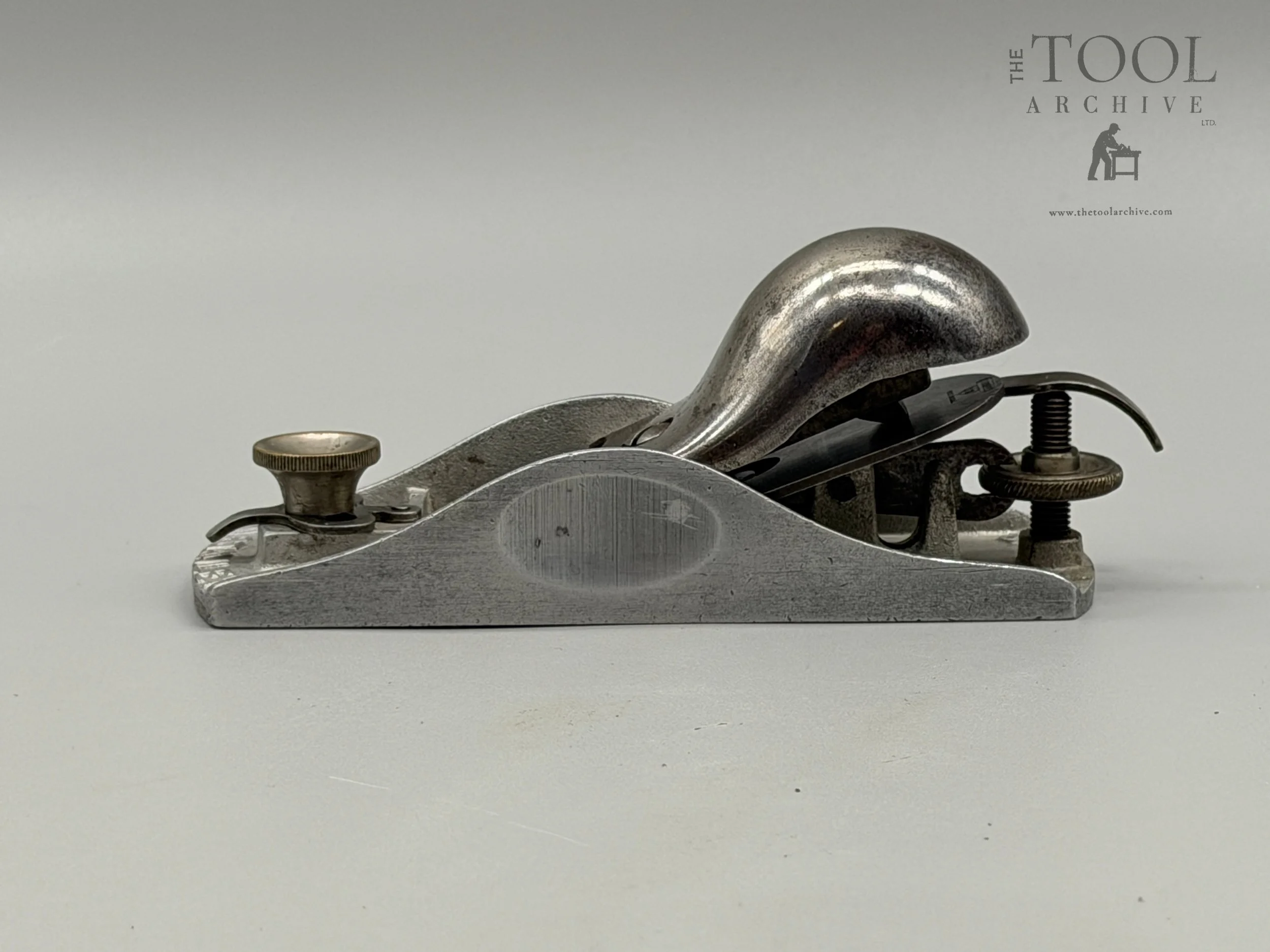
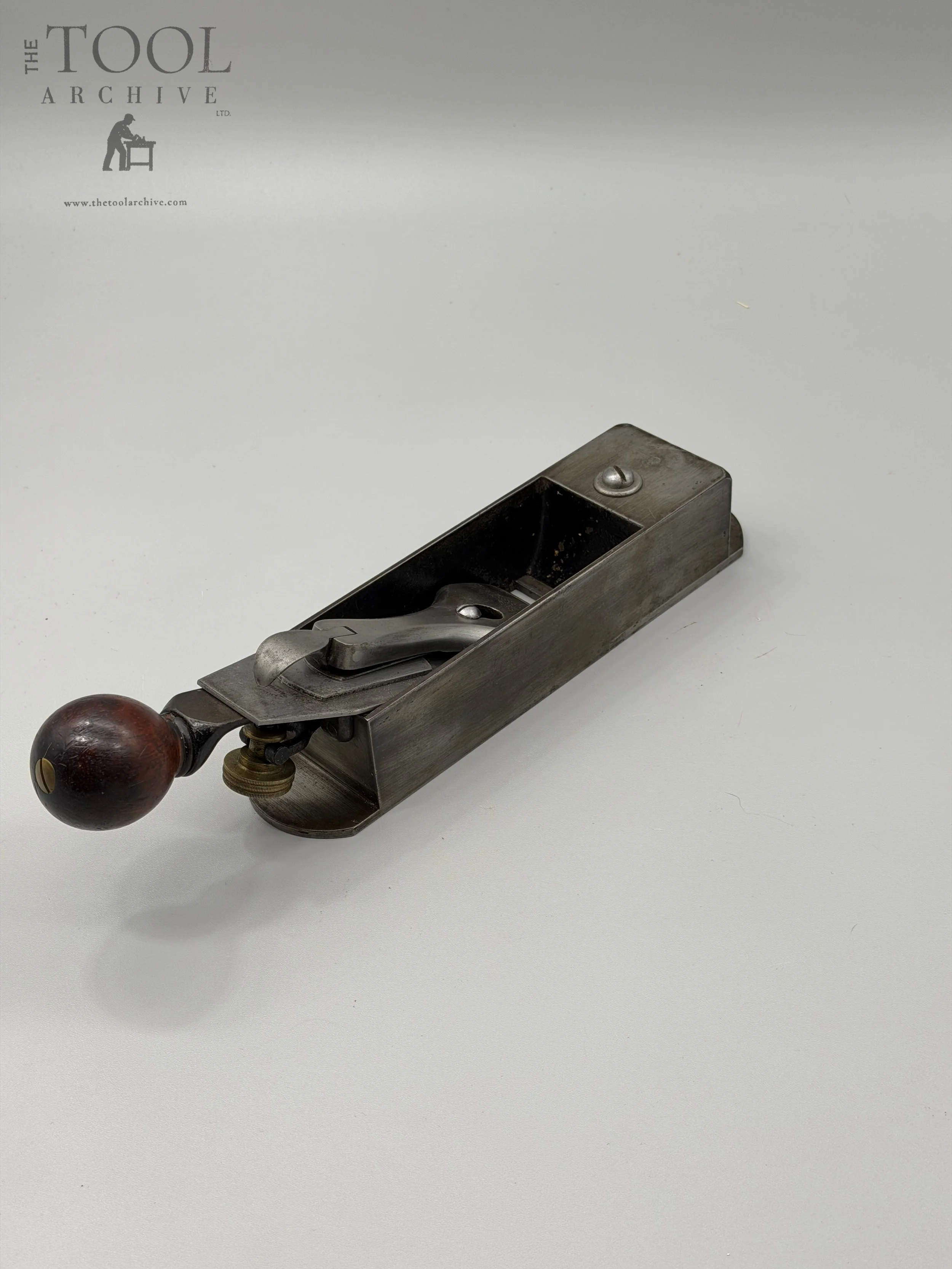
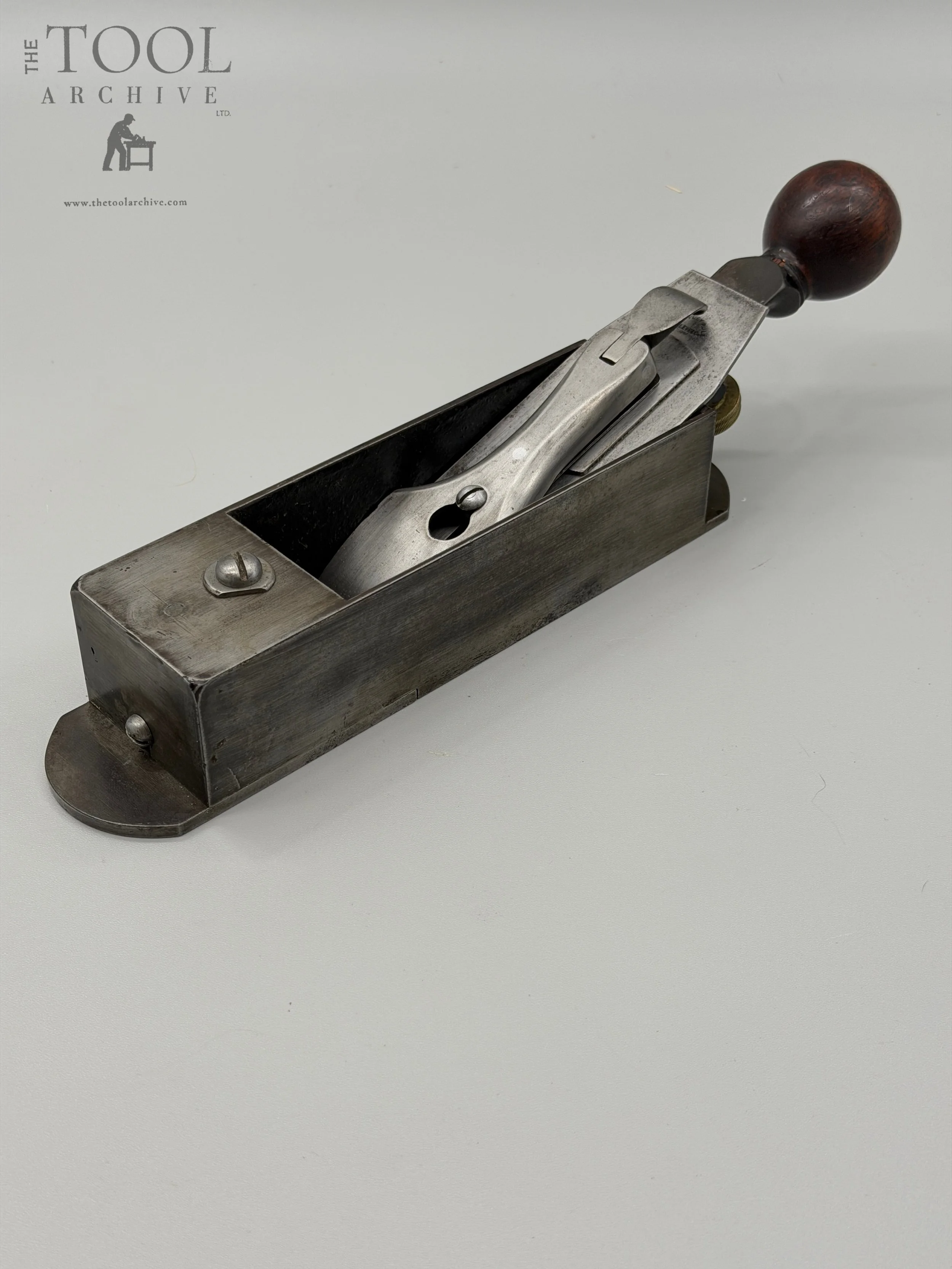
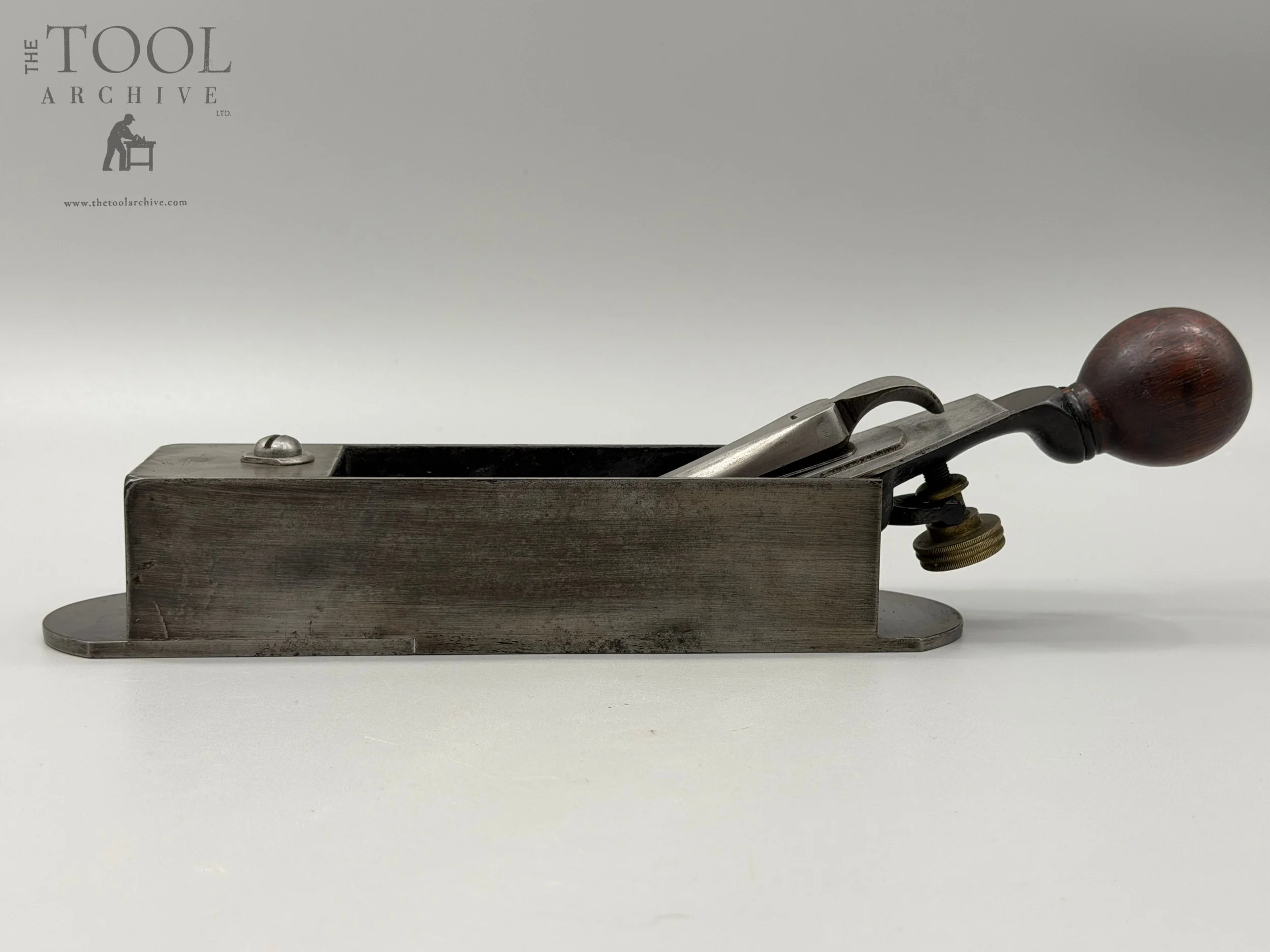
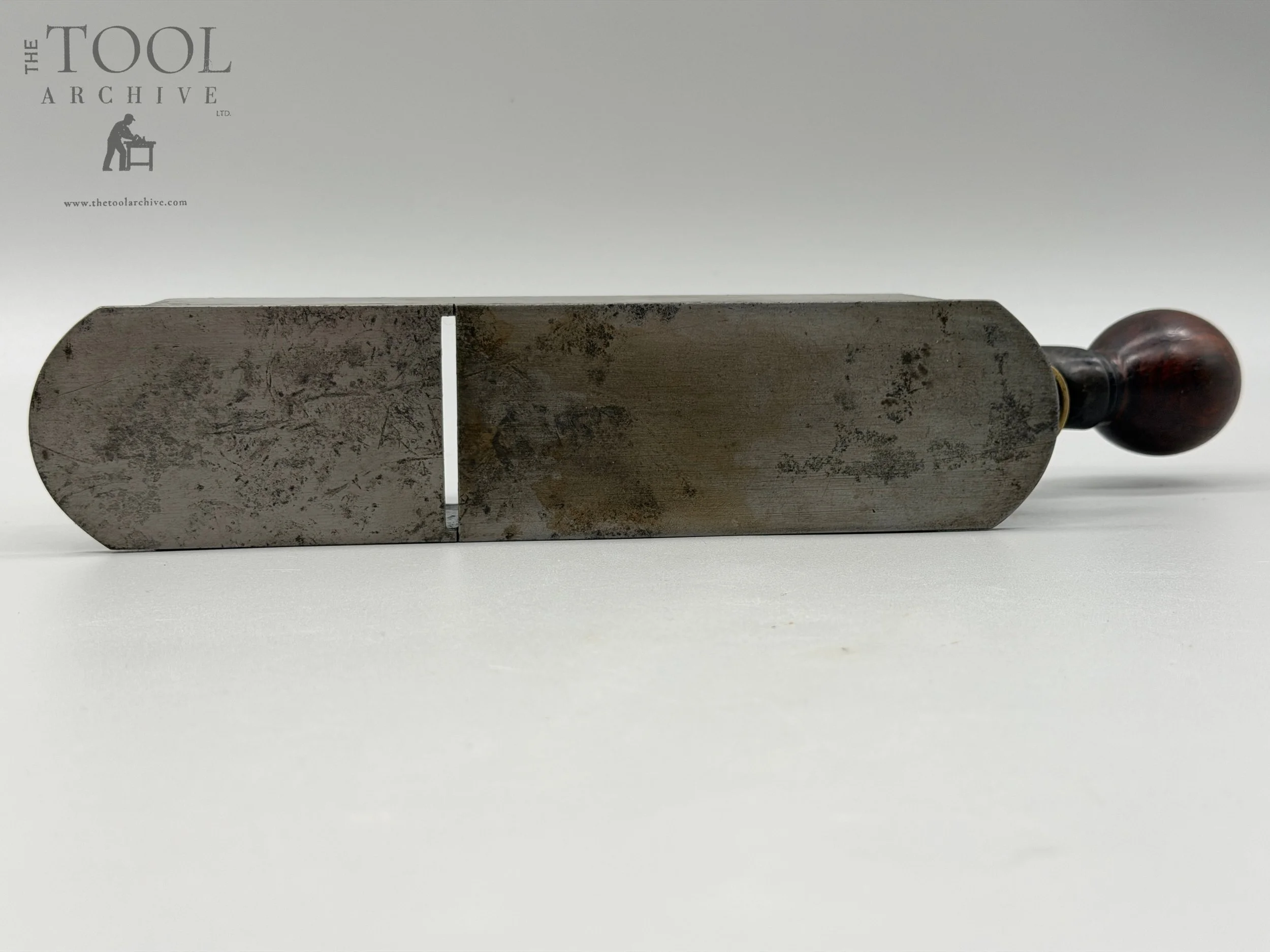
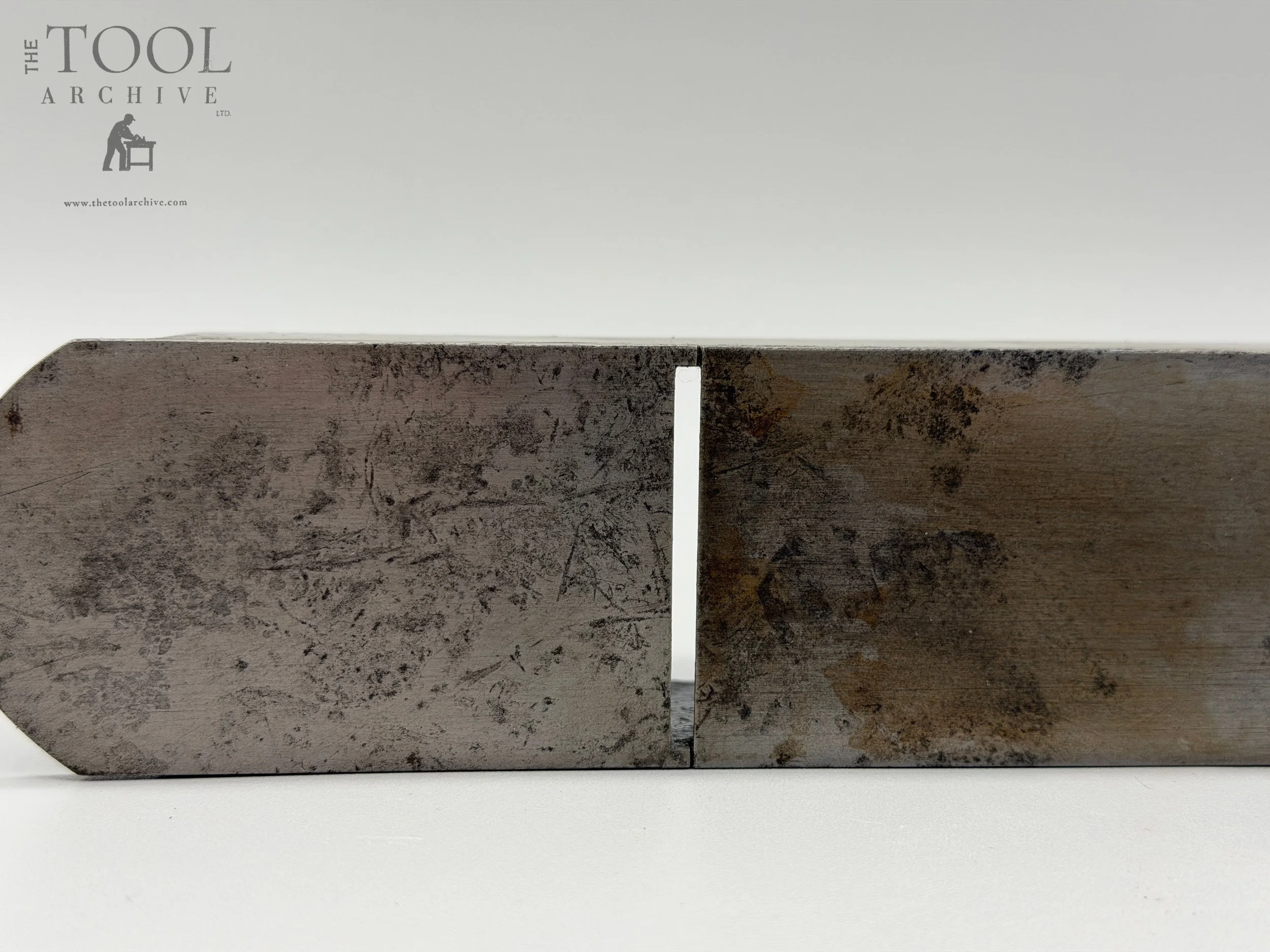
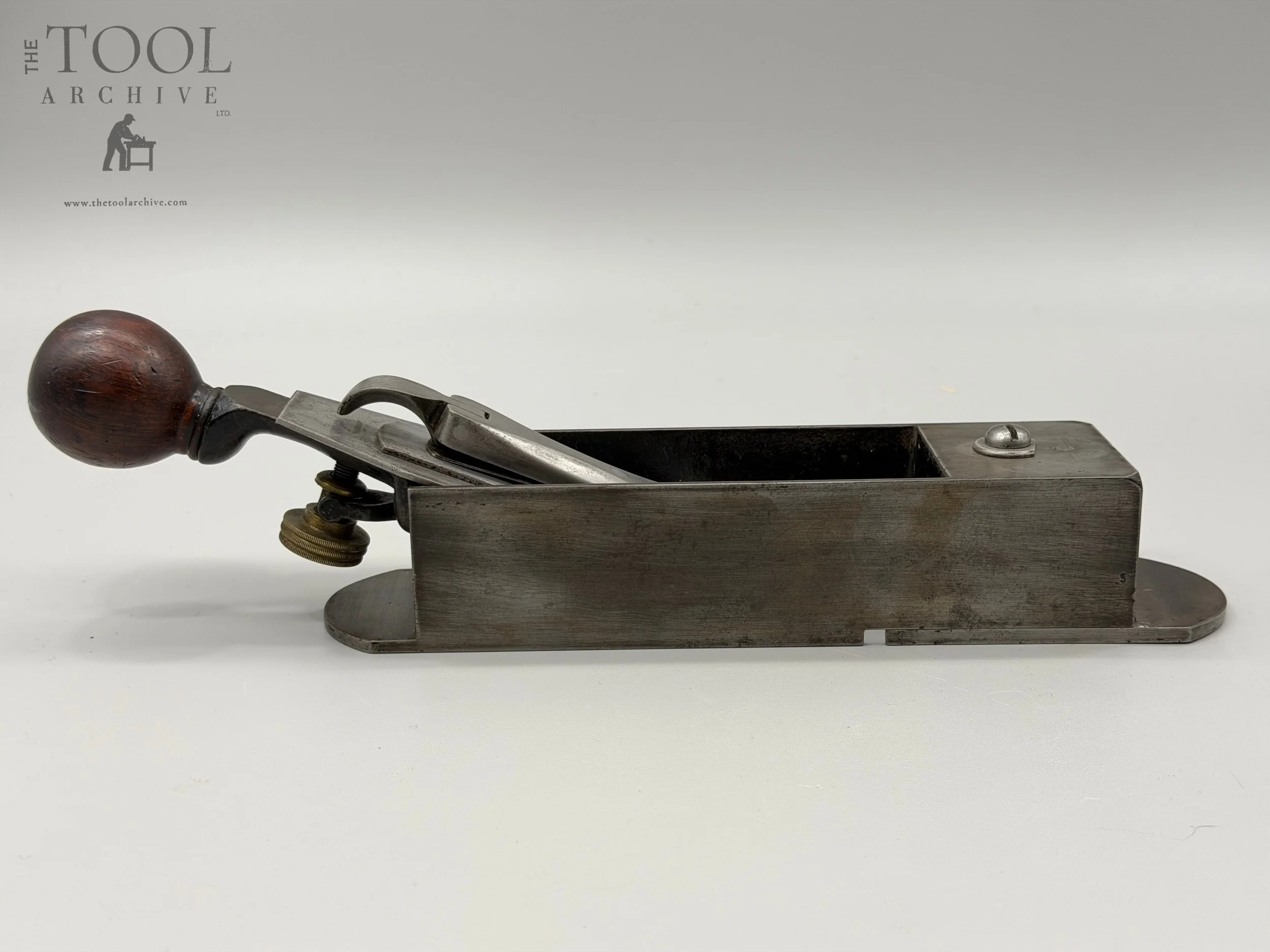
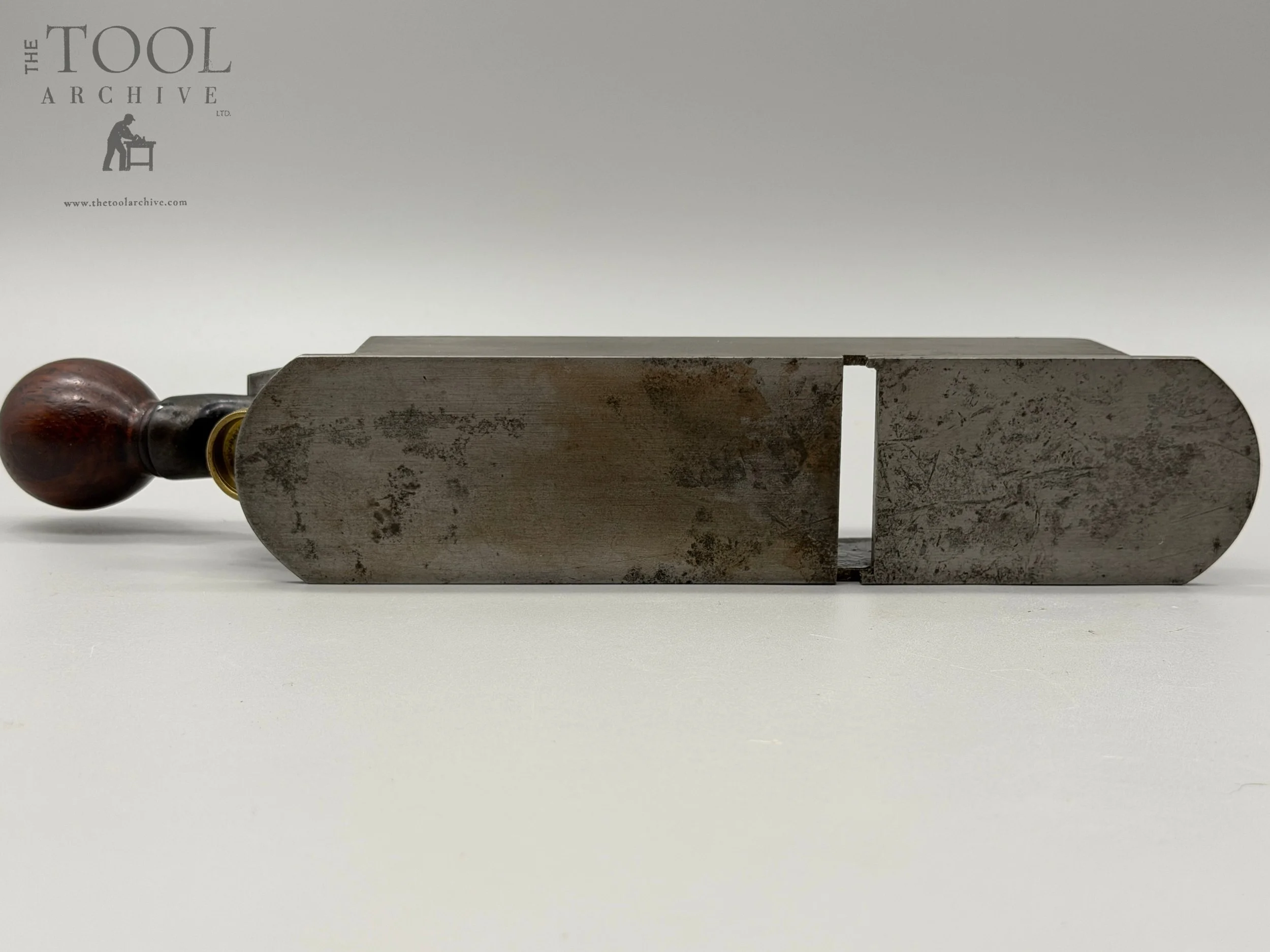
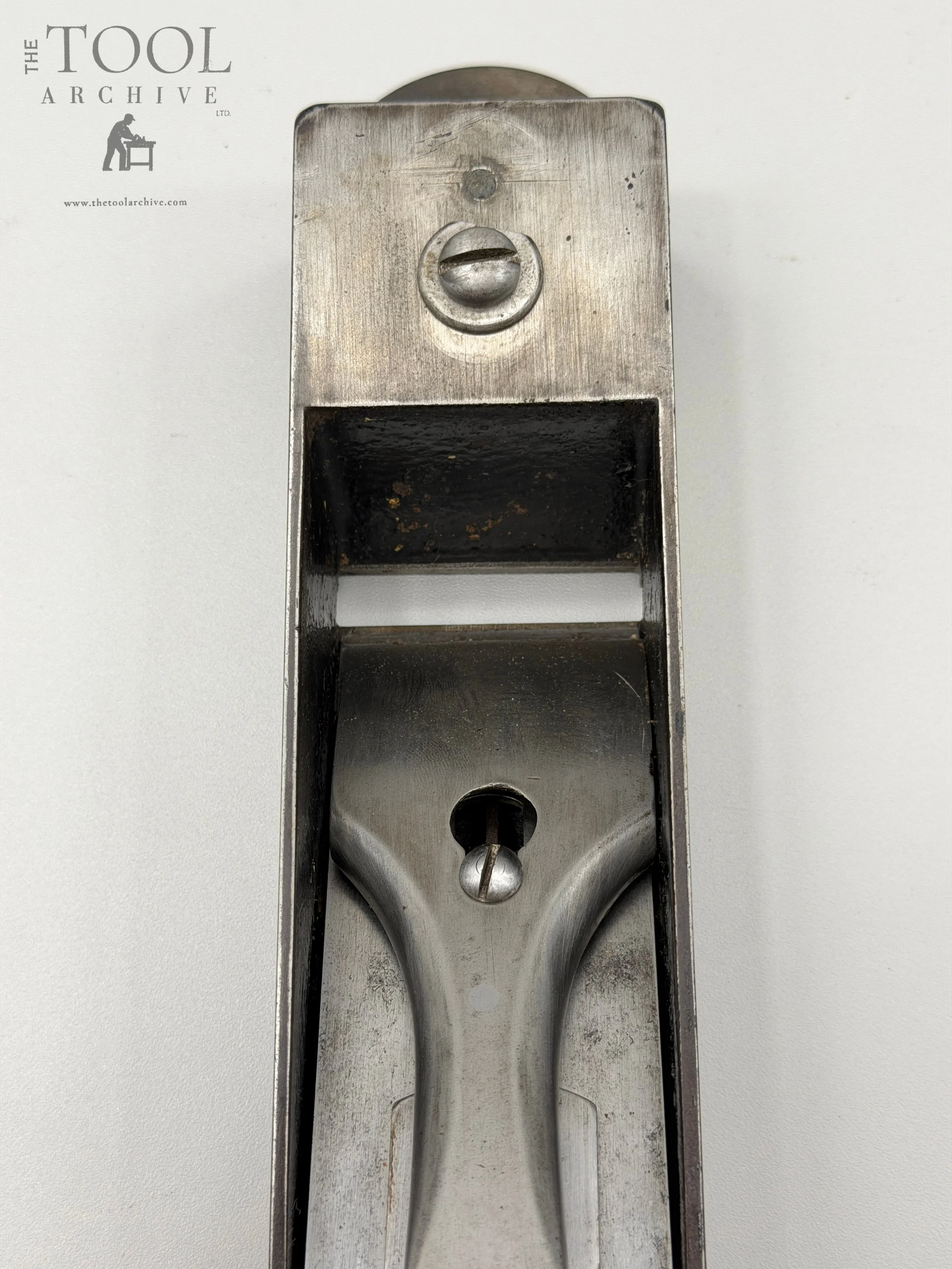
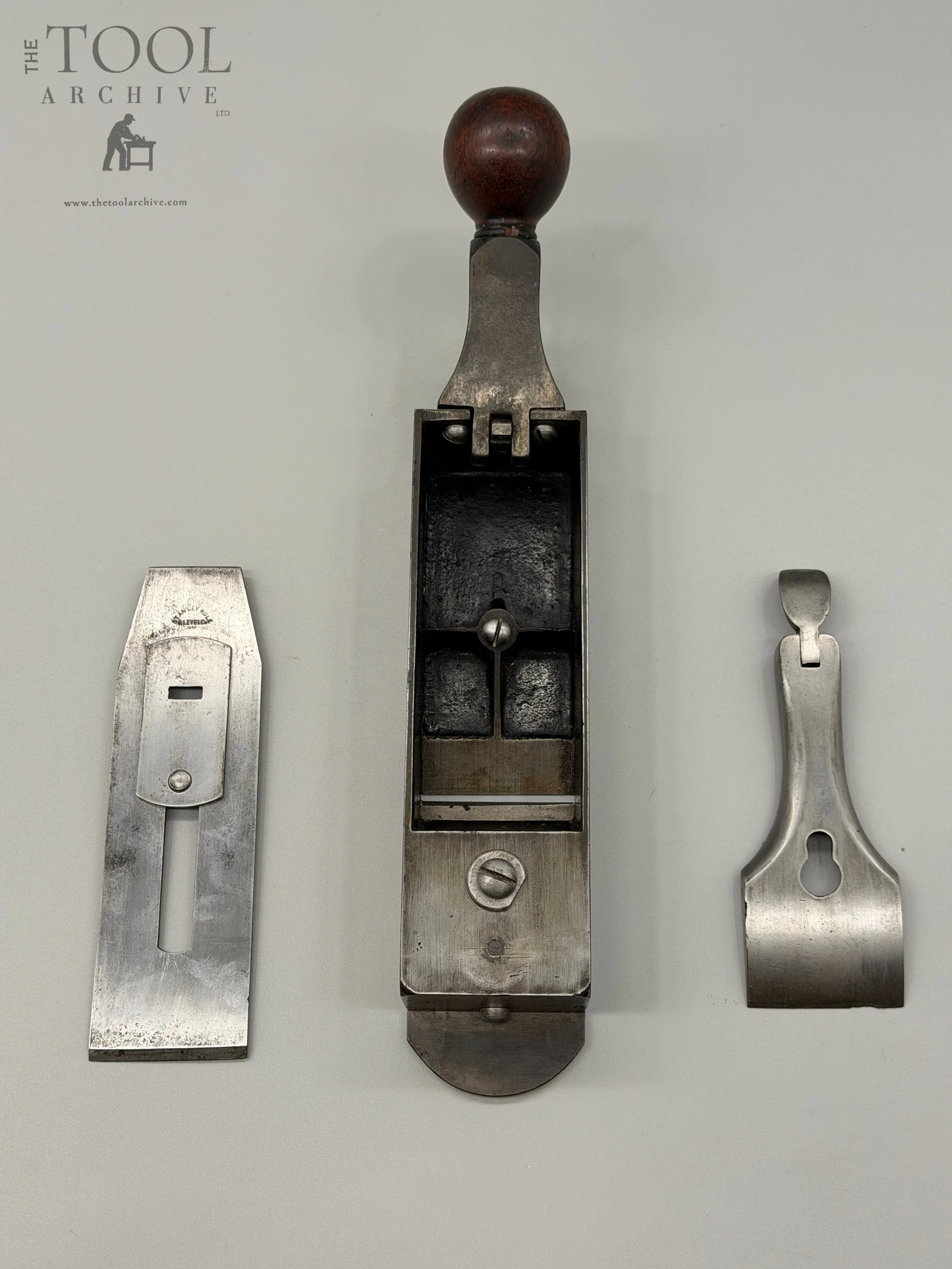
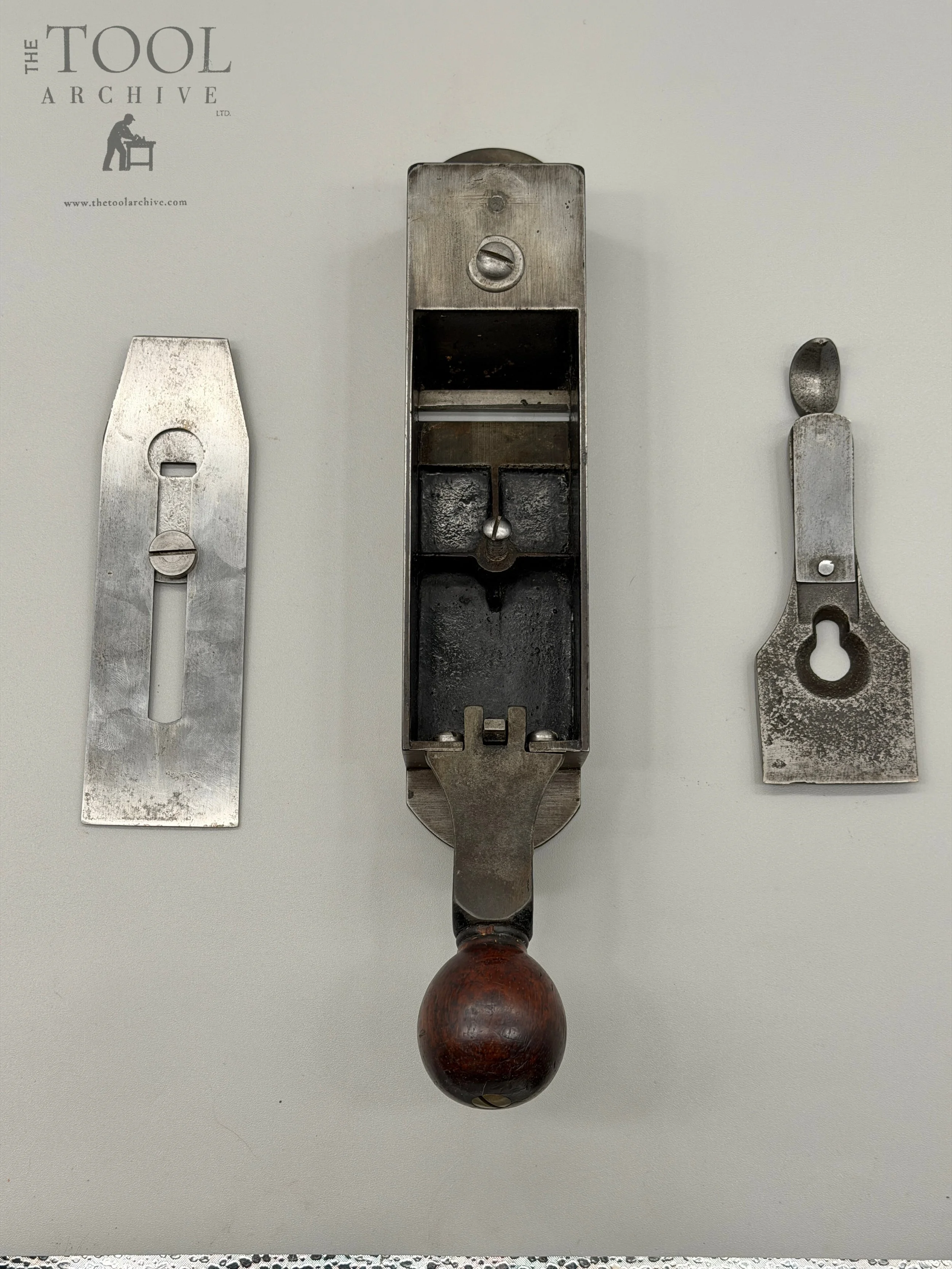
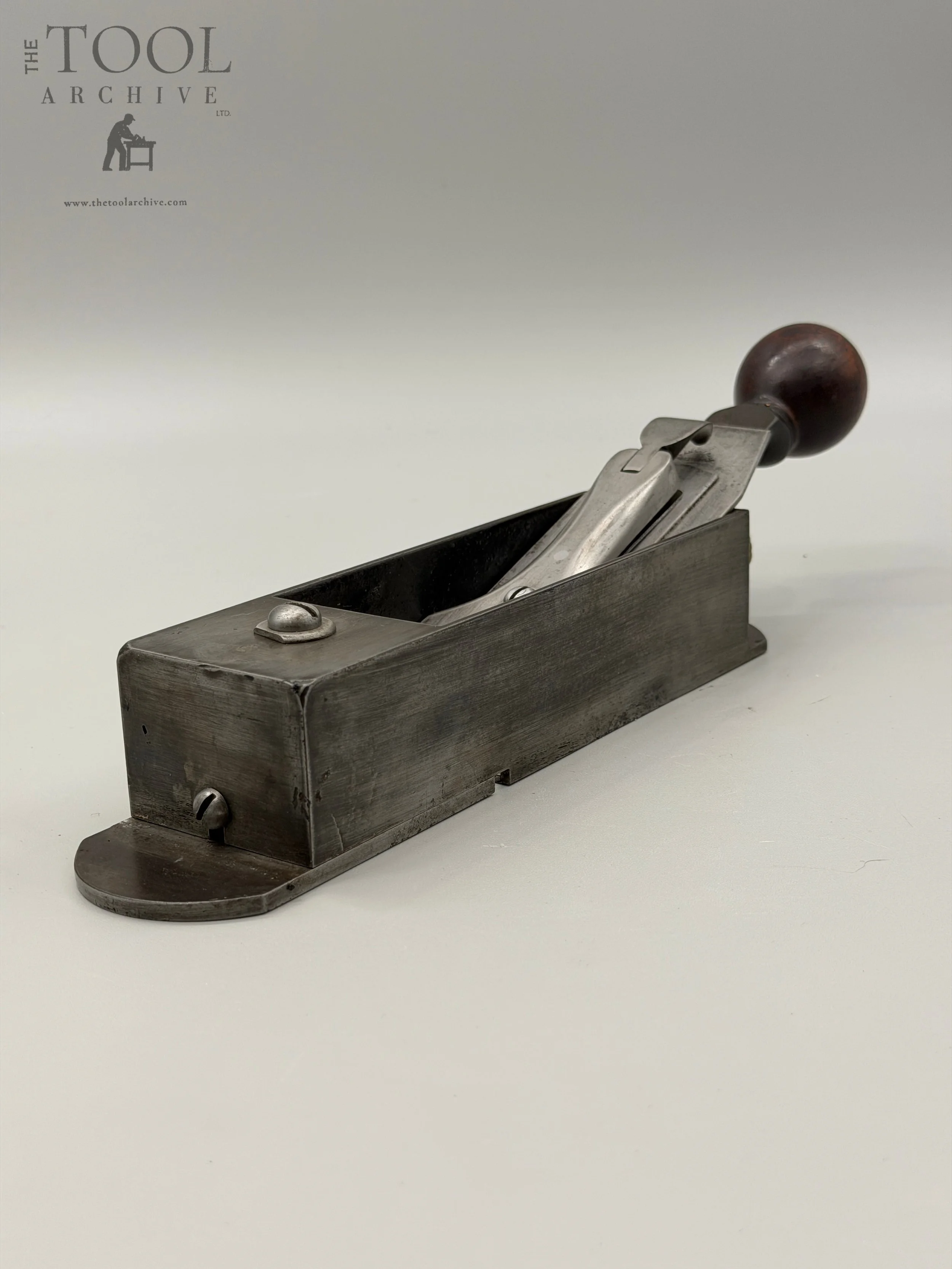
The No. 9, a plane by many names. Pick your favorite. Or make up your own. He’ll answer to just about any name if you give him treats. While we’re on the nonsense train, can we just comment that the No. 9 must have been adopted because it looks nothing like 1-8. Or a total genetic shake-up produced No. 9. Anyway, back to the plane.
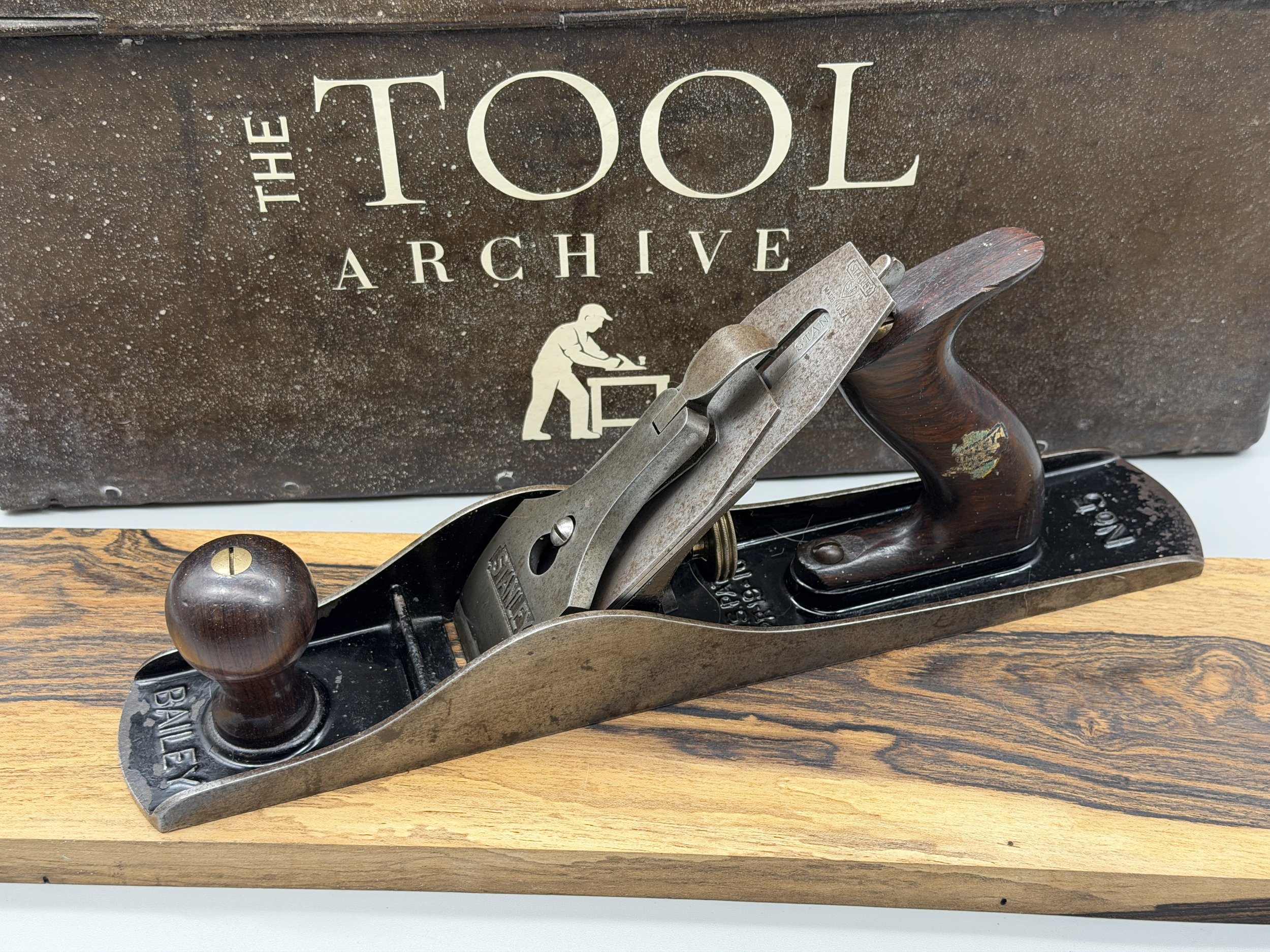
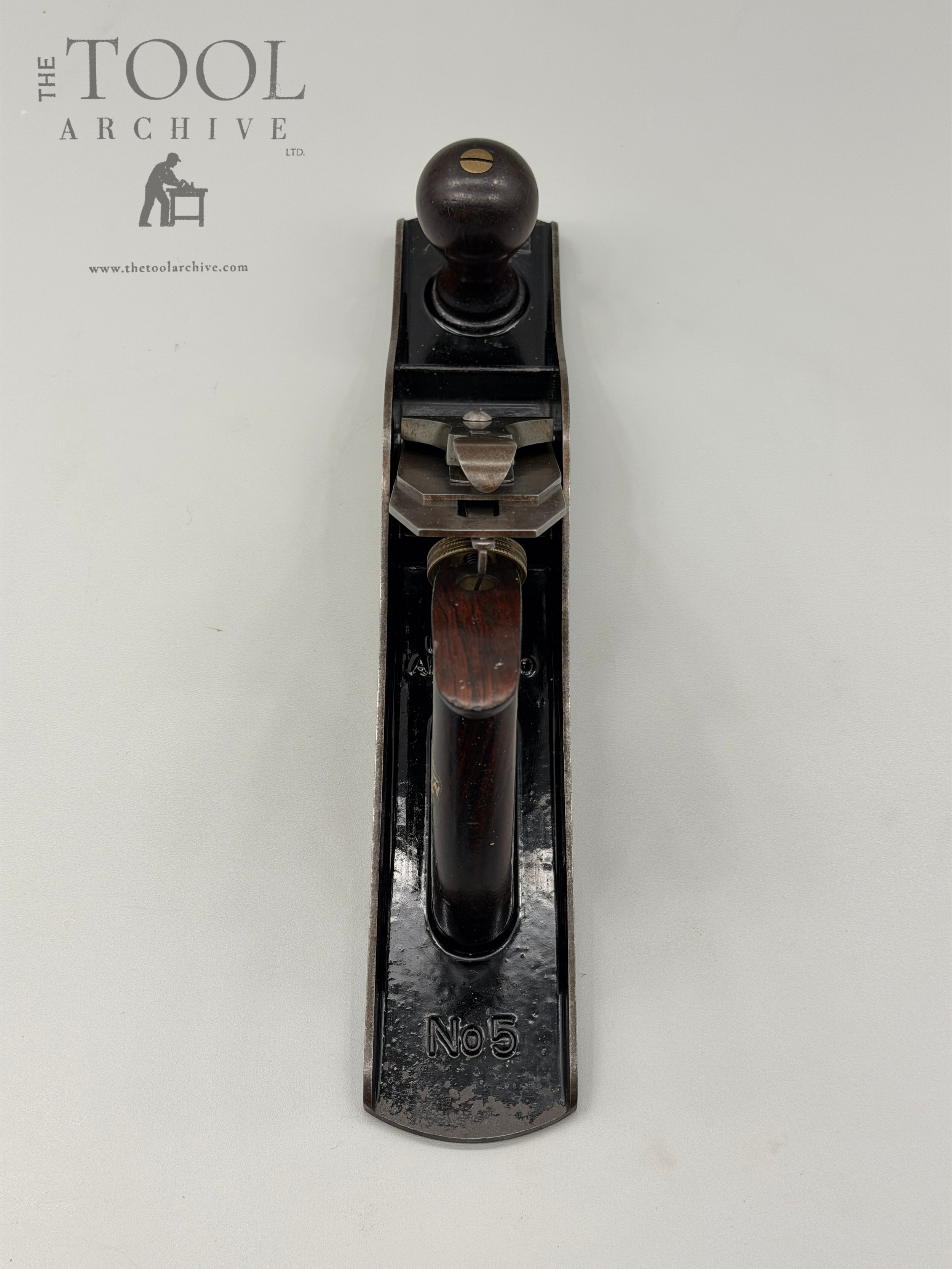
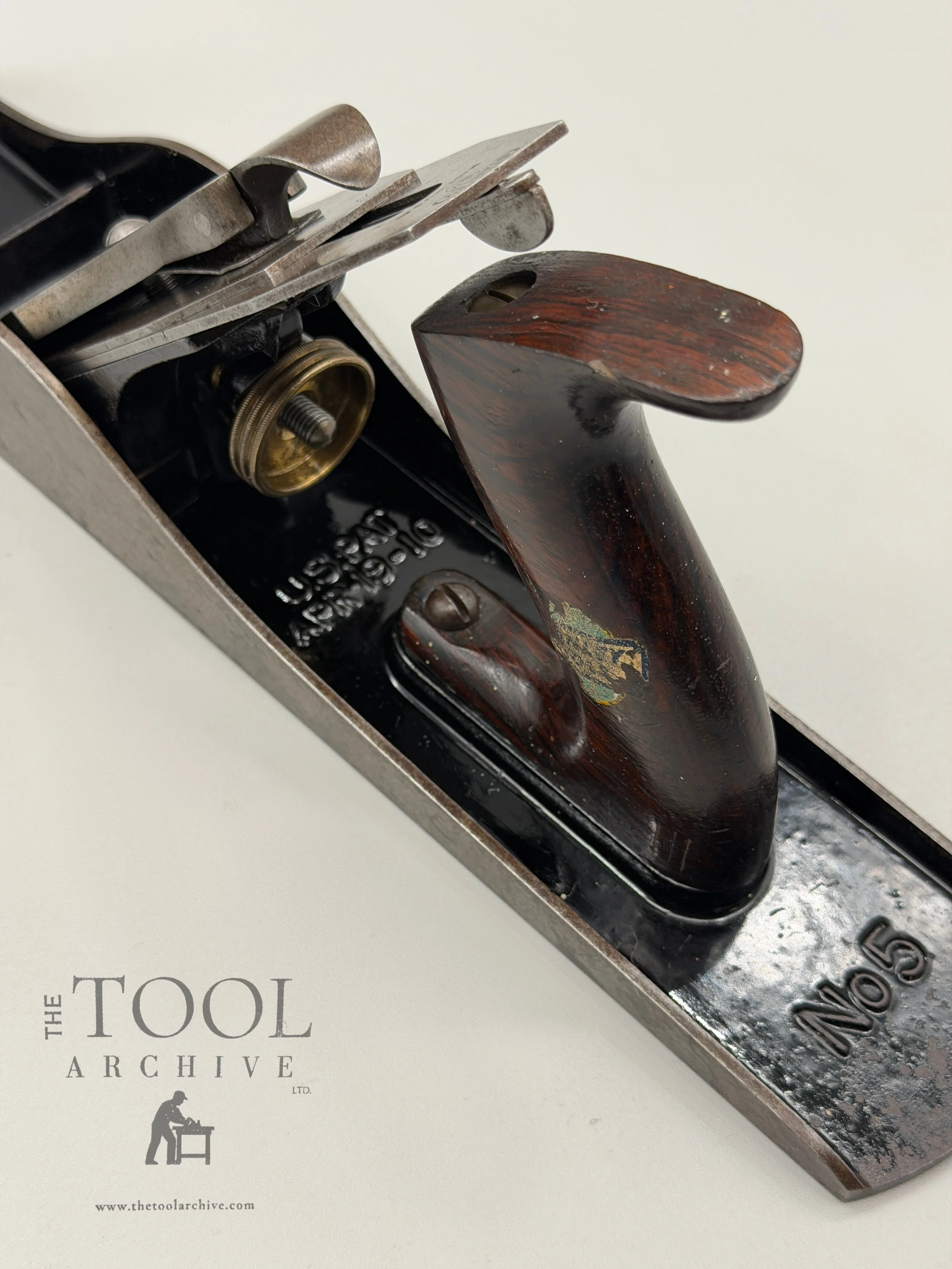
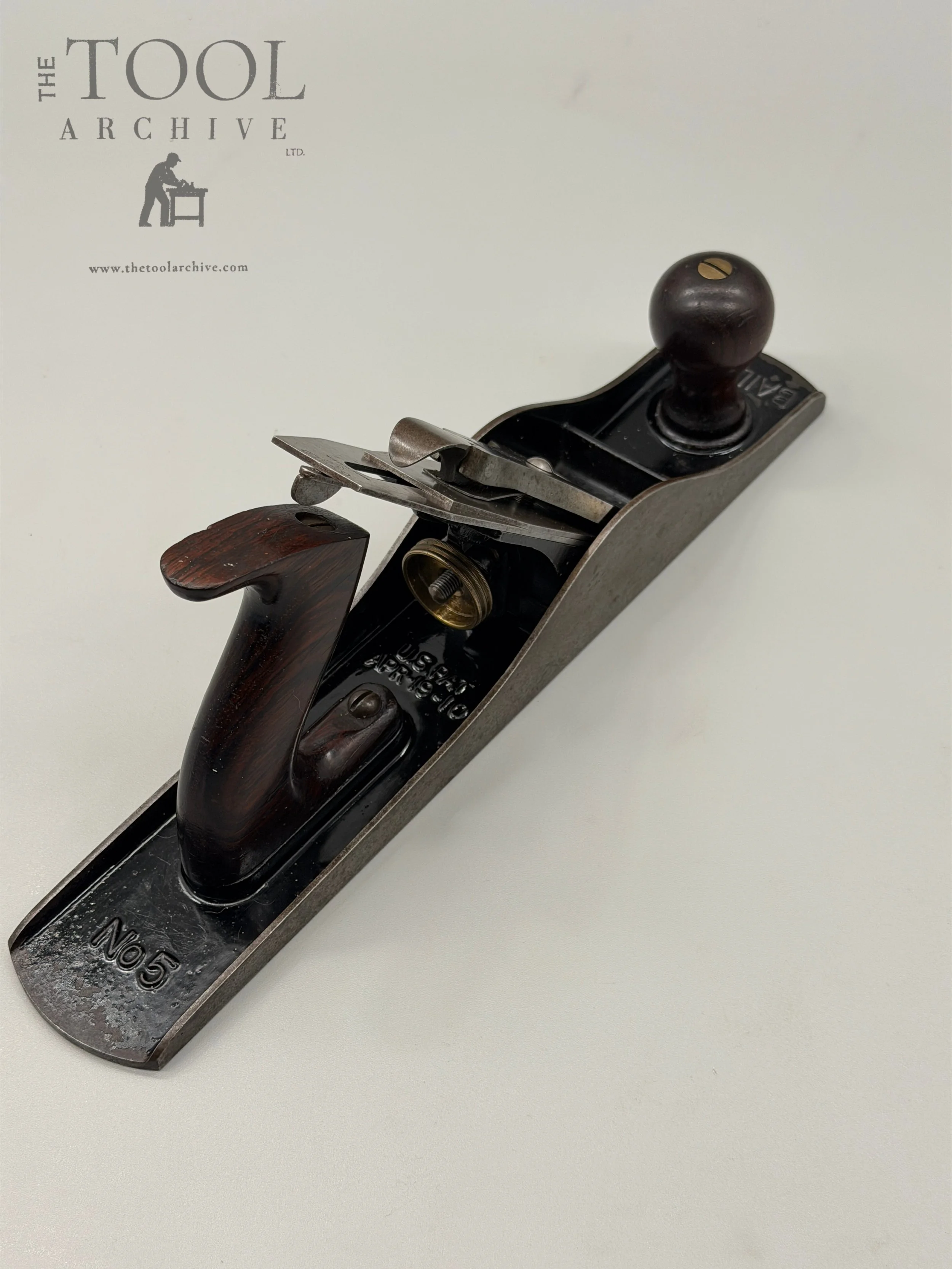
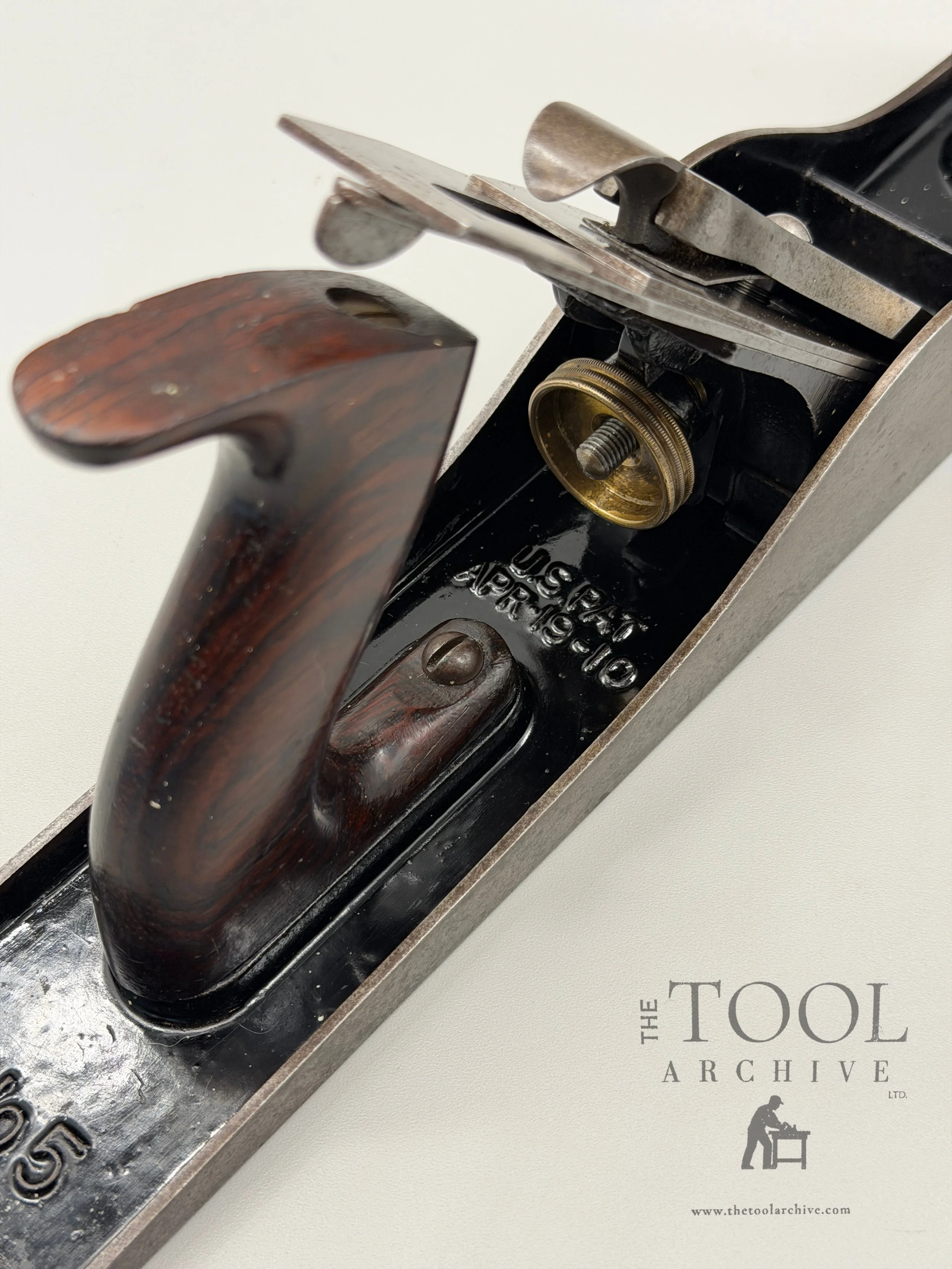
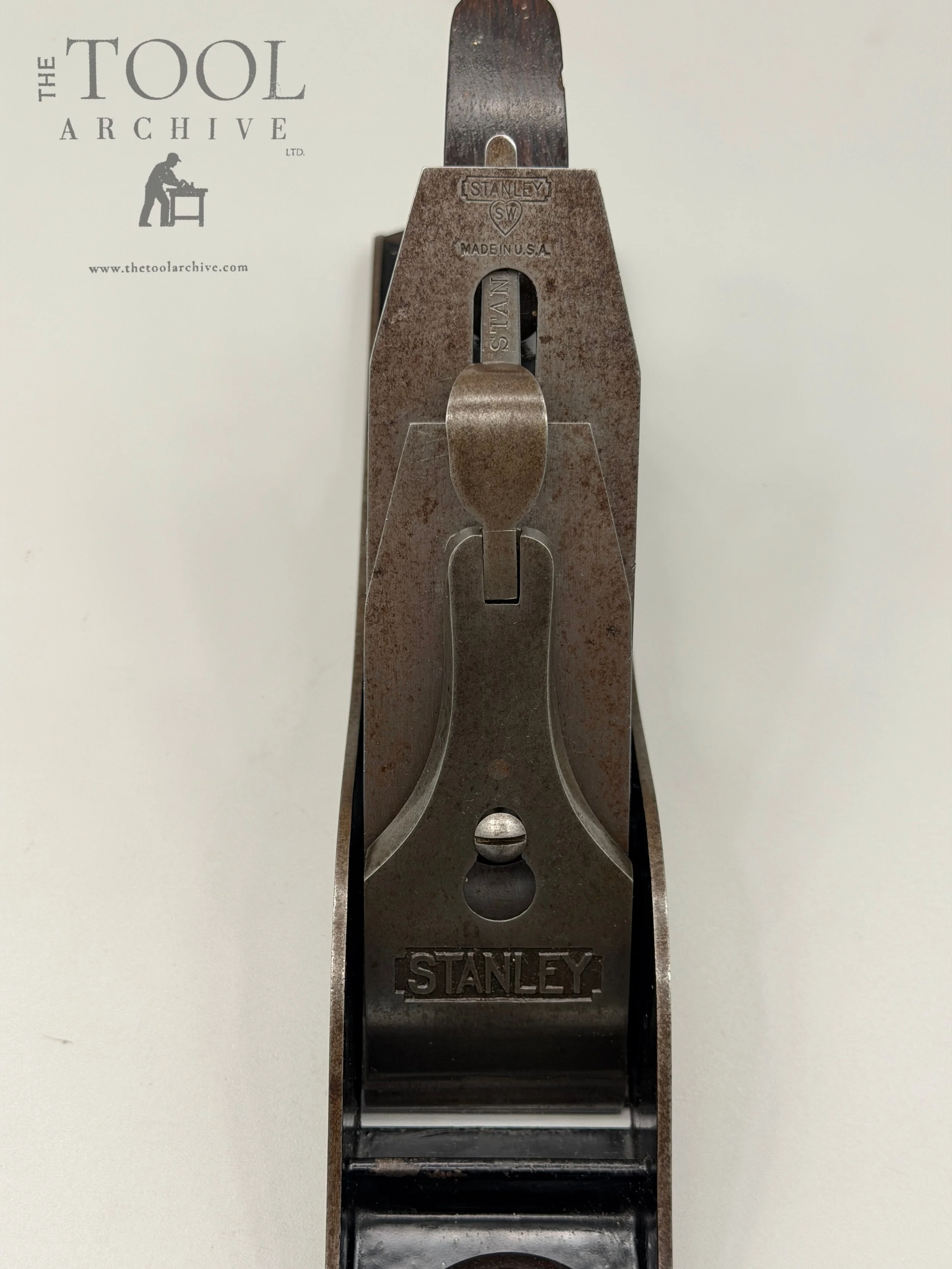
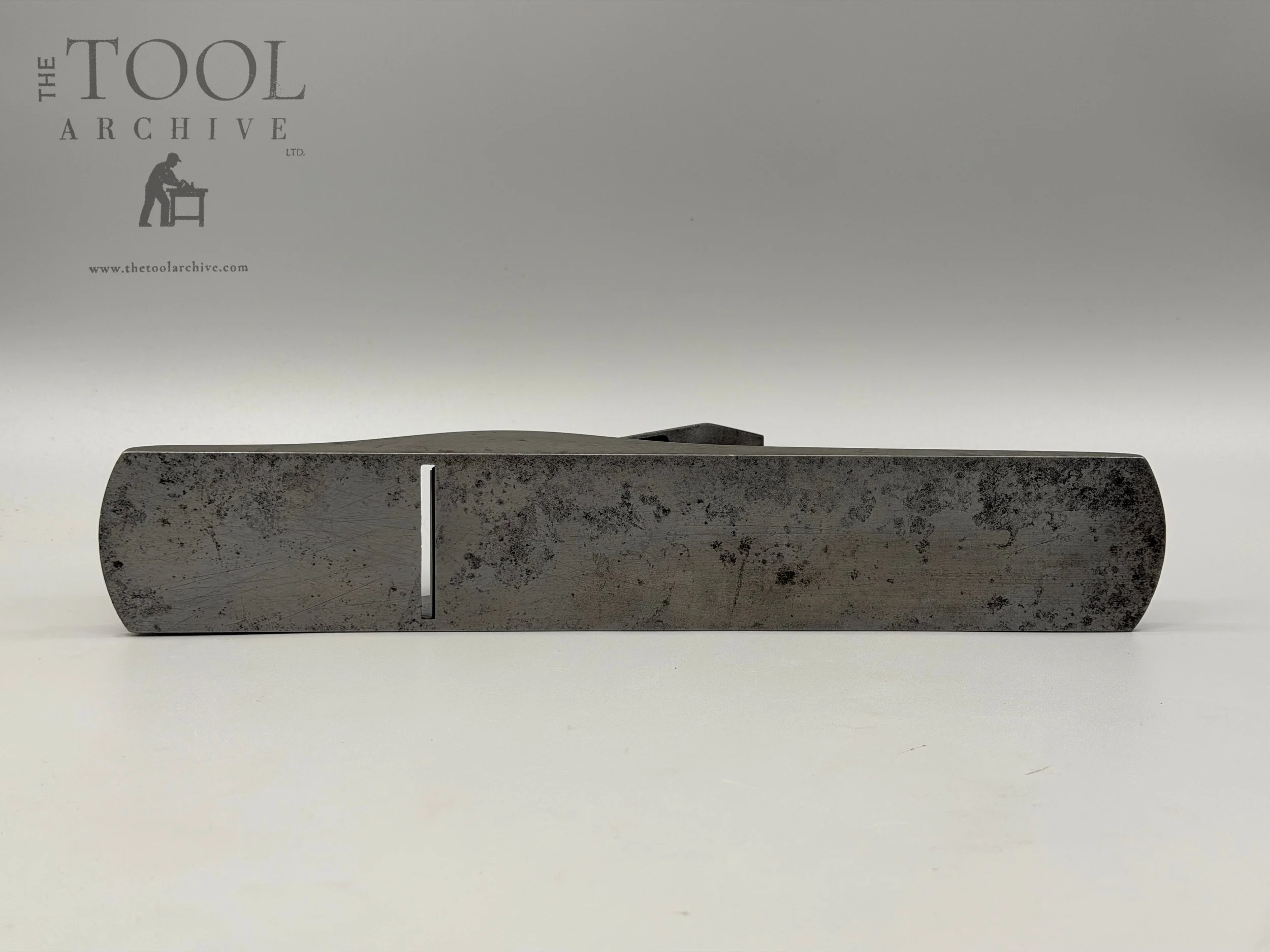
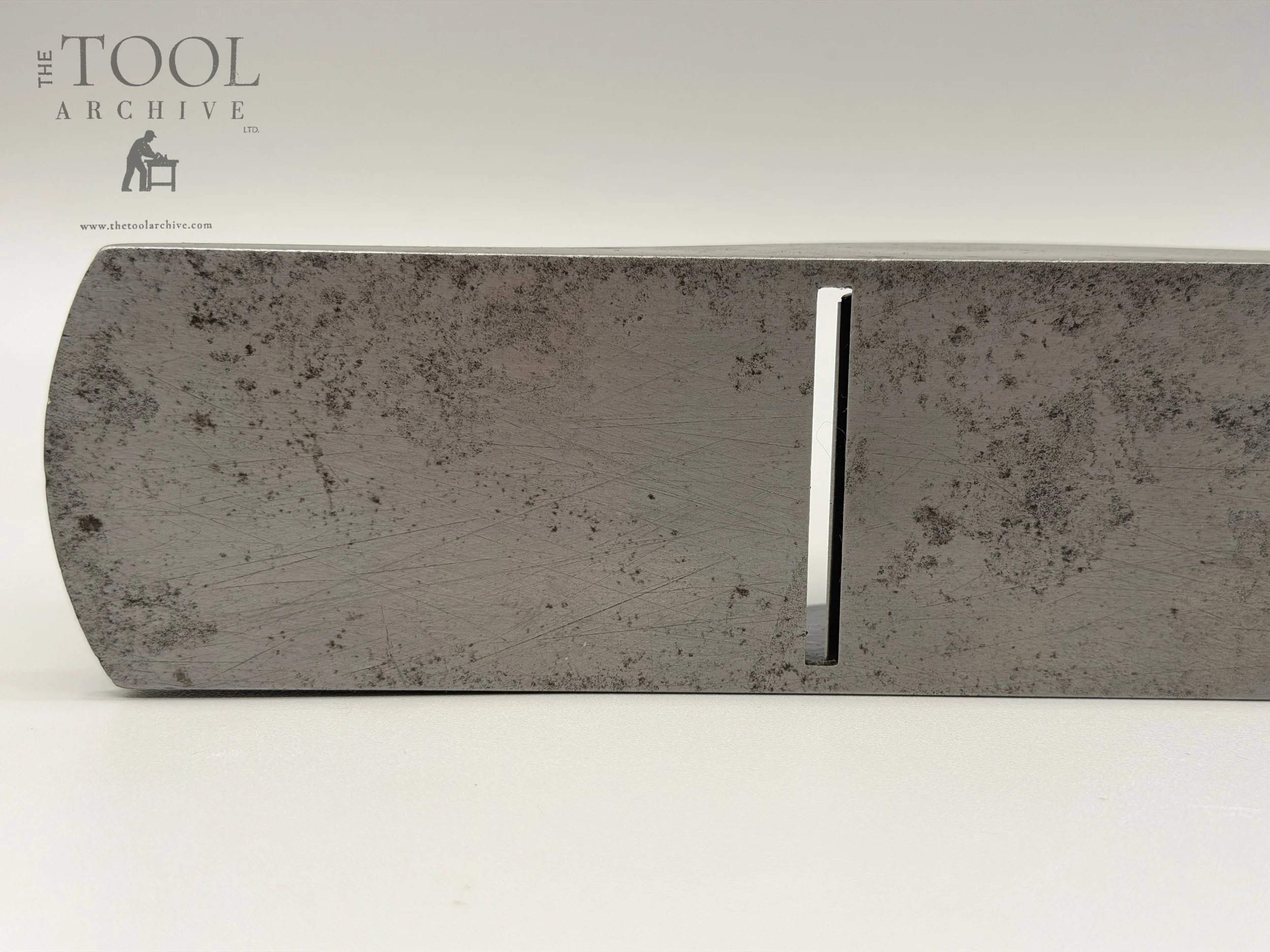
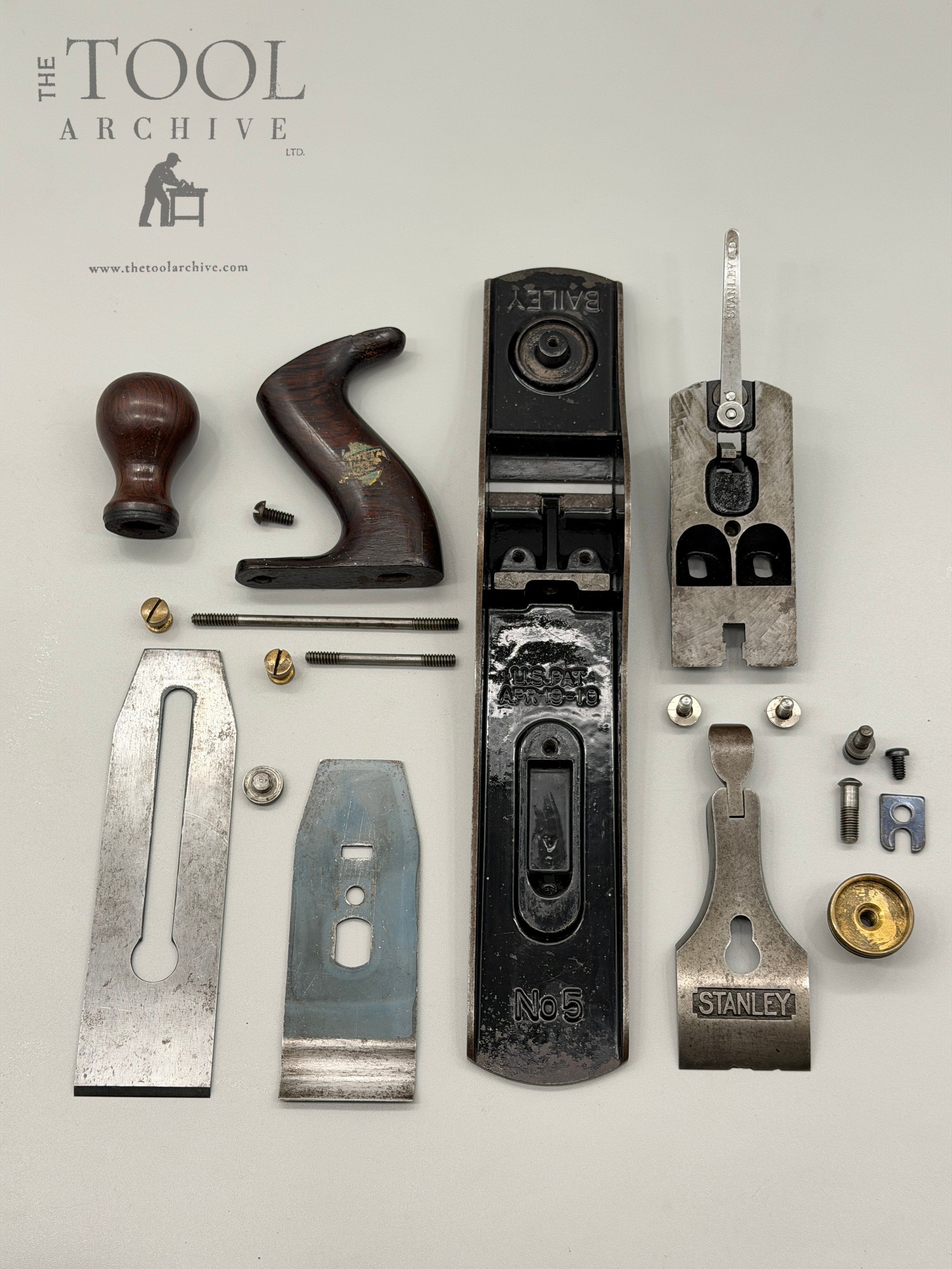
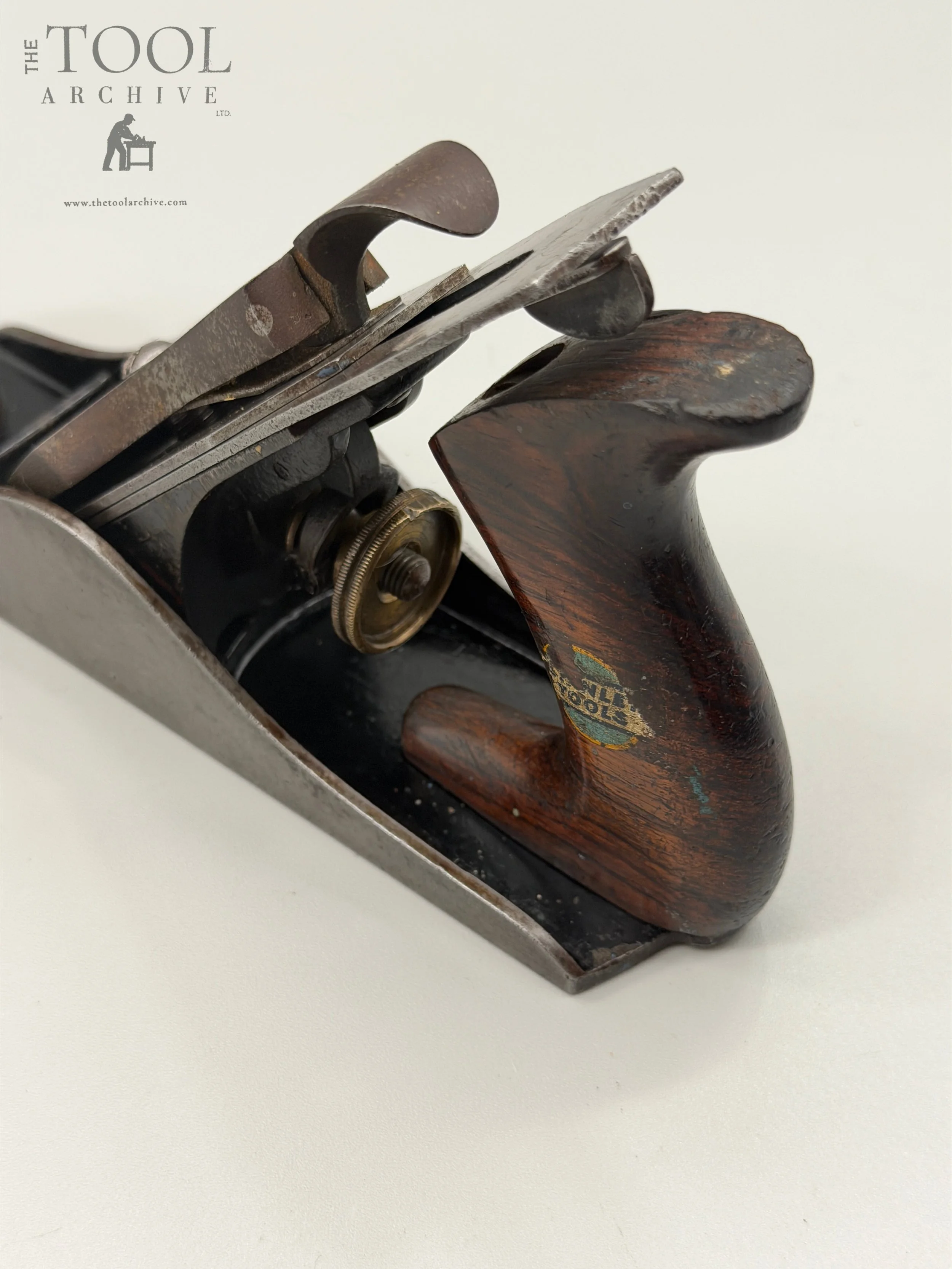
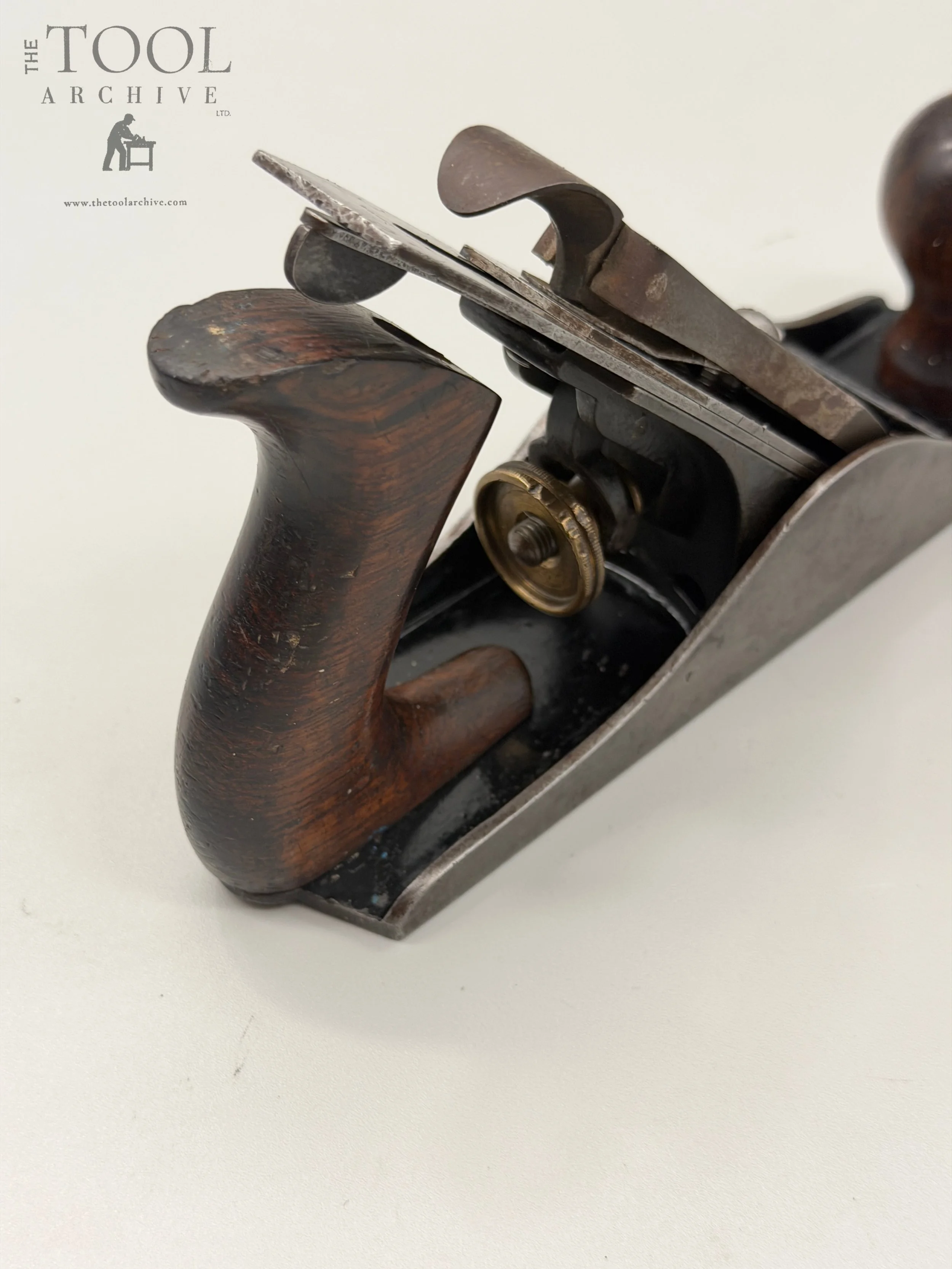
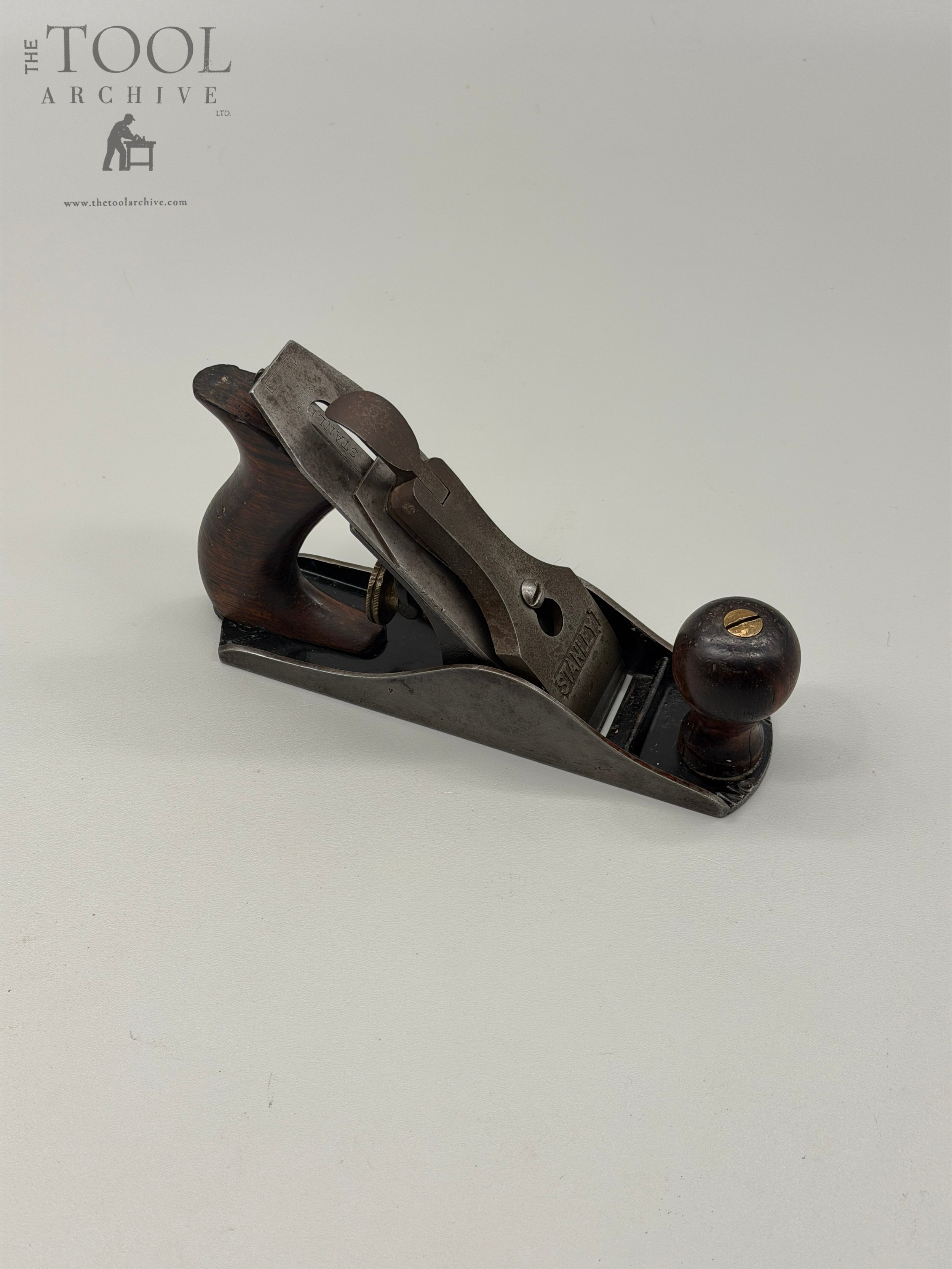
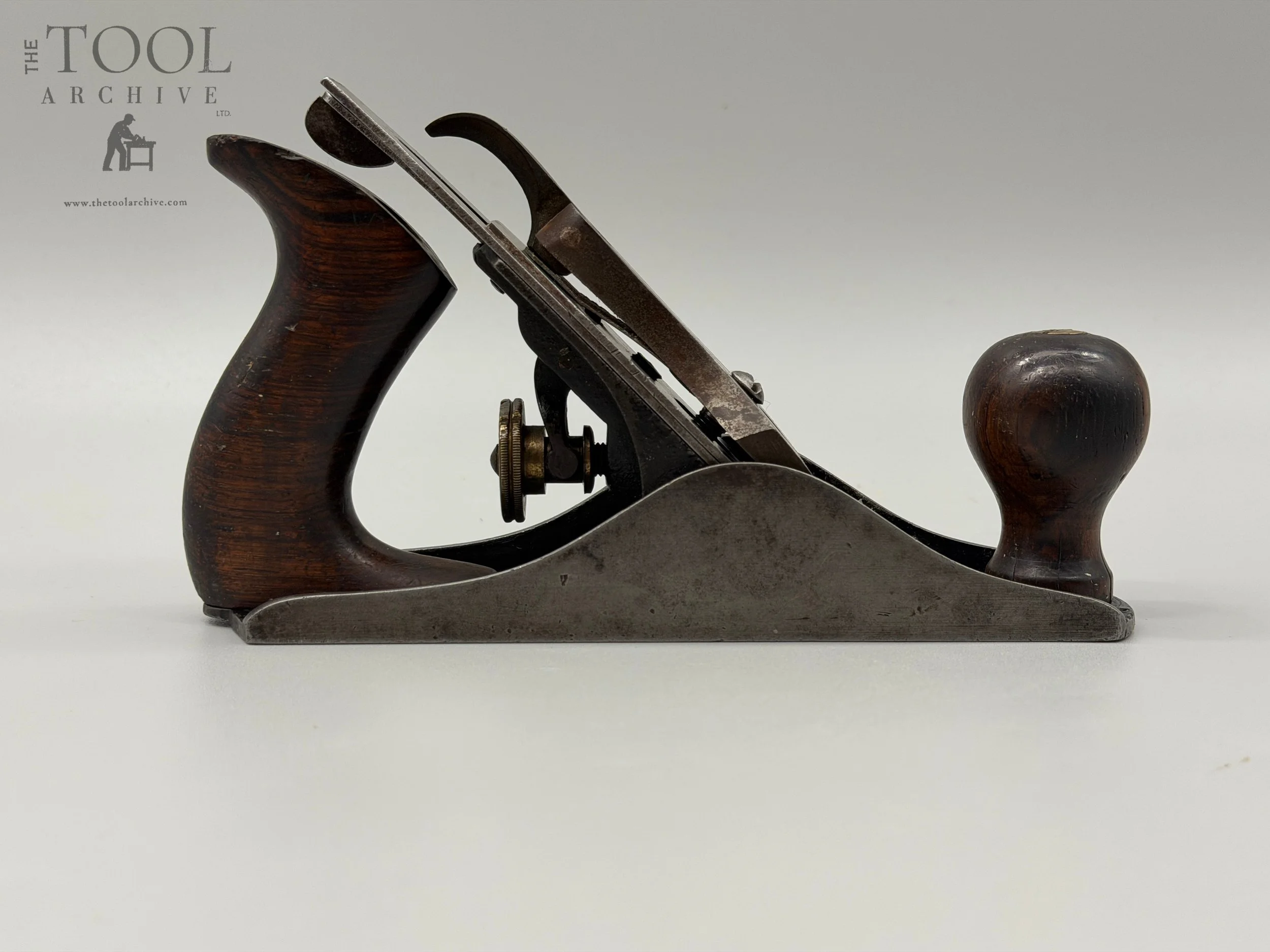
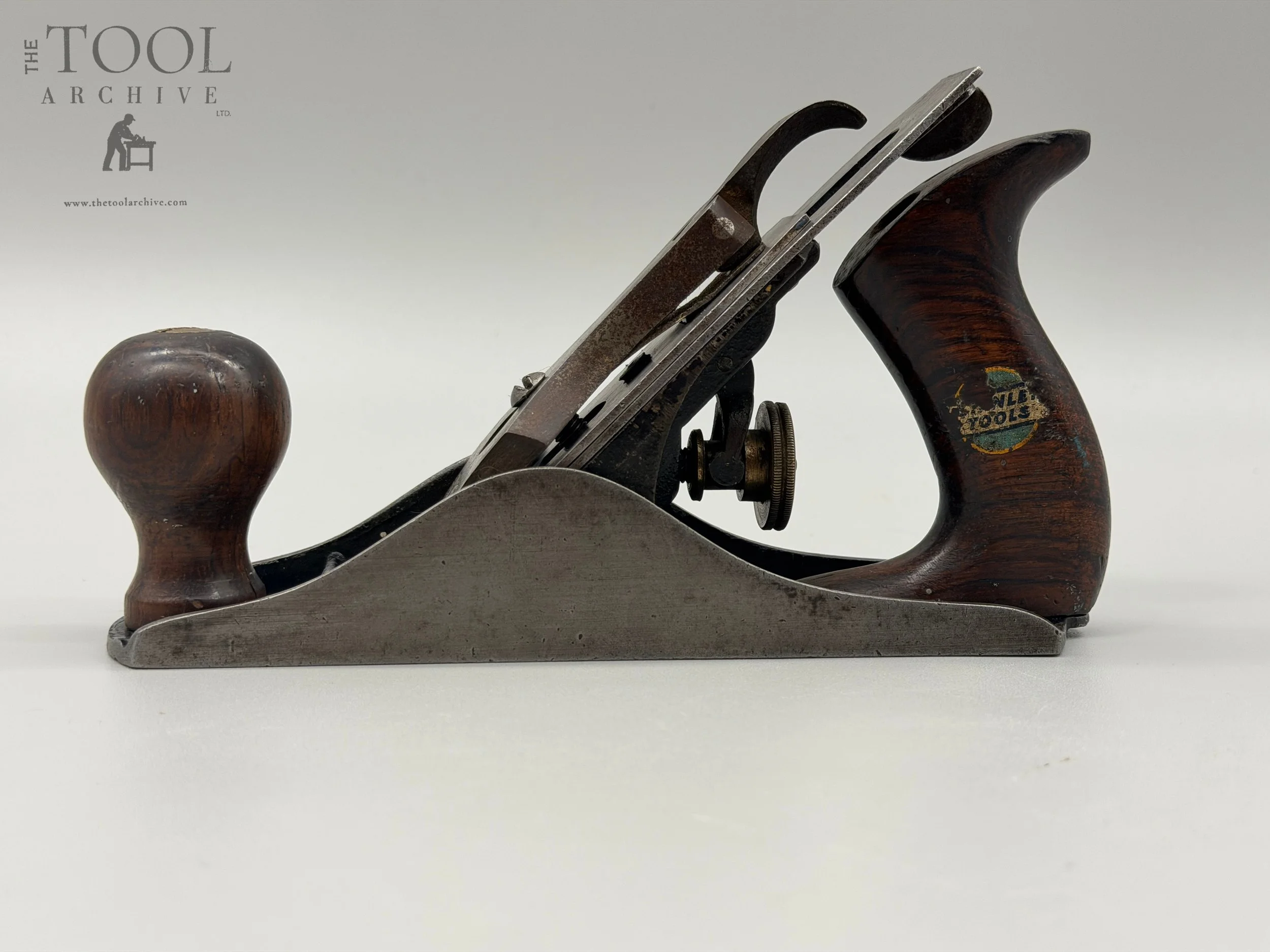
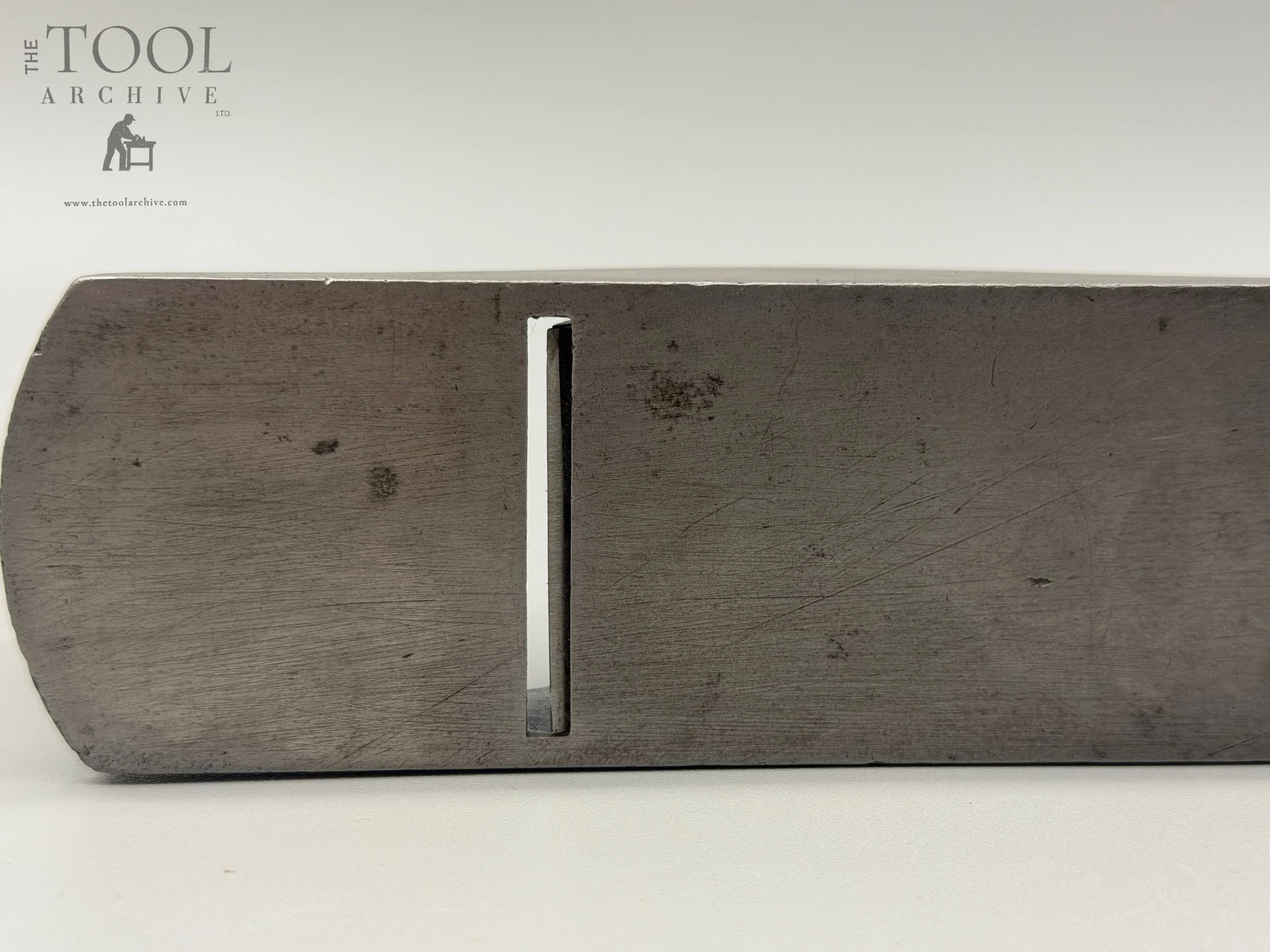
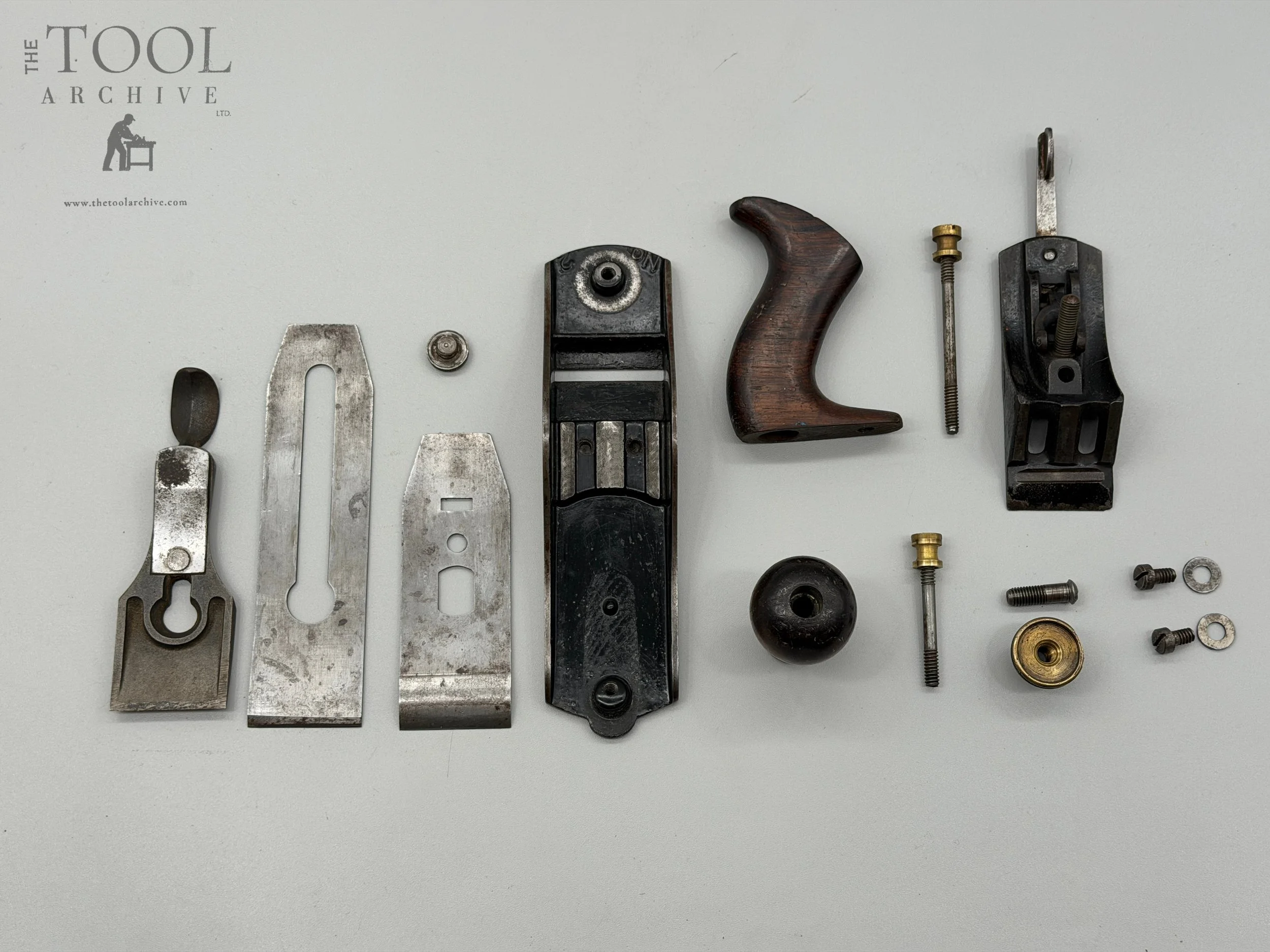
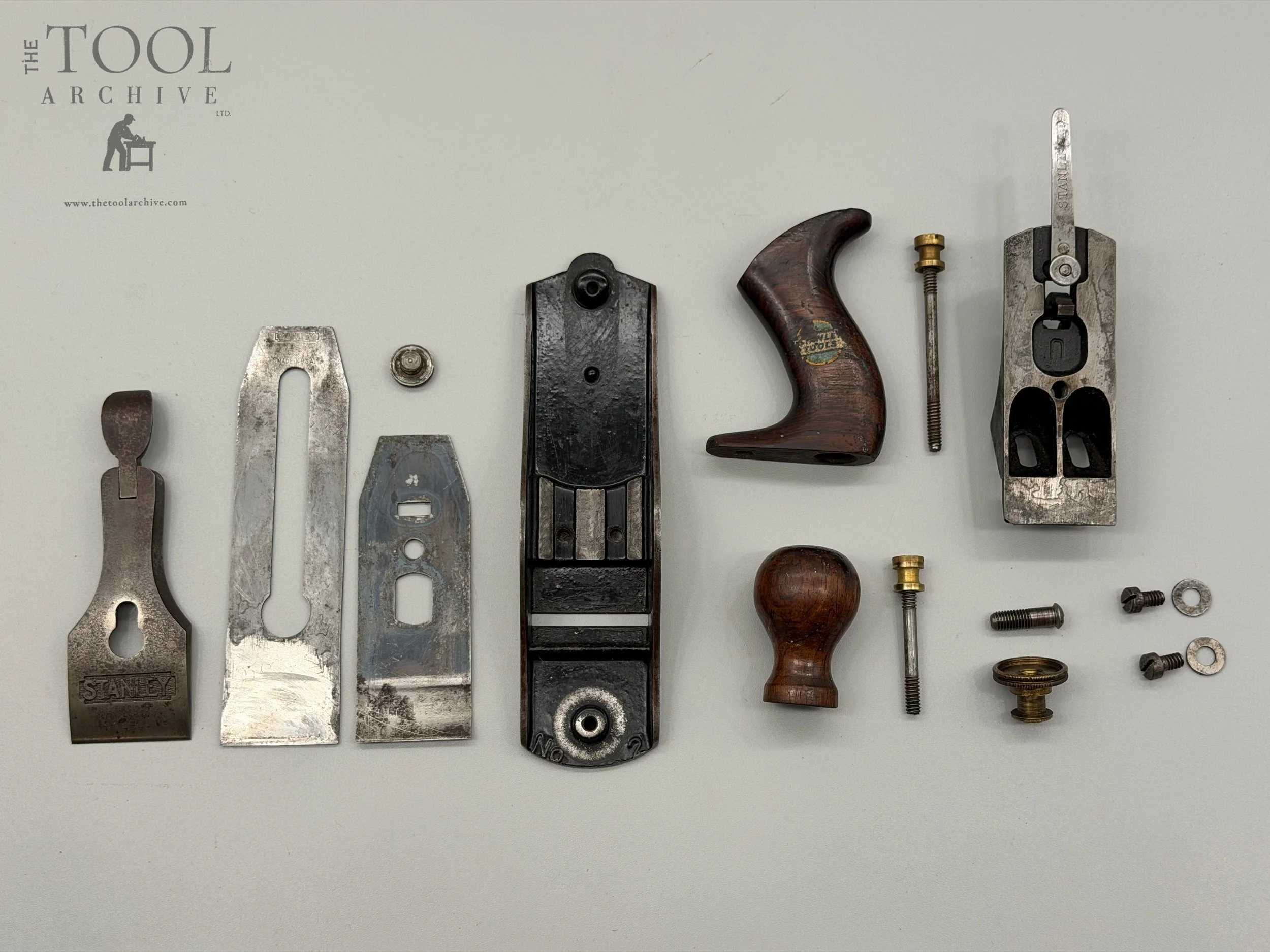
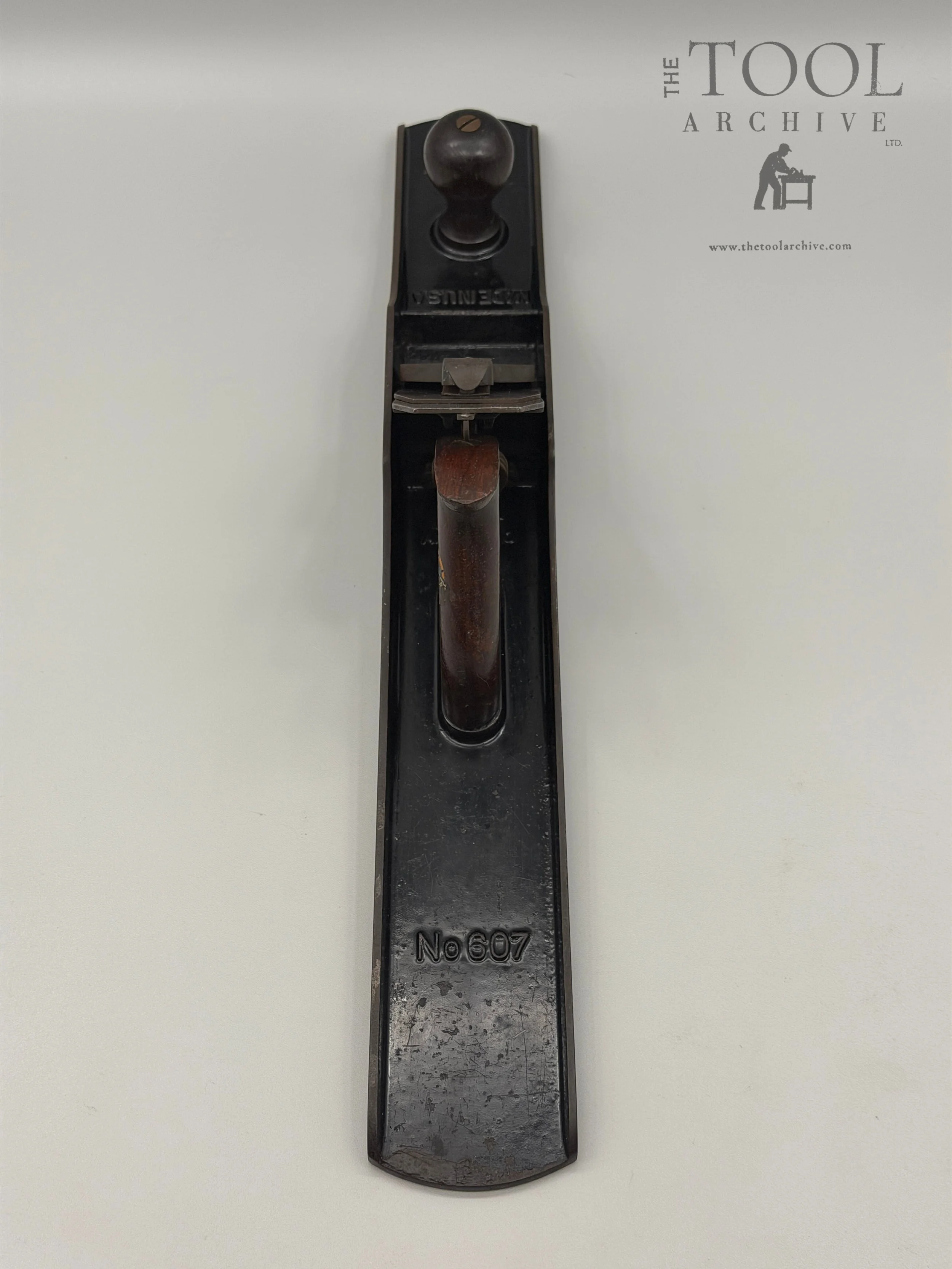
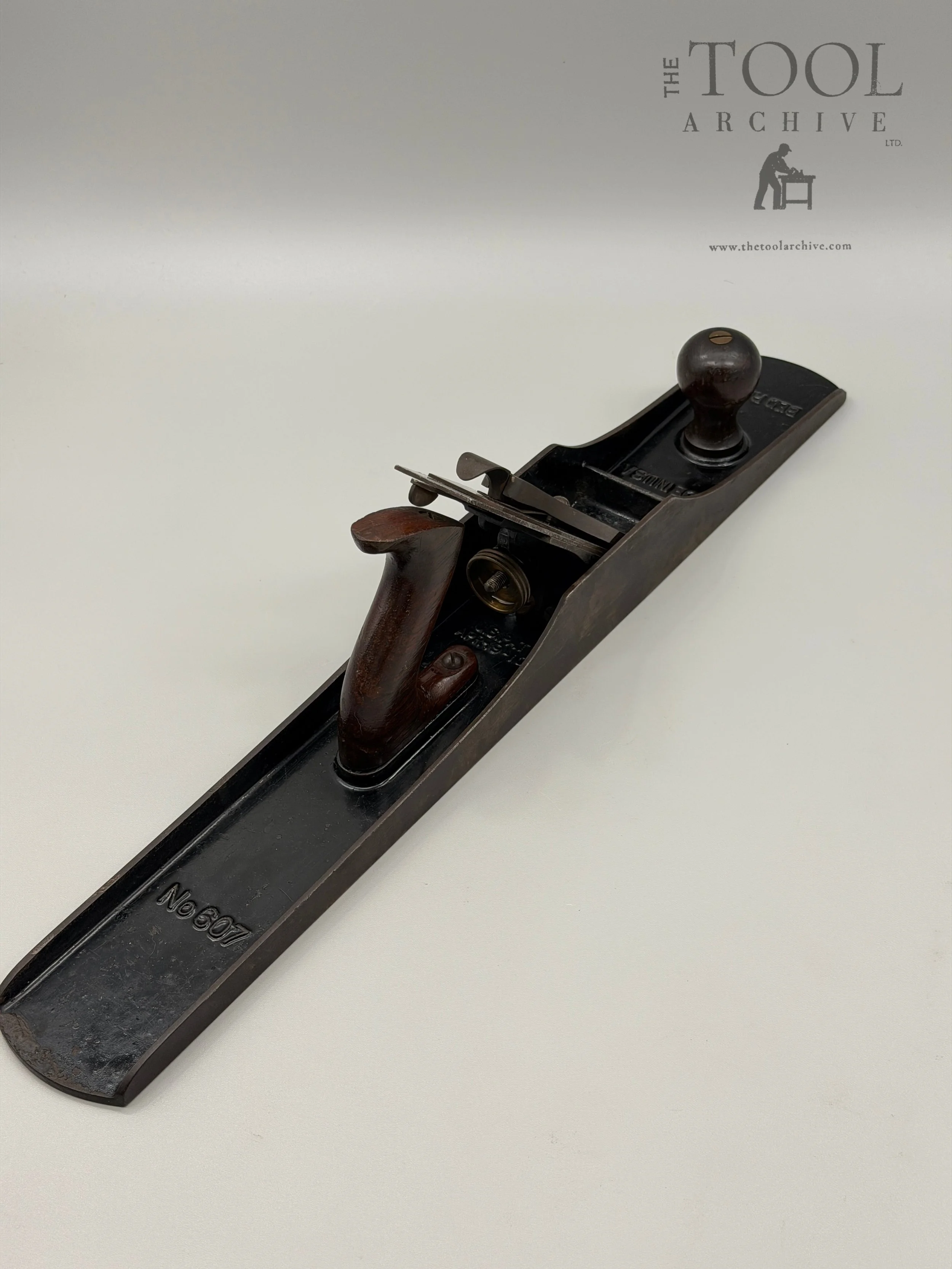
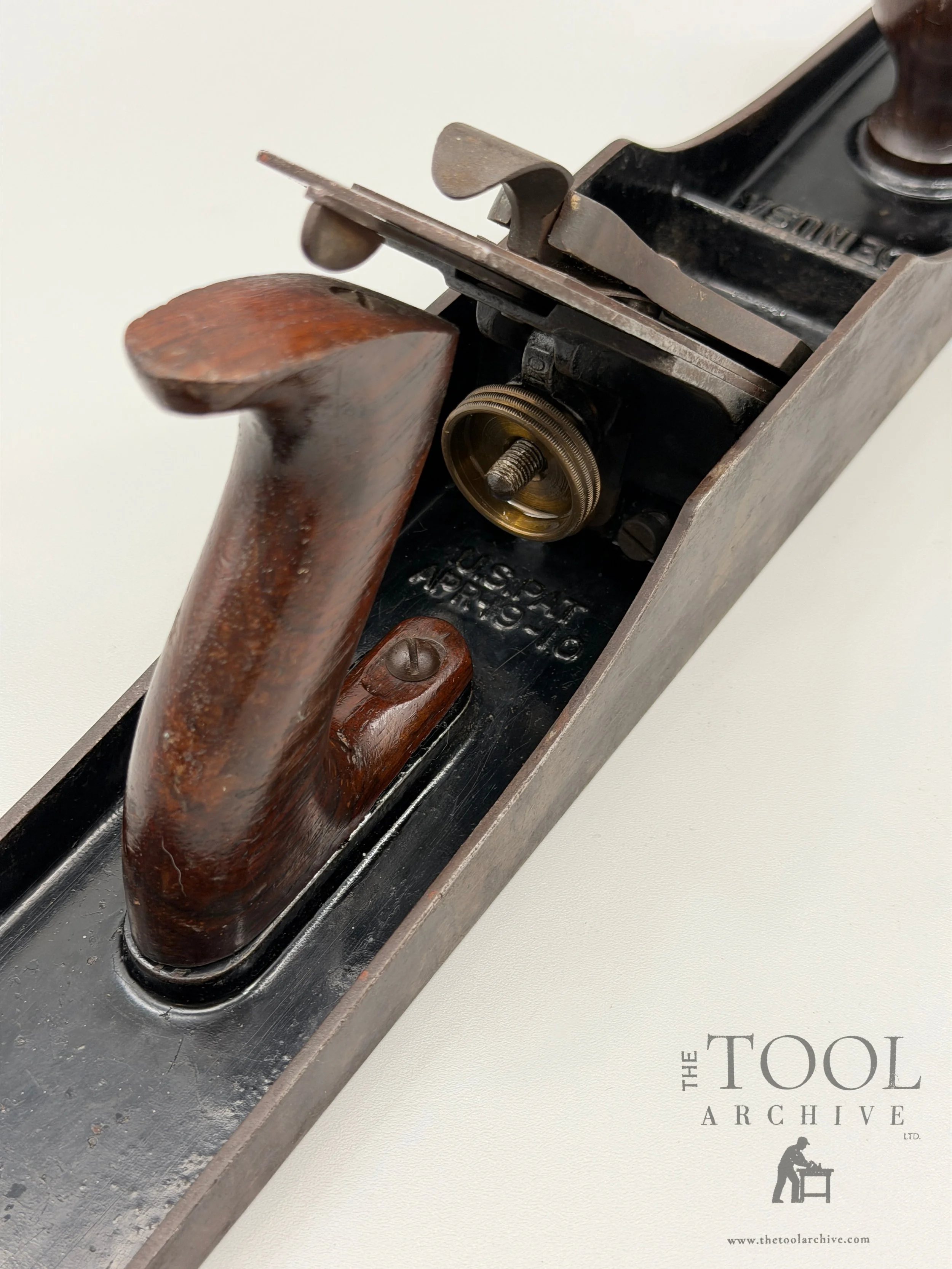
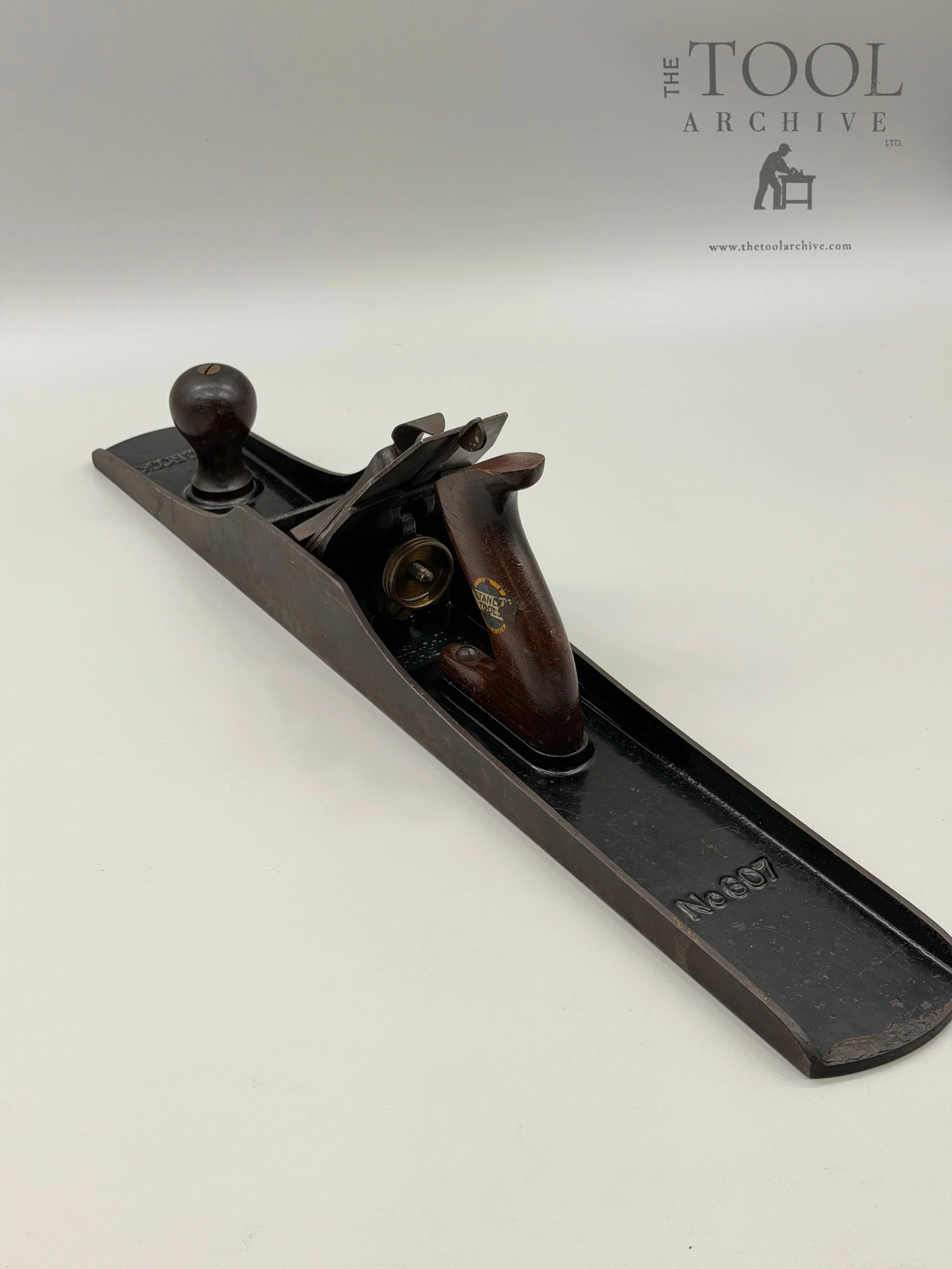
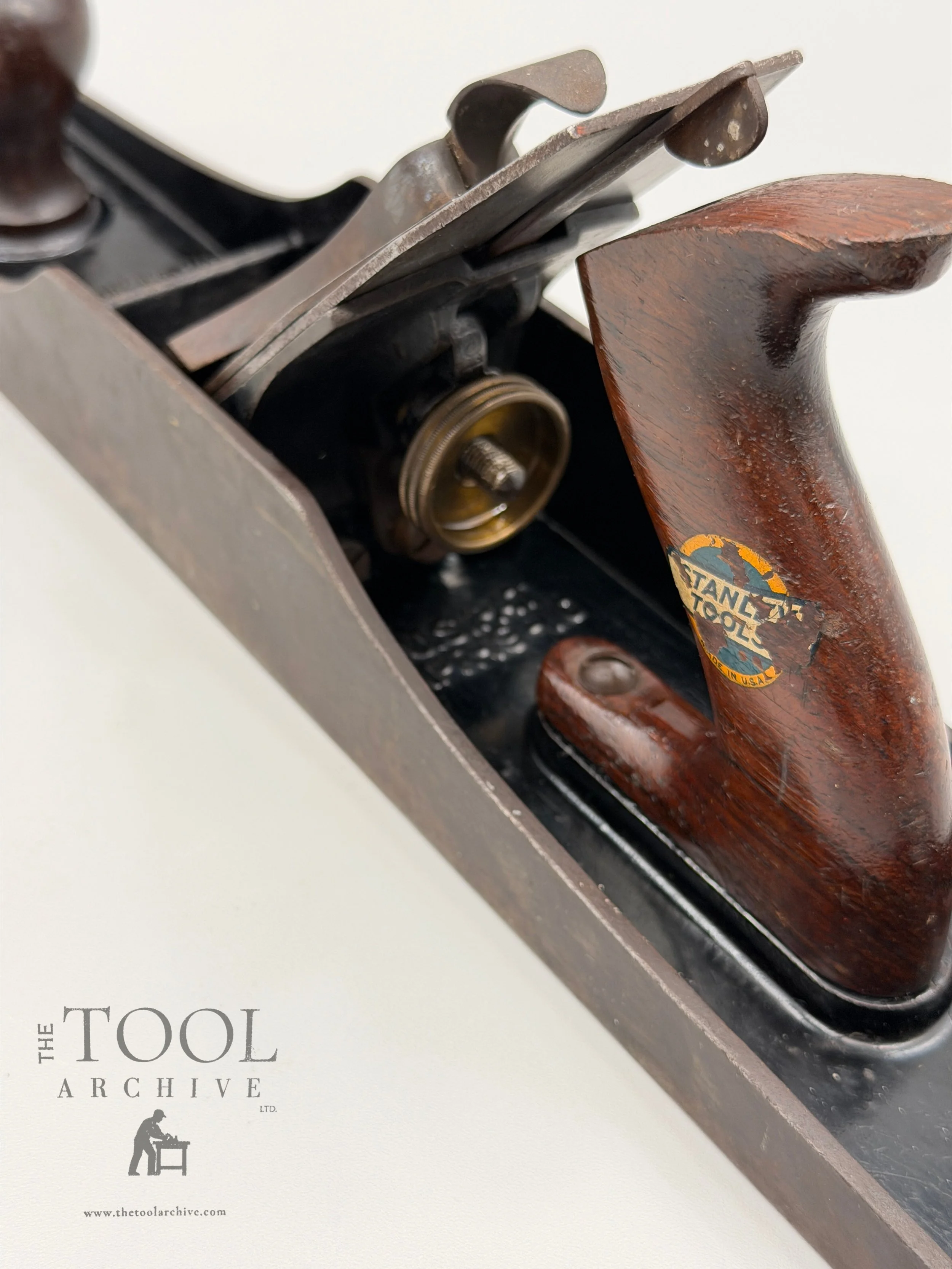
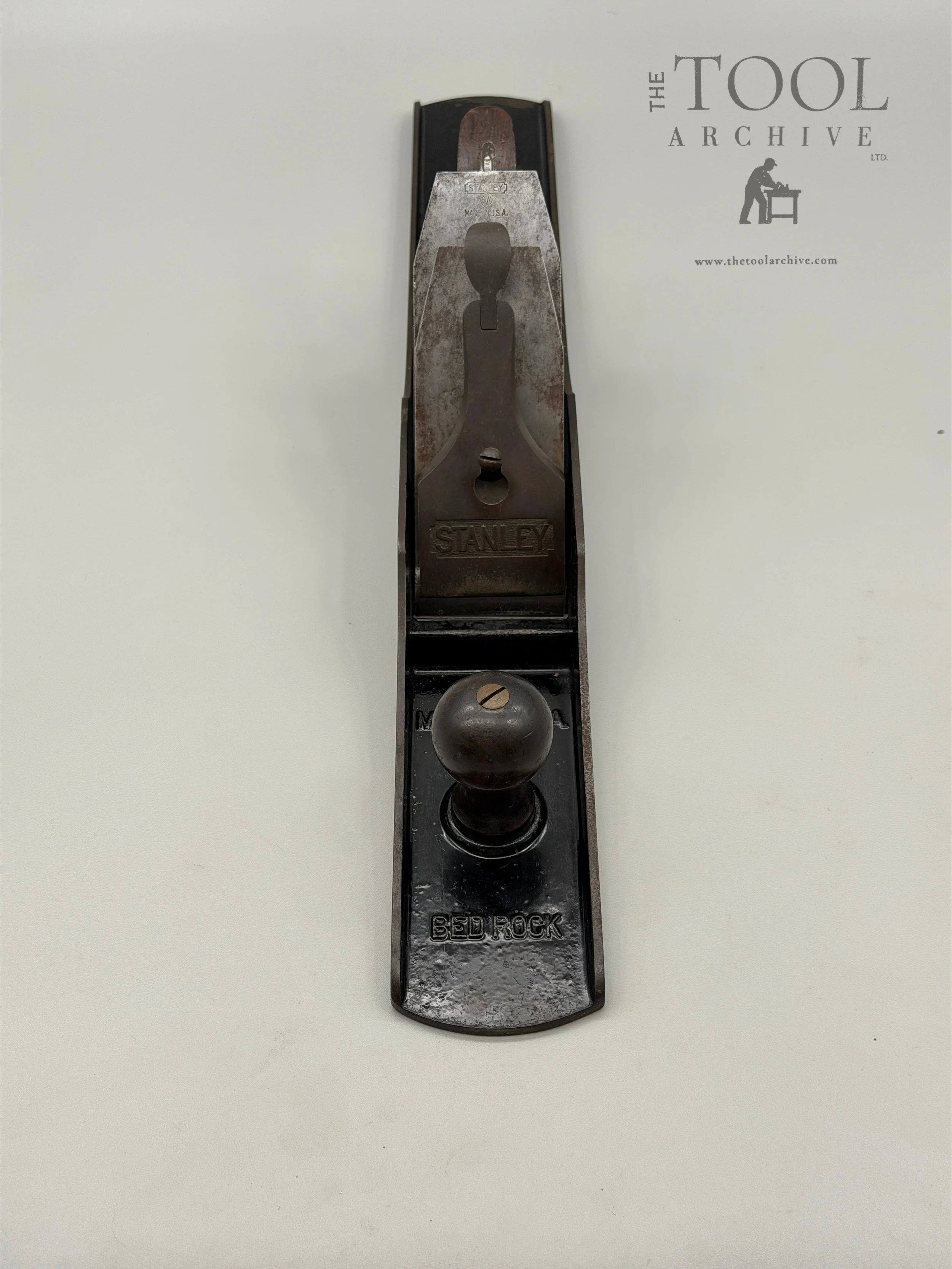
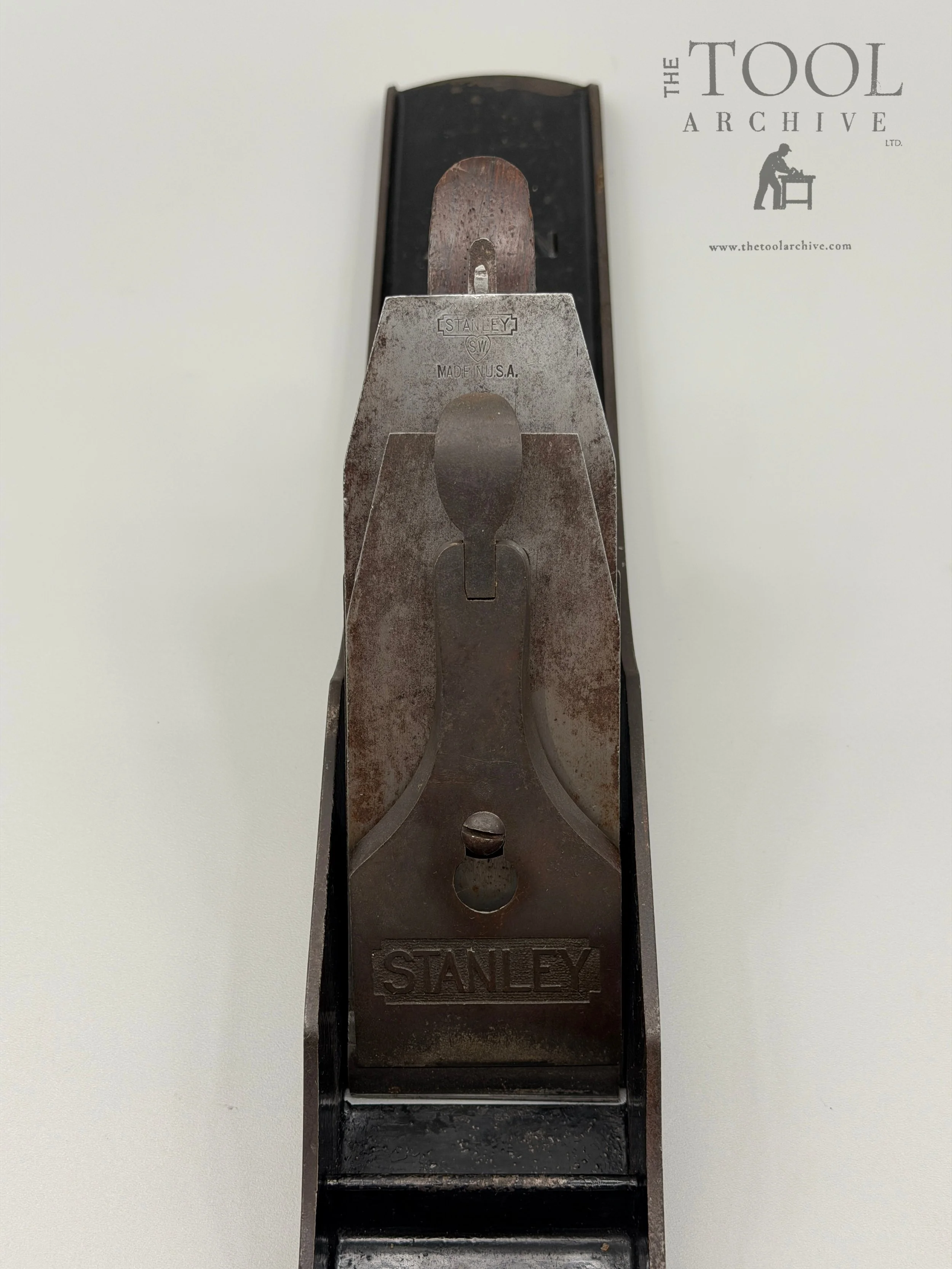
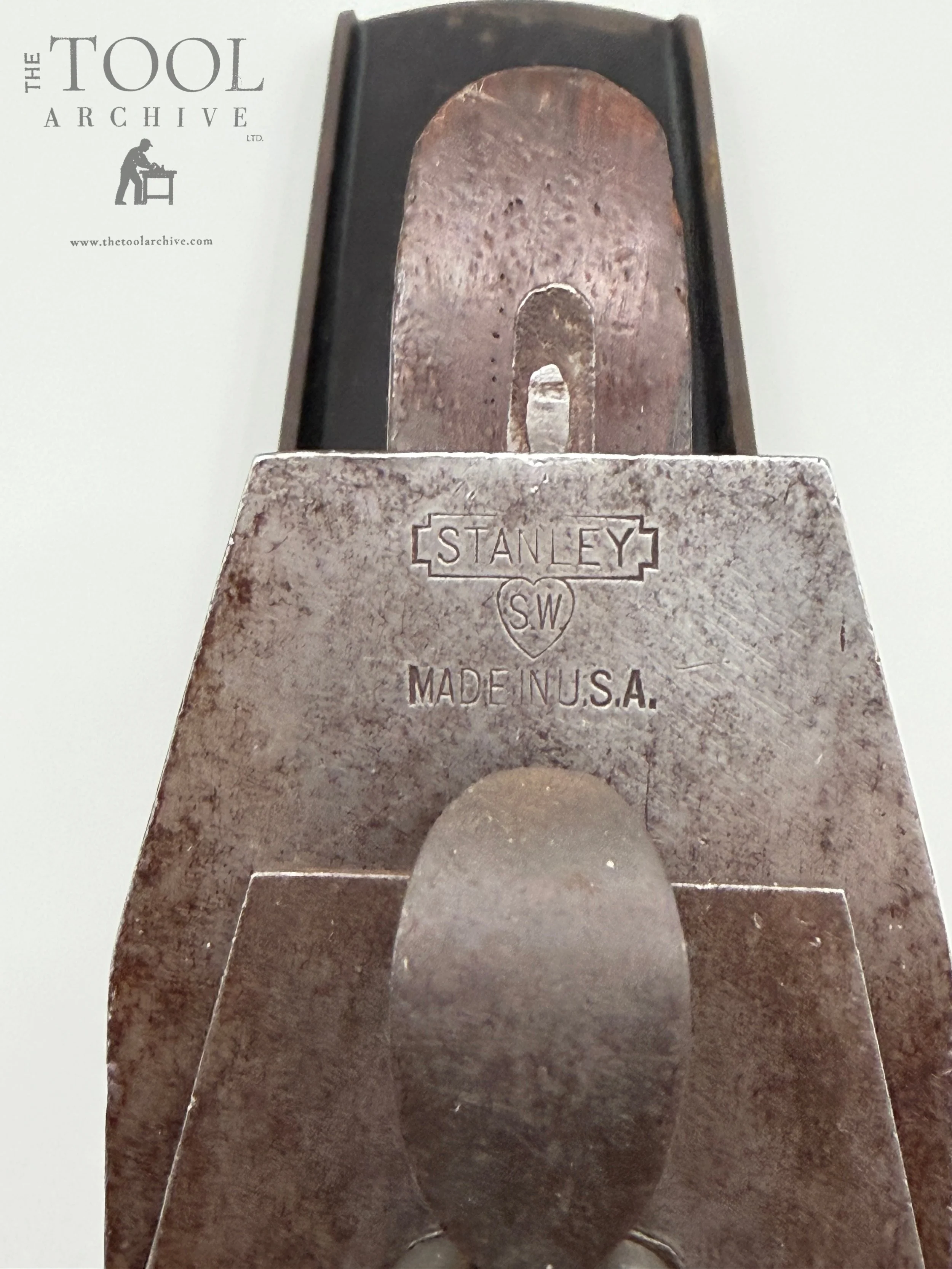
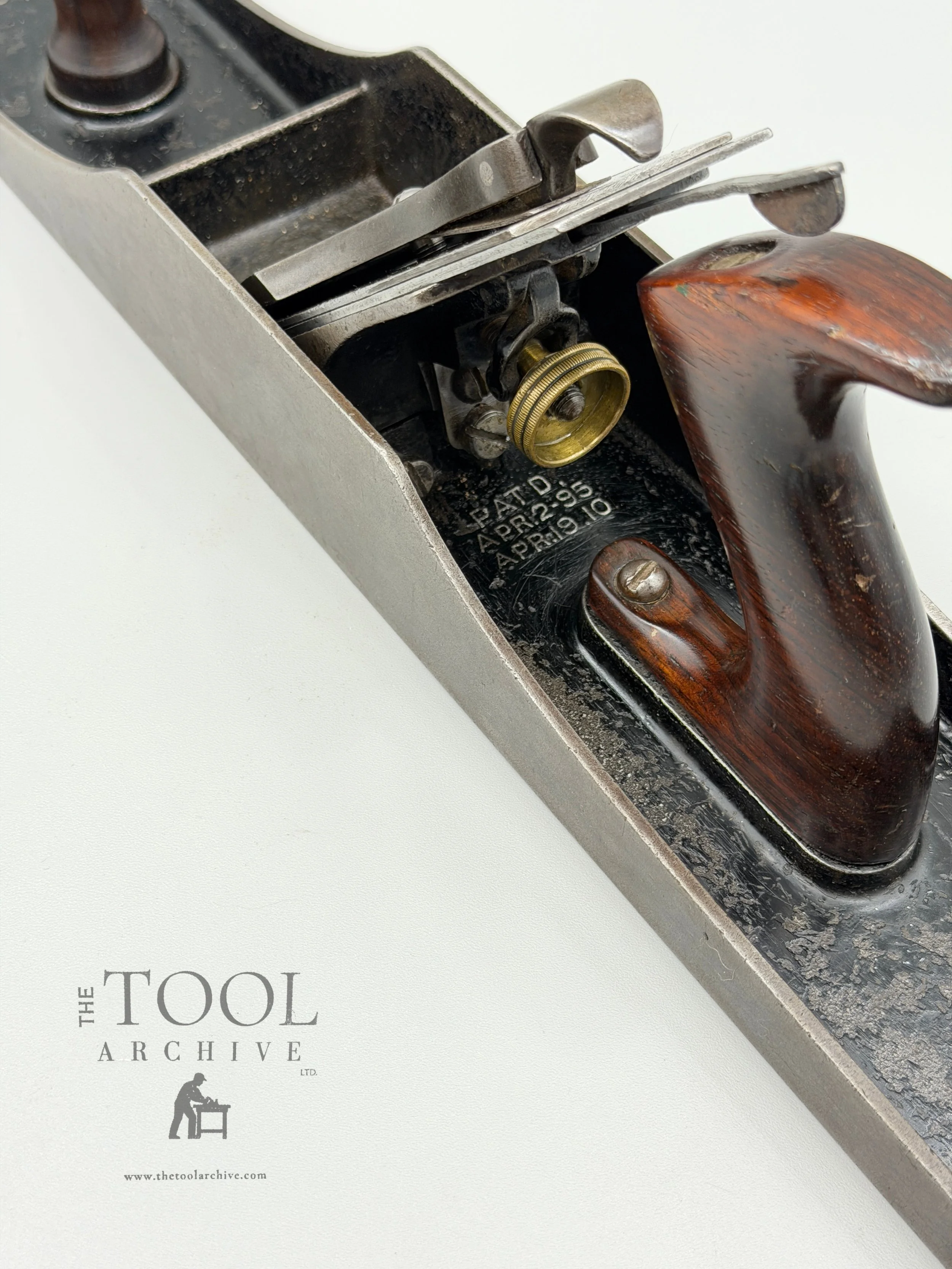
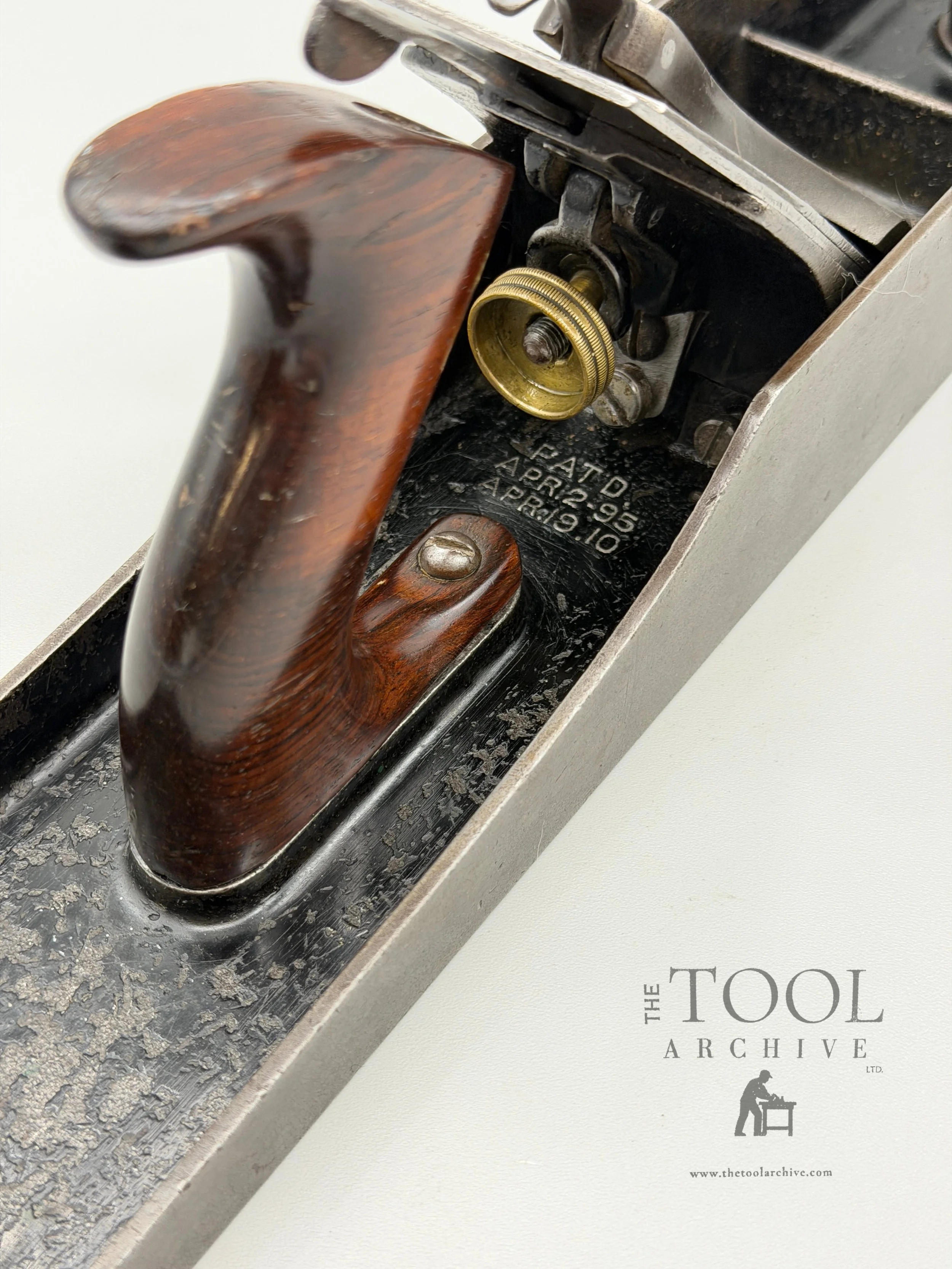
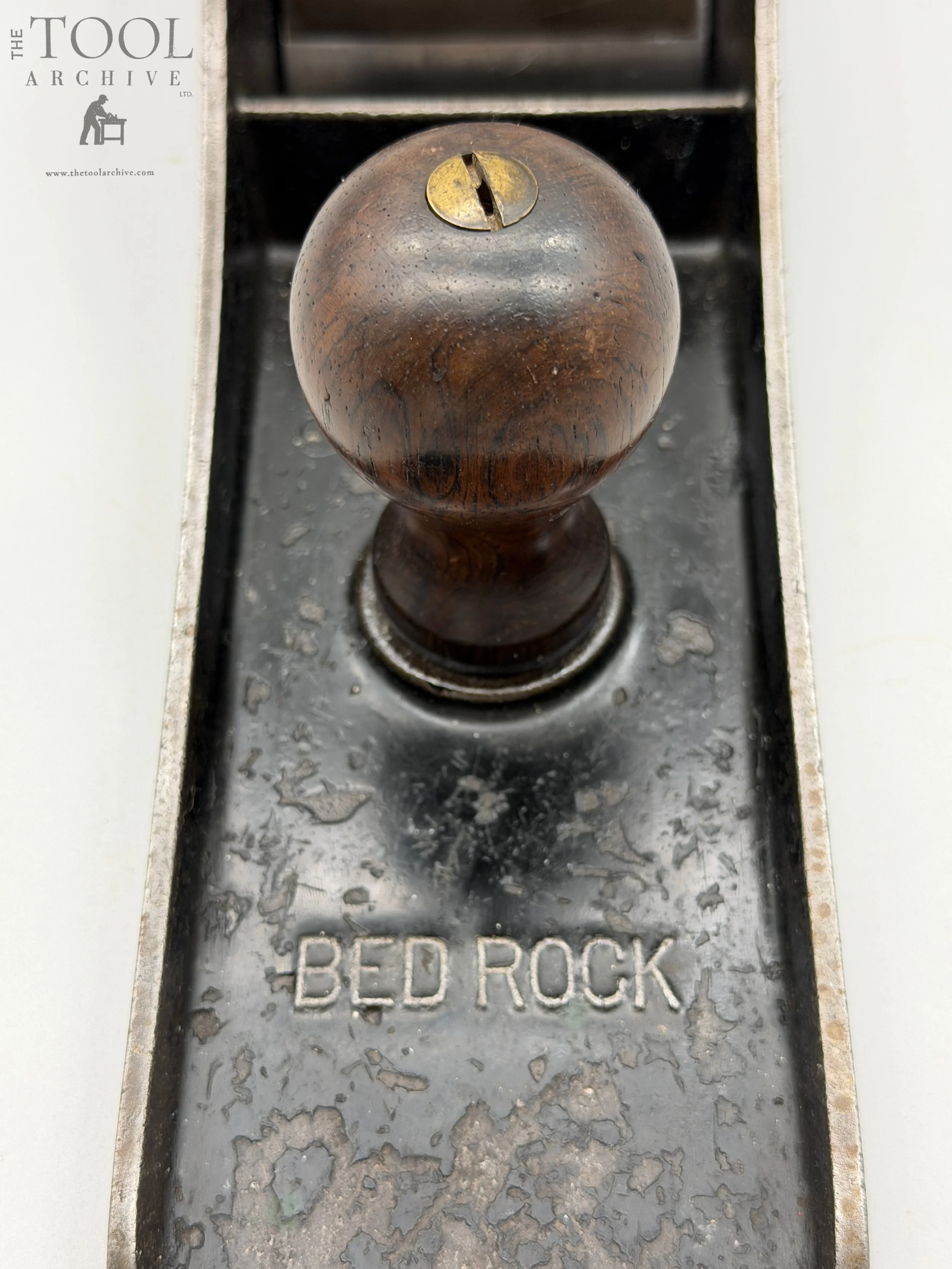
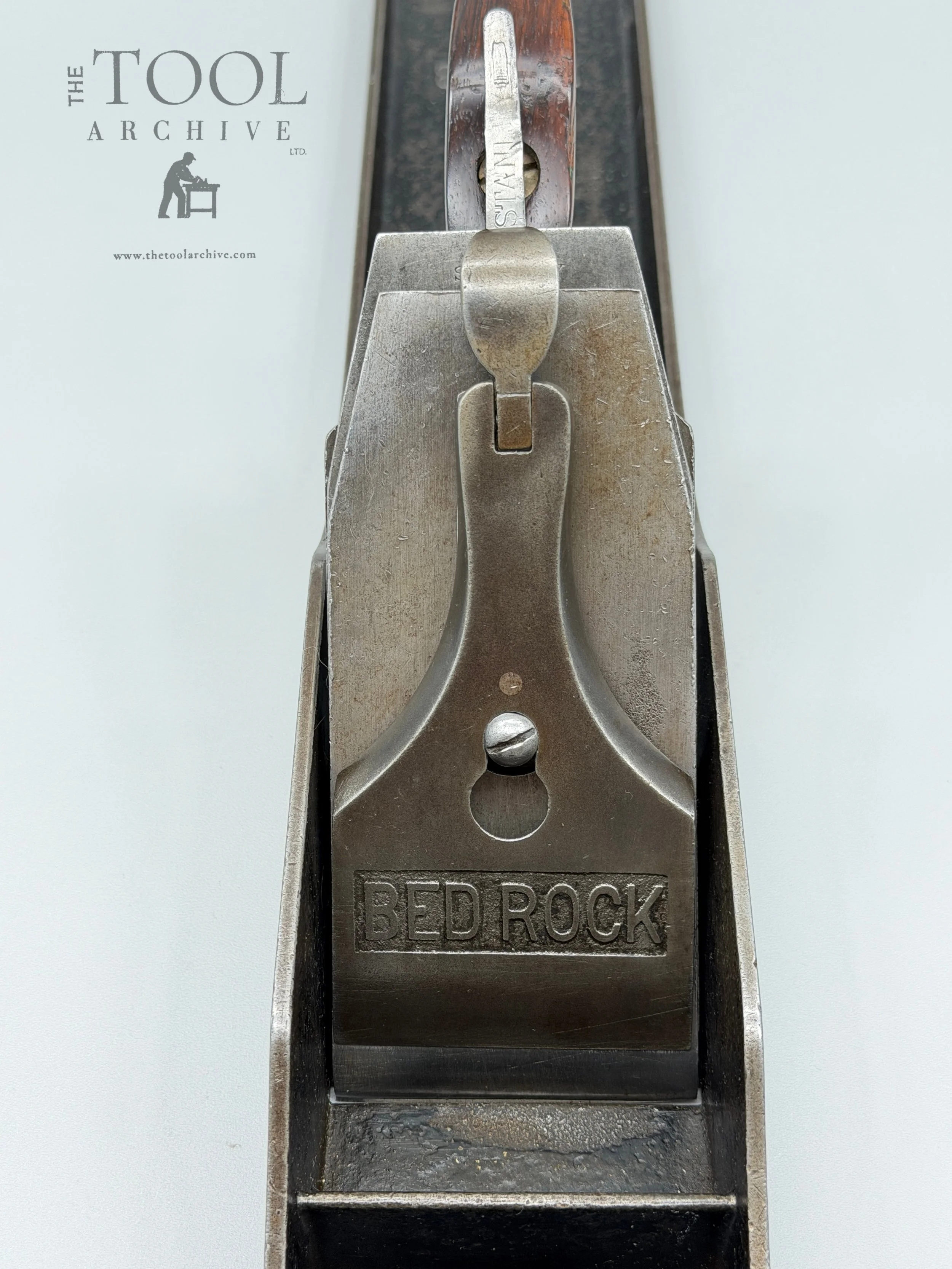
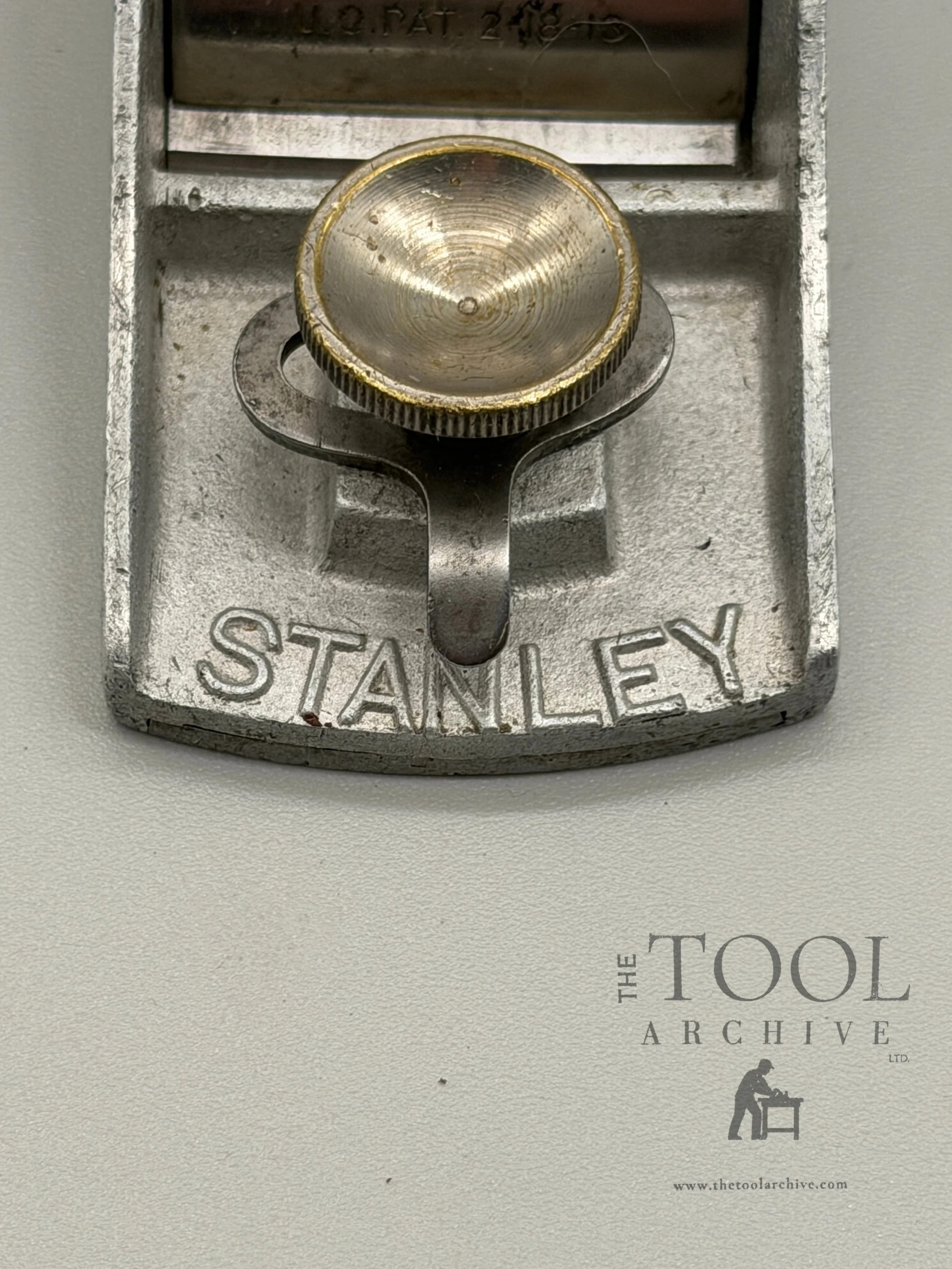
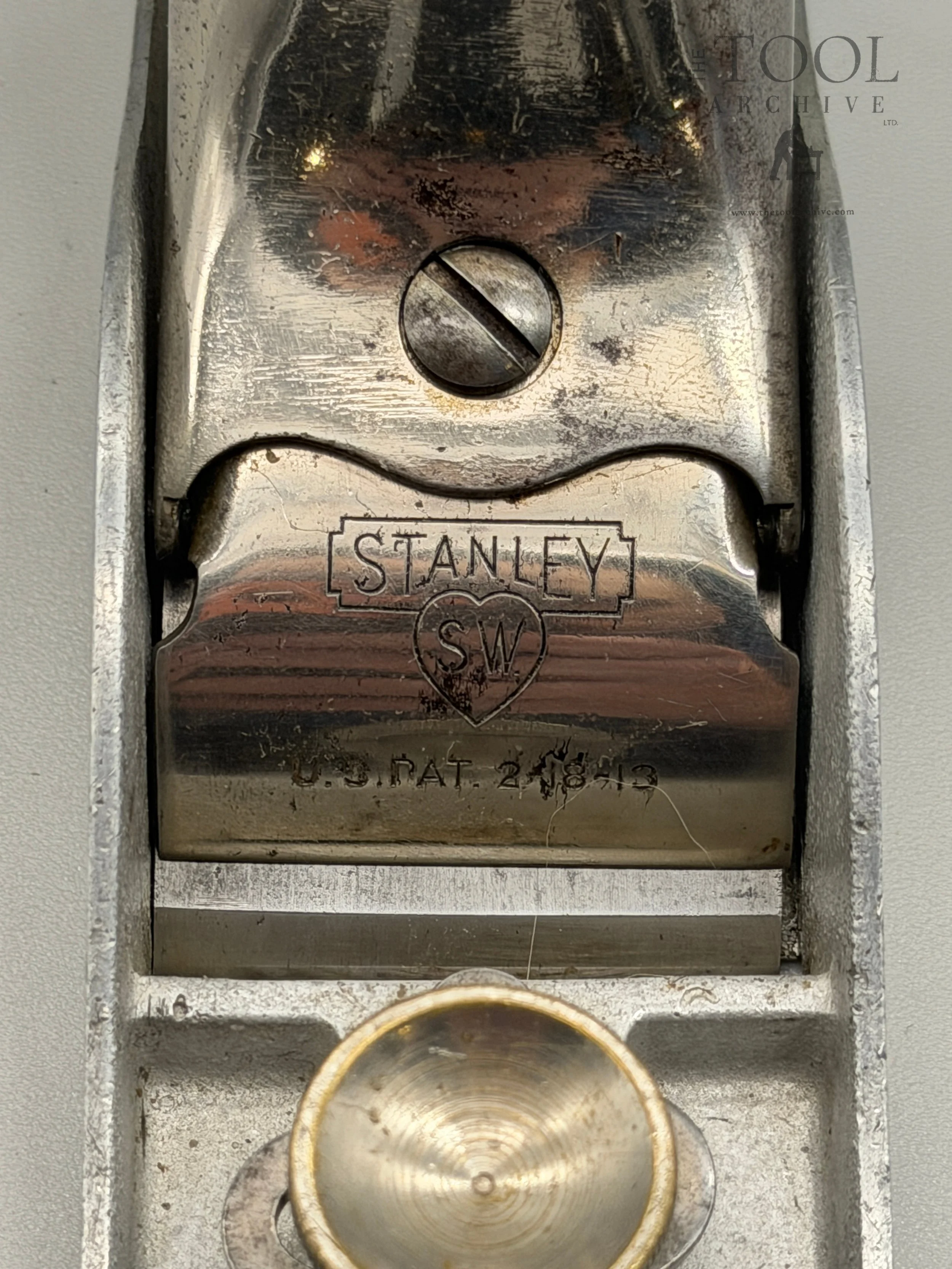
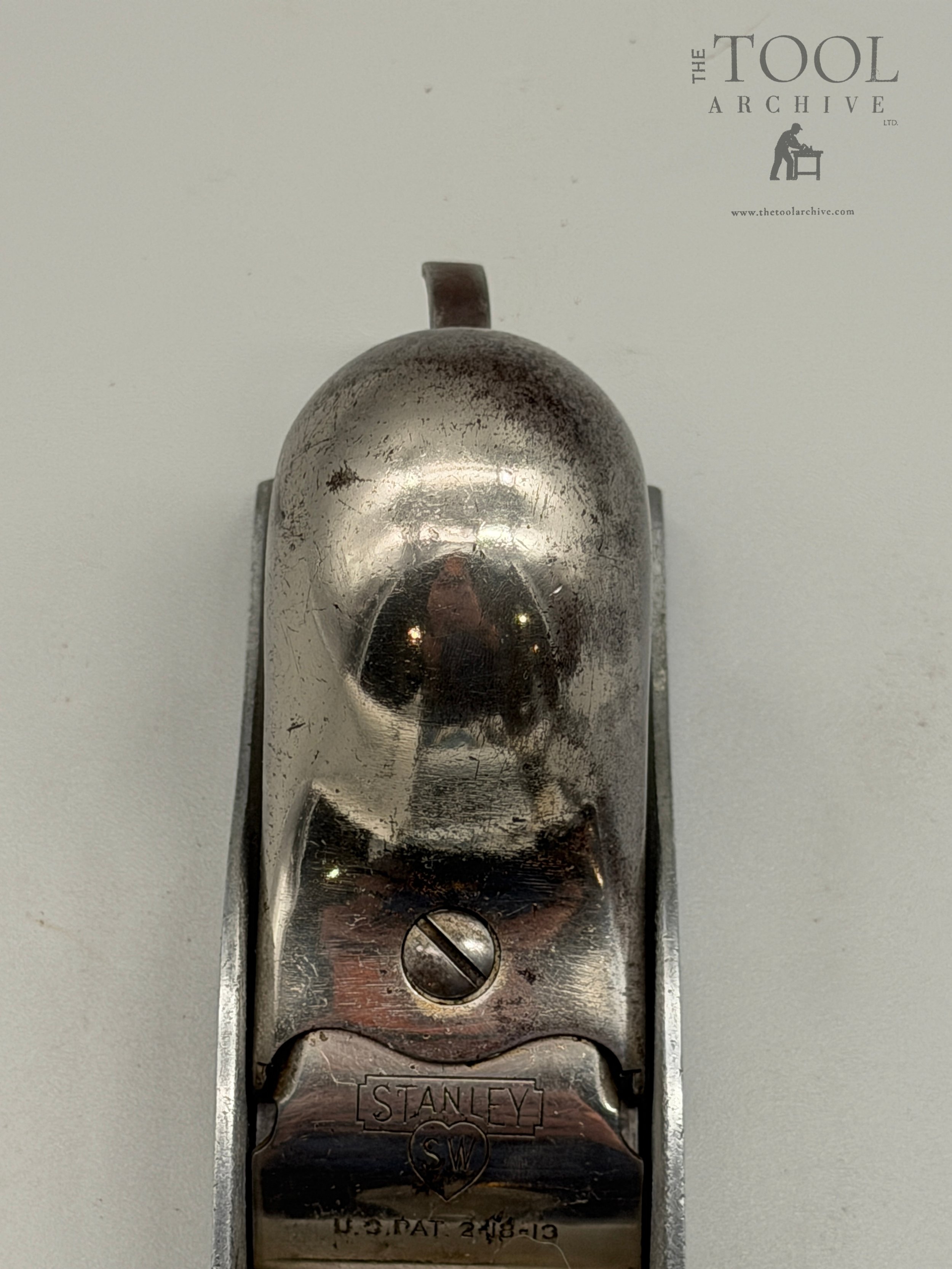
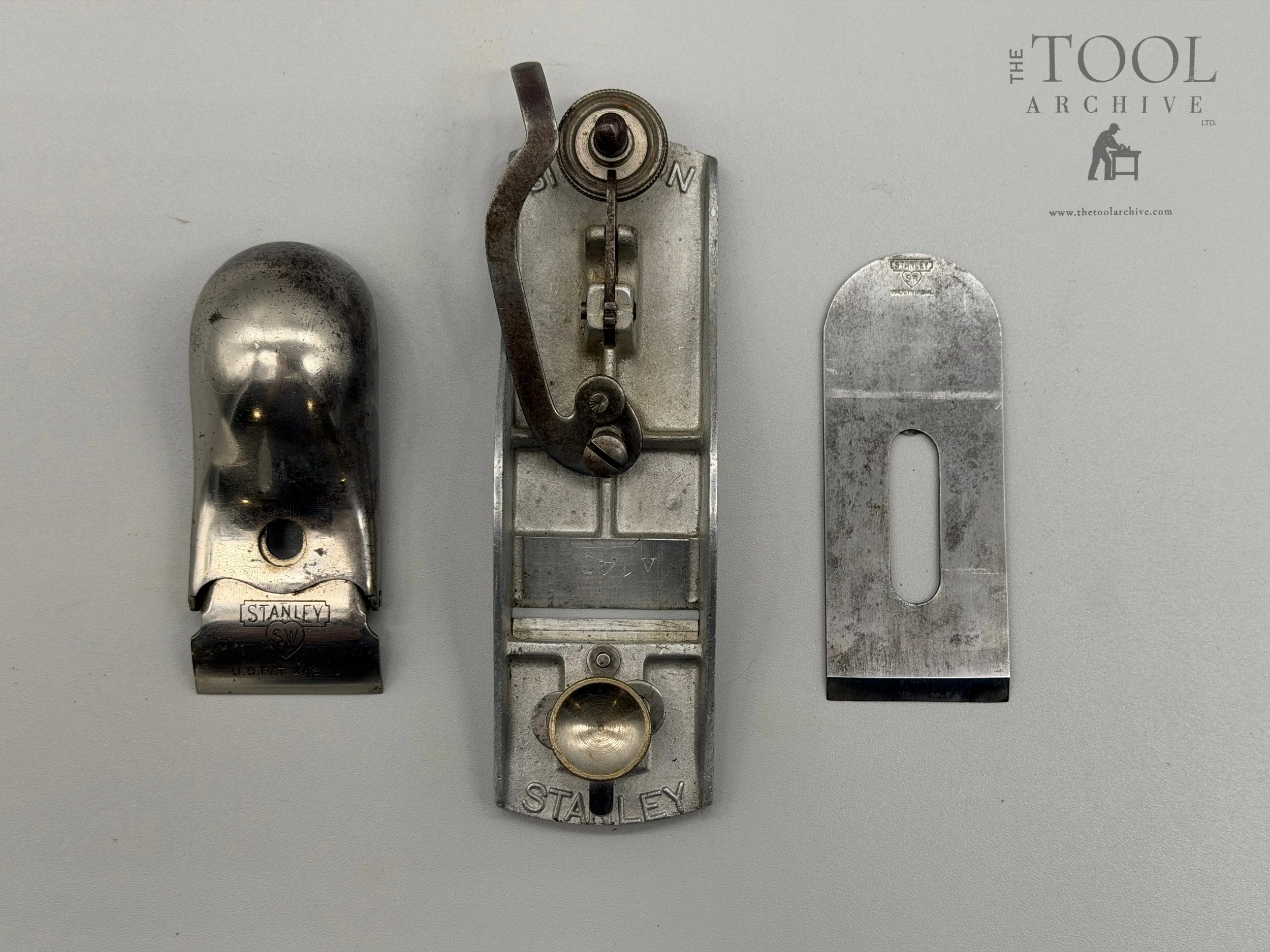
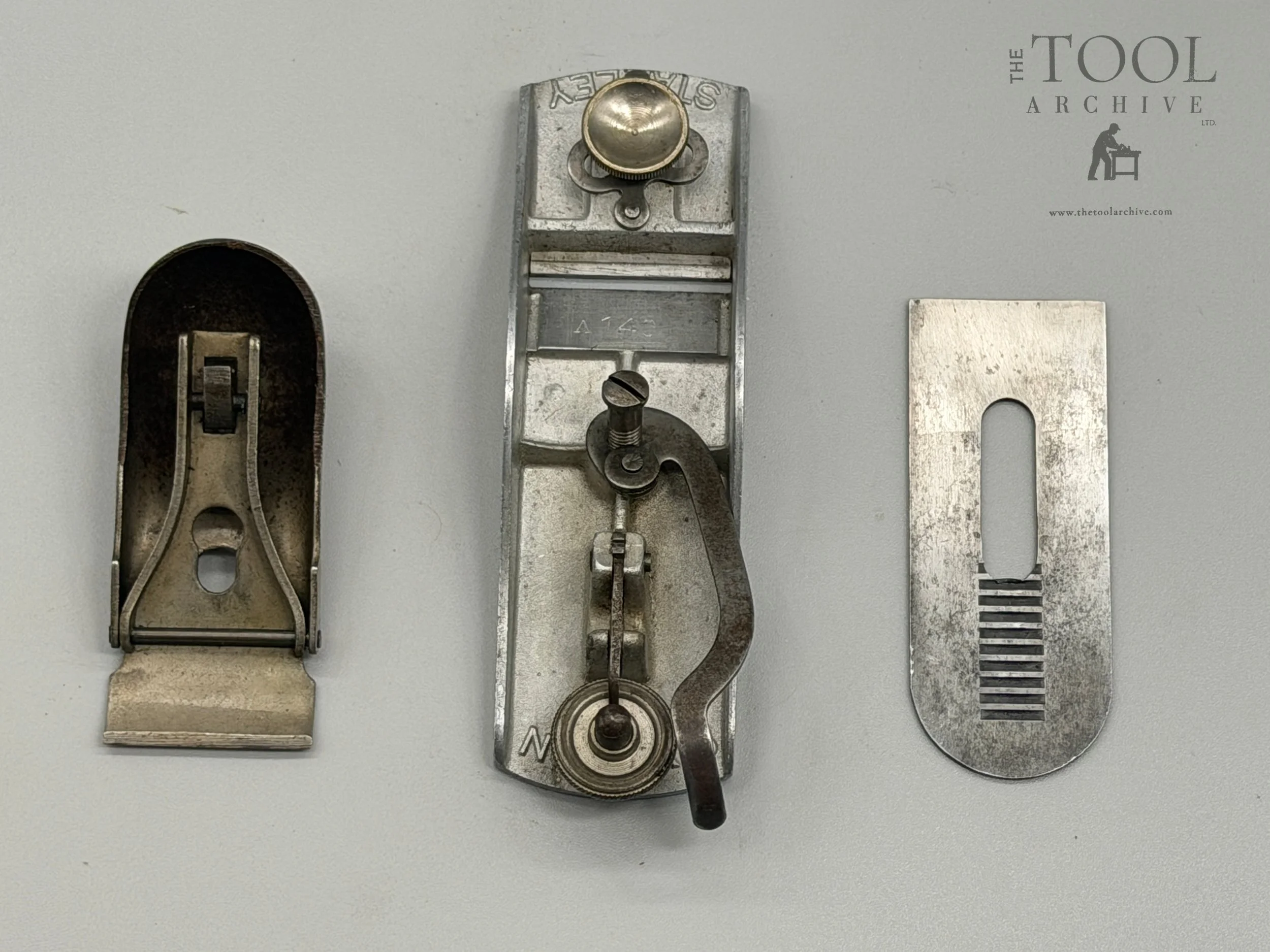
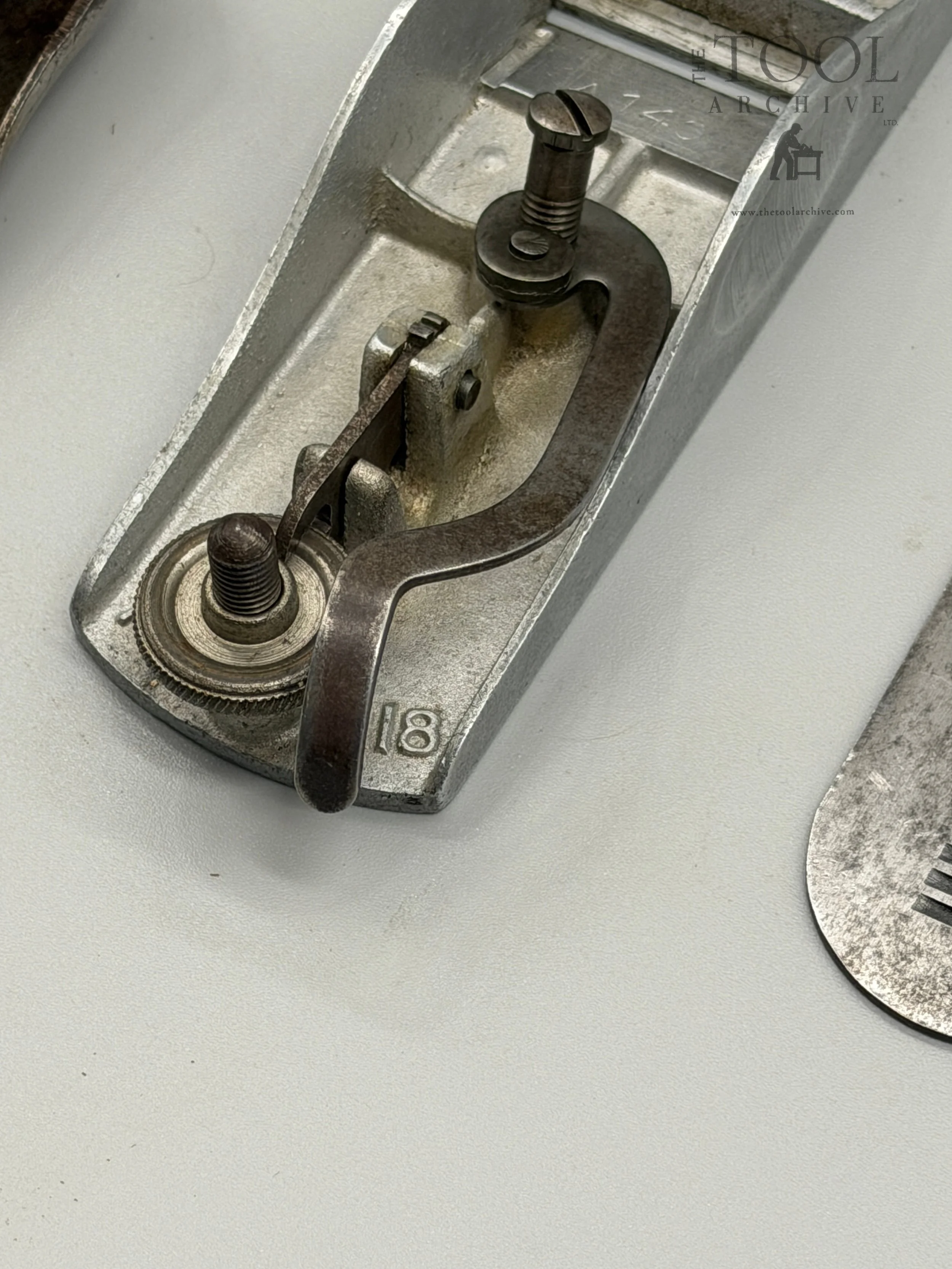
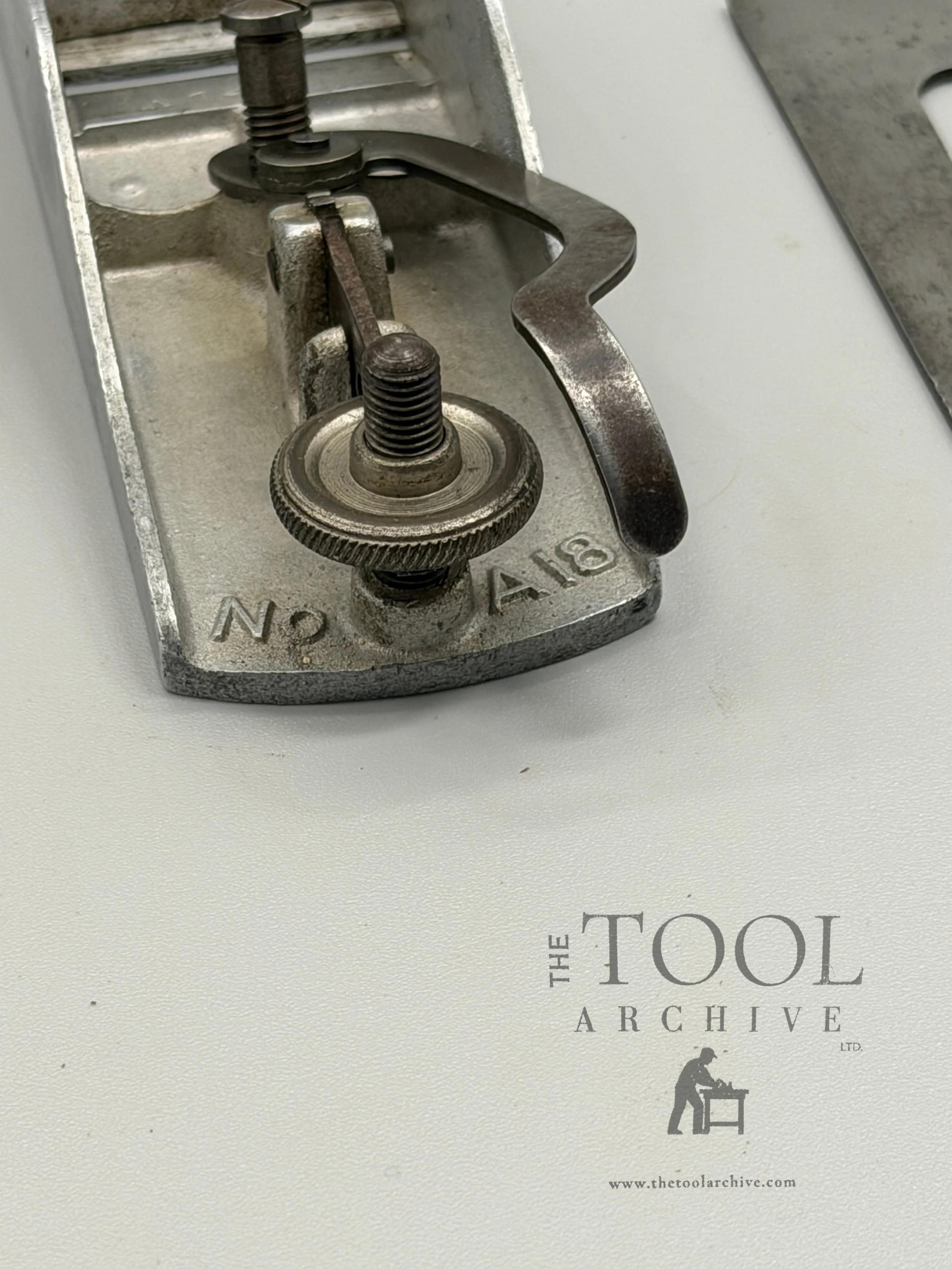
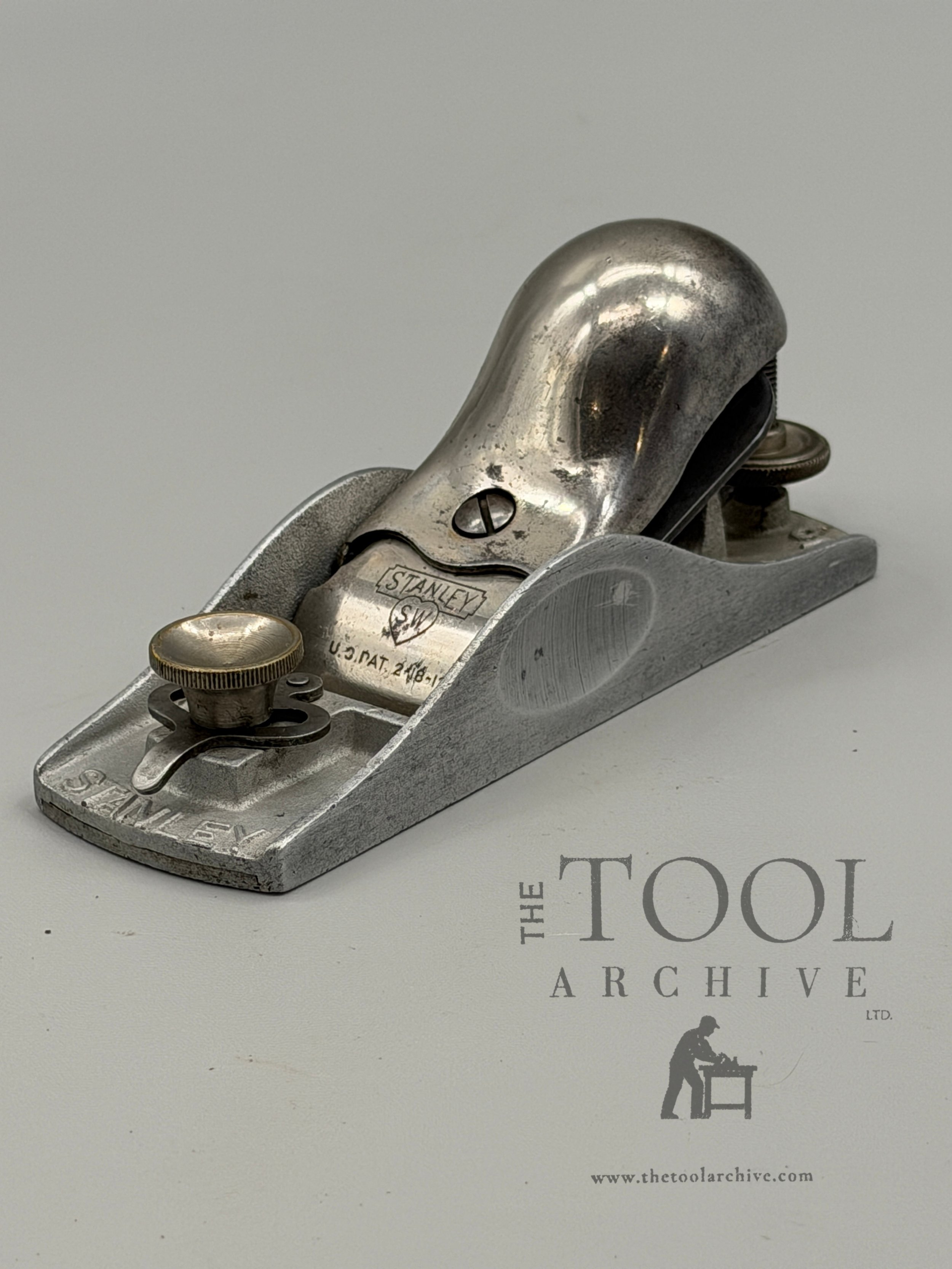
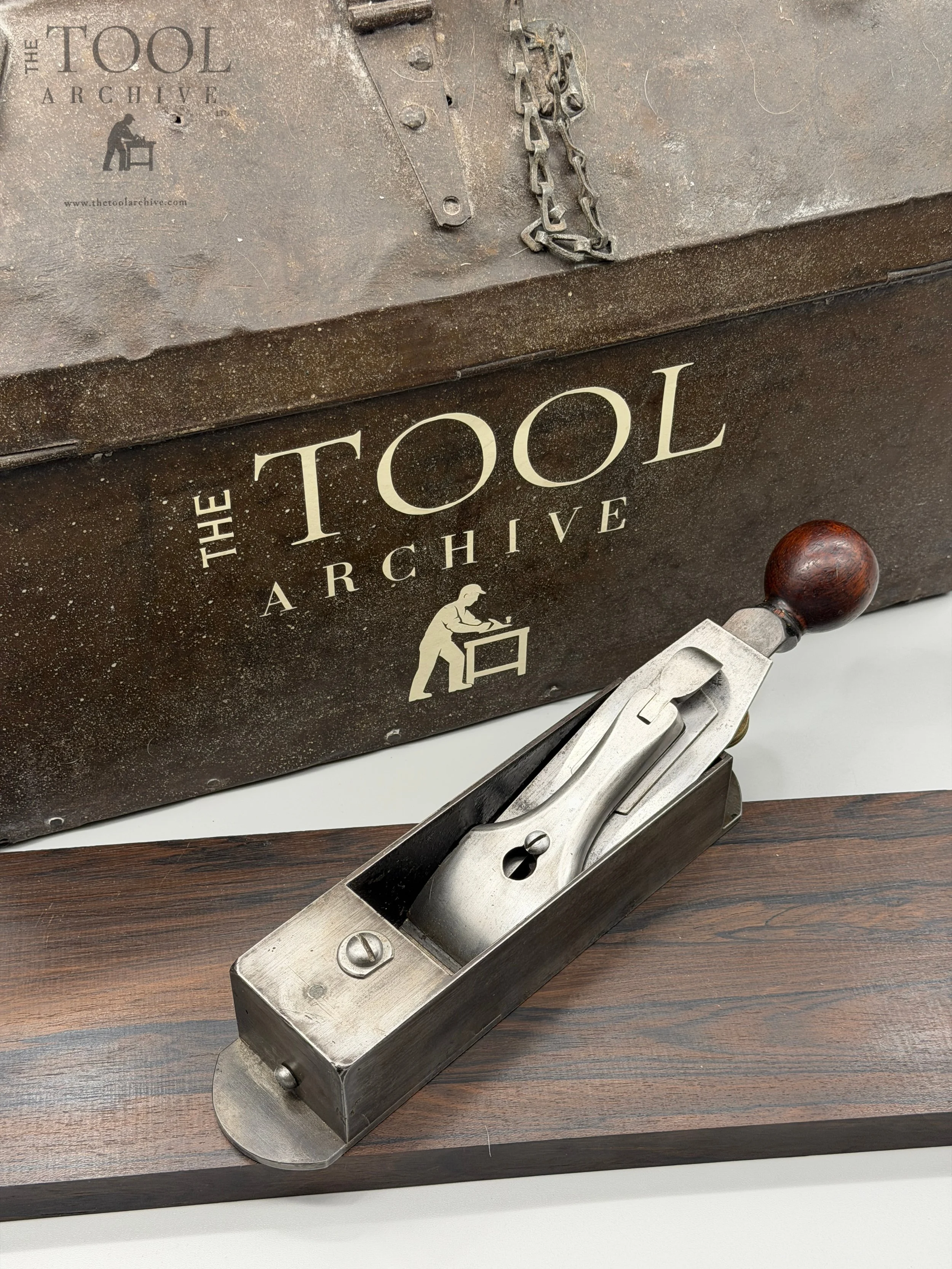
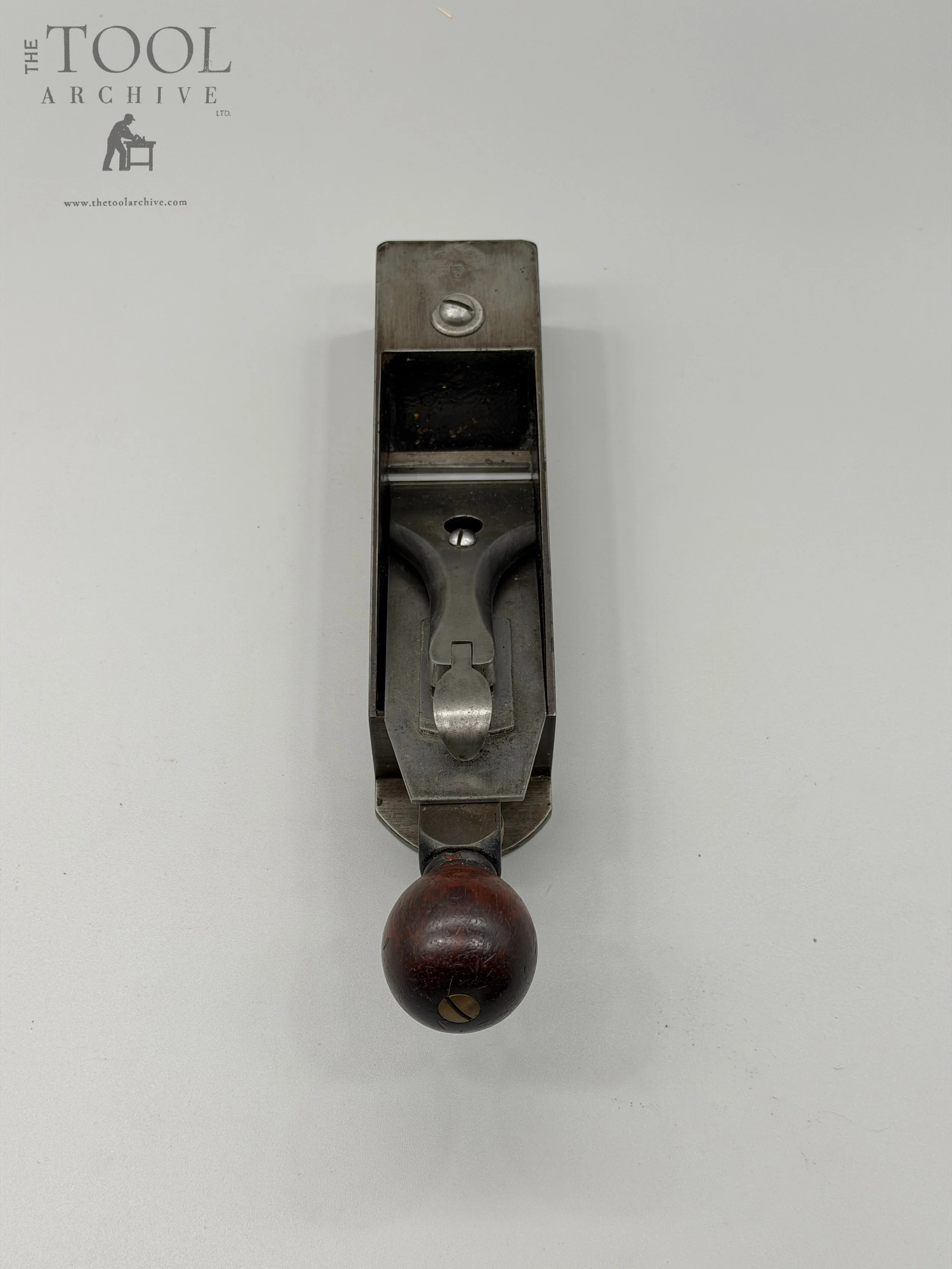
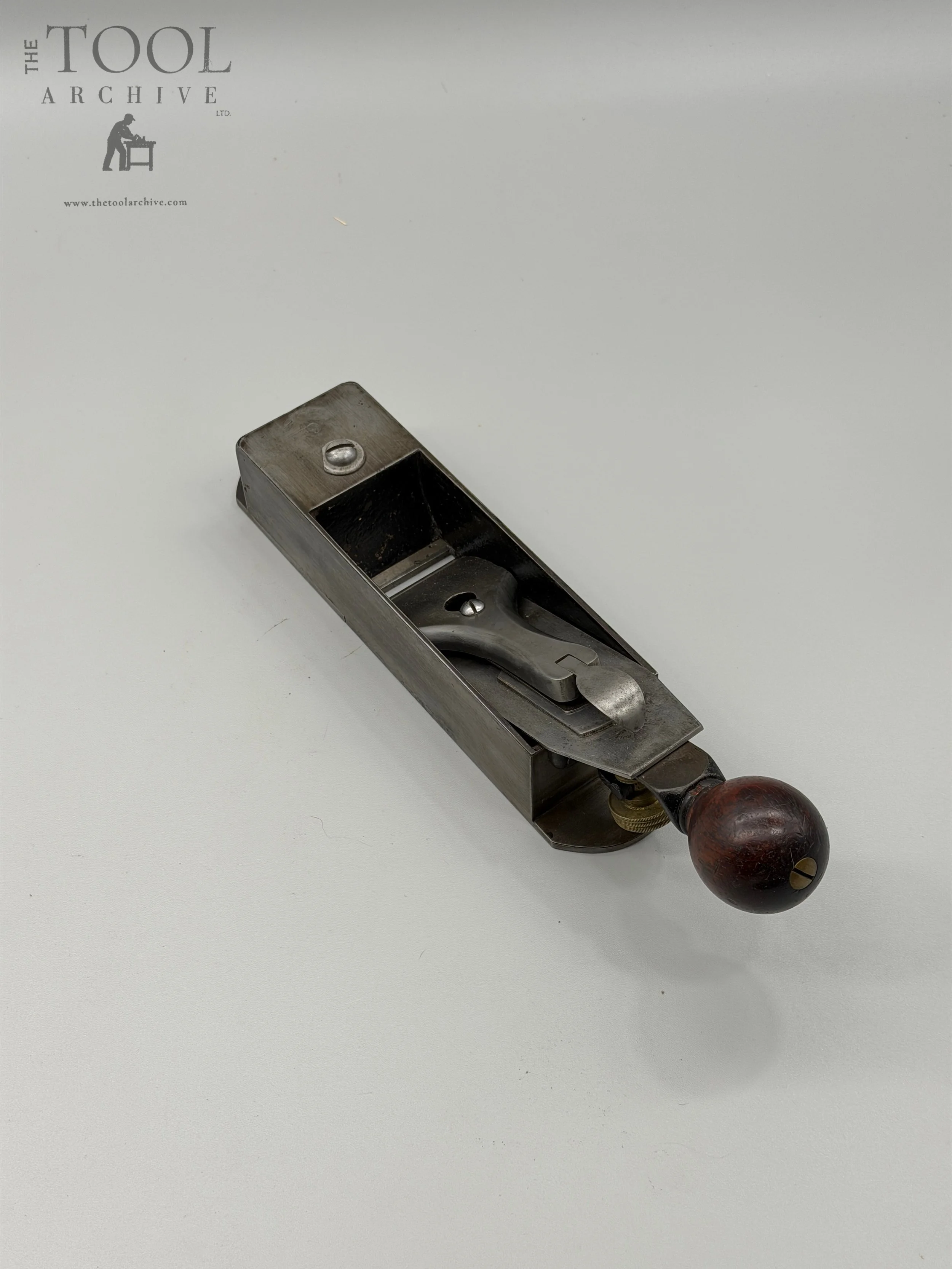
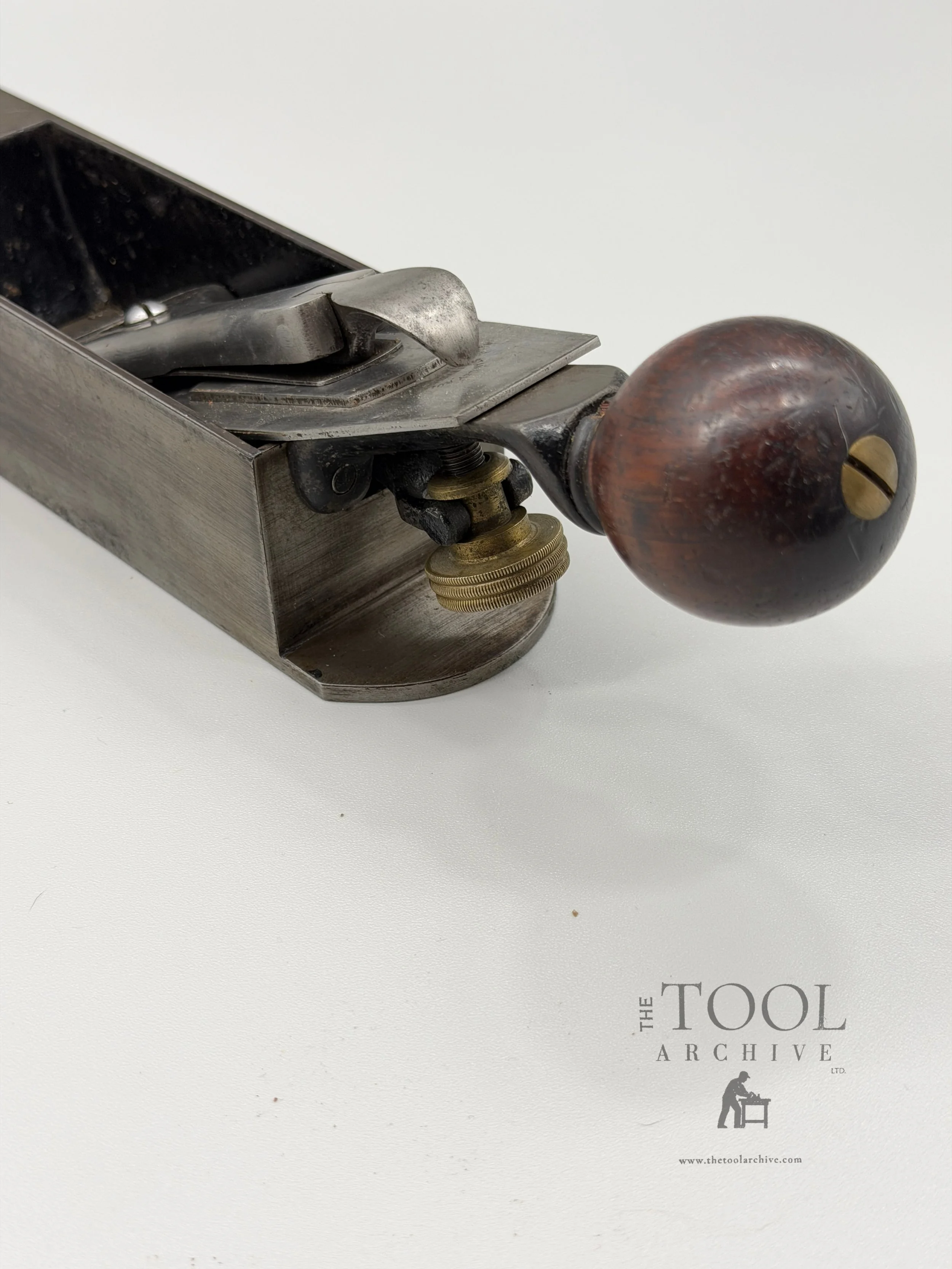
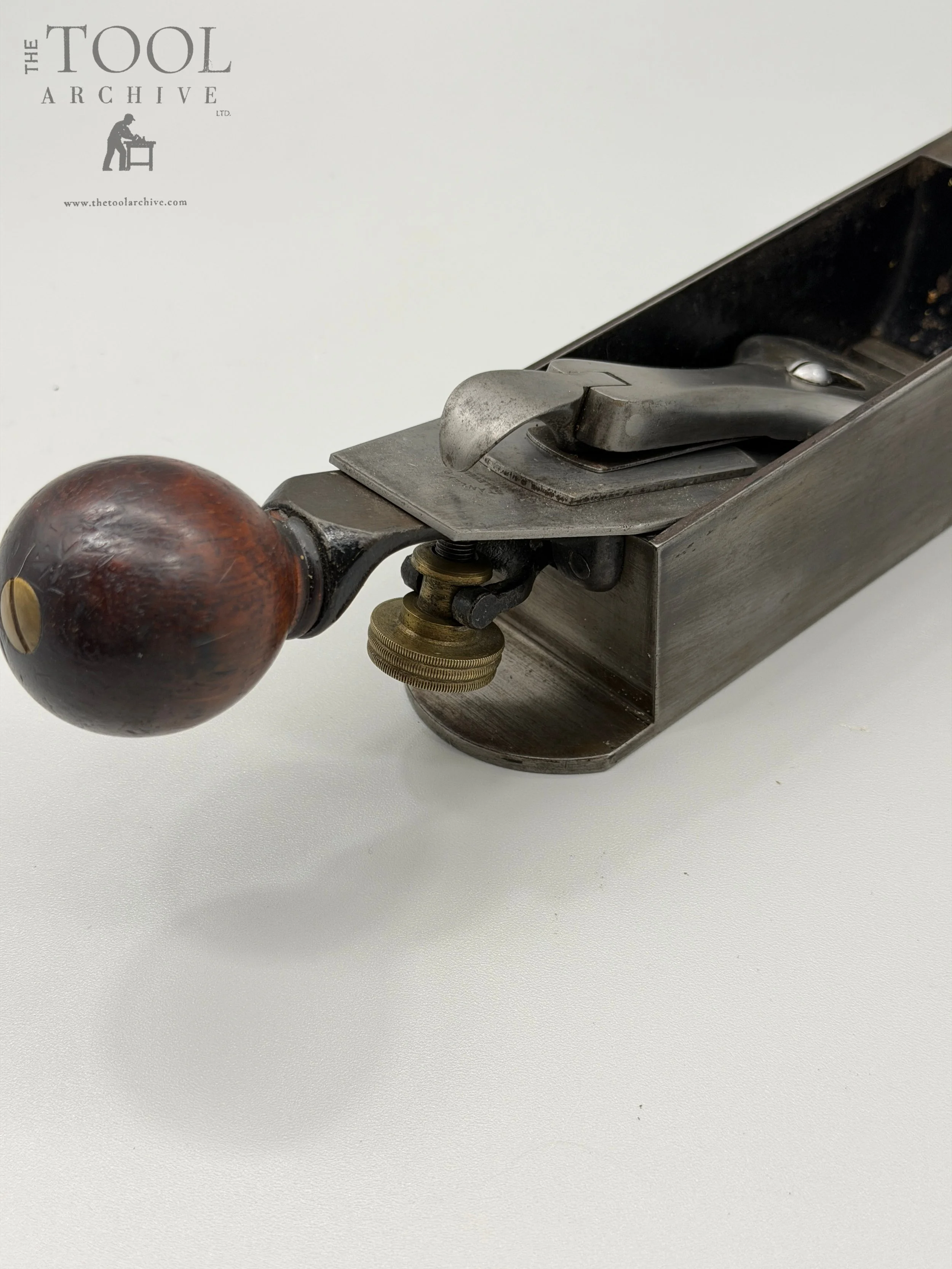
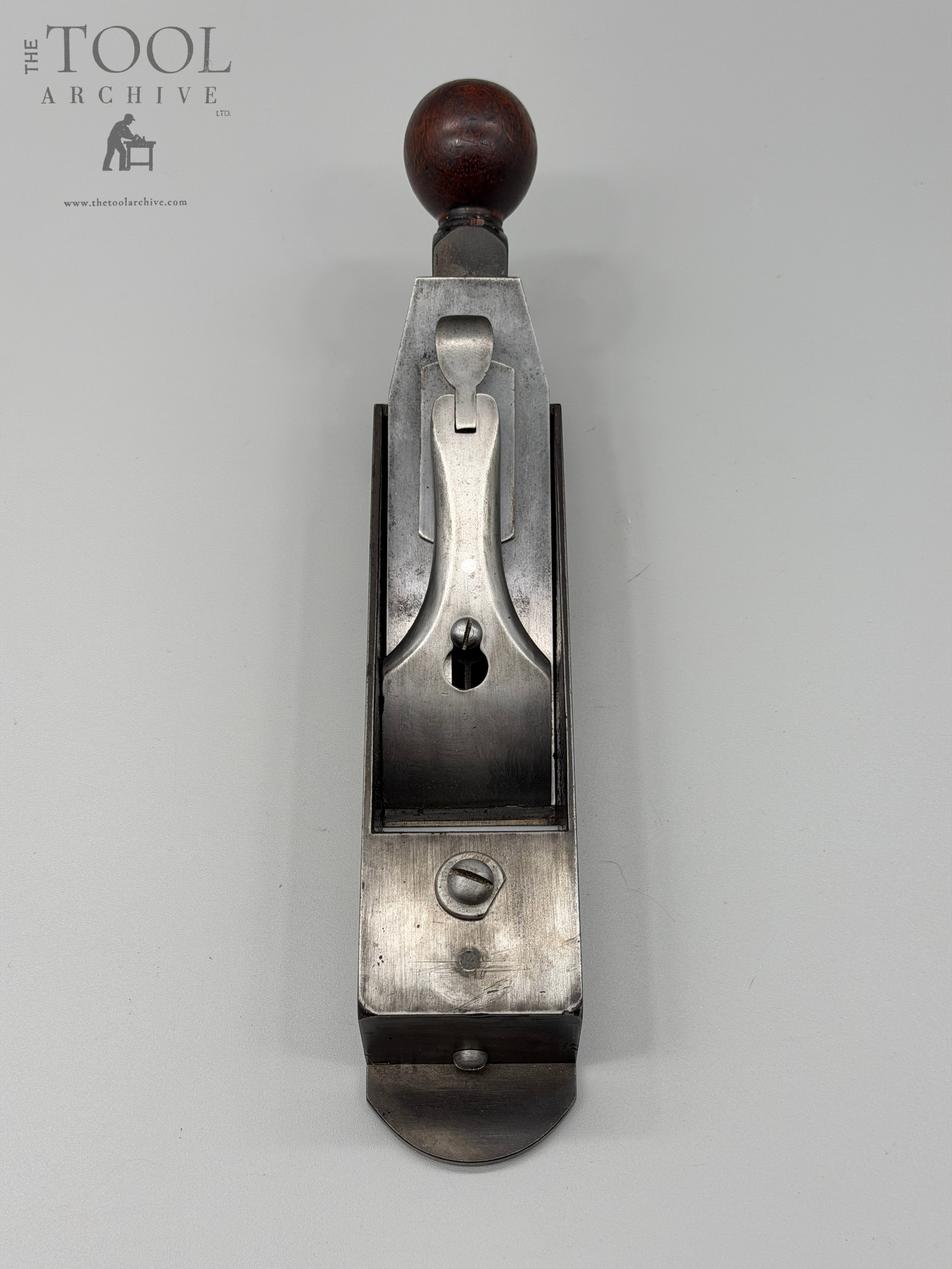
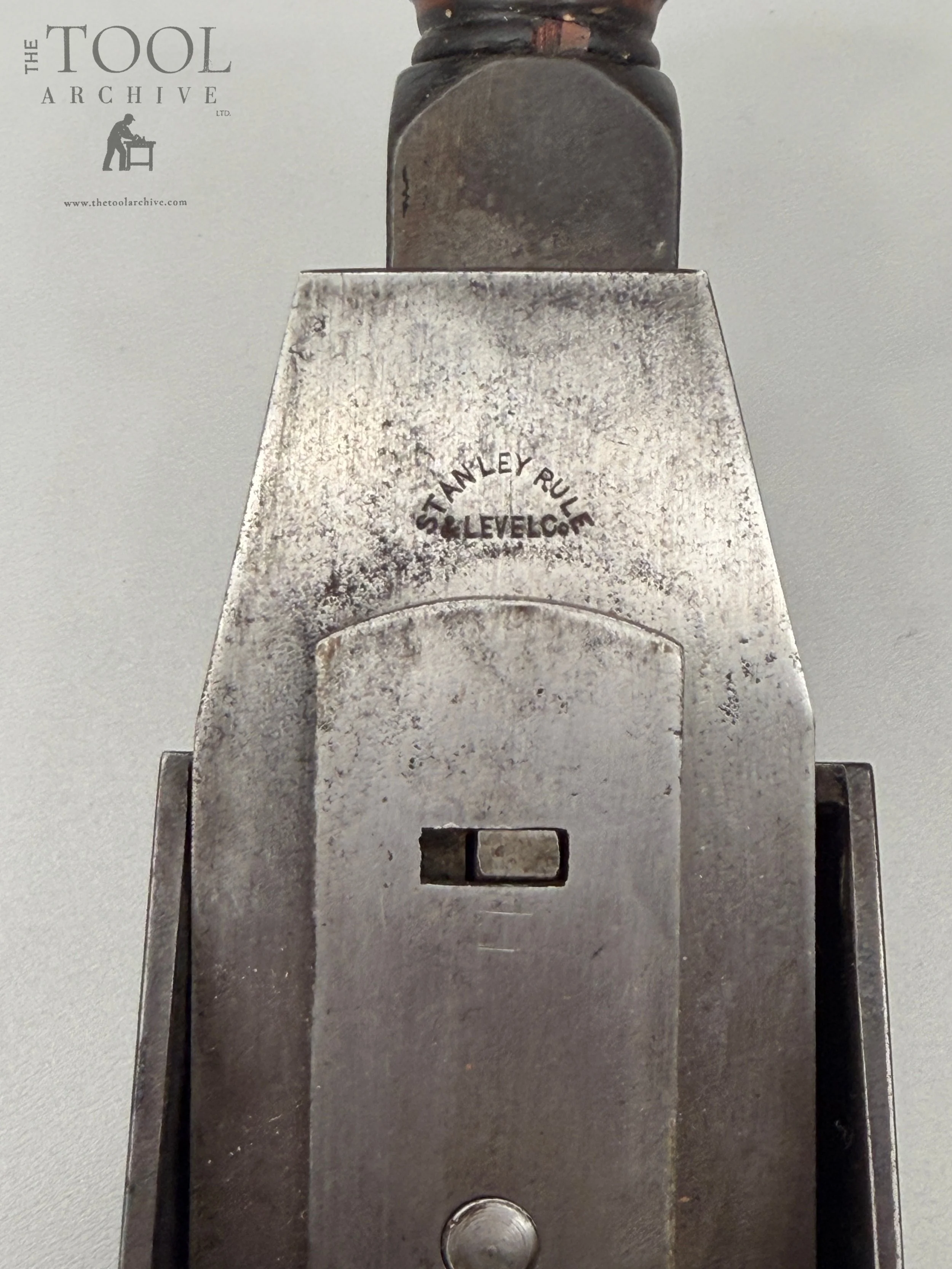
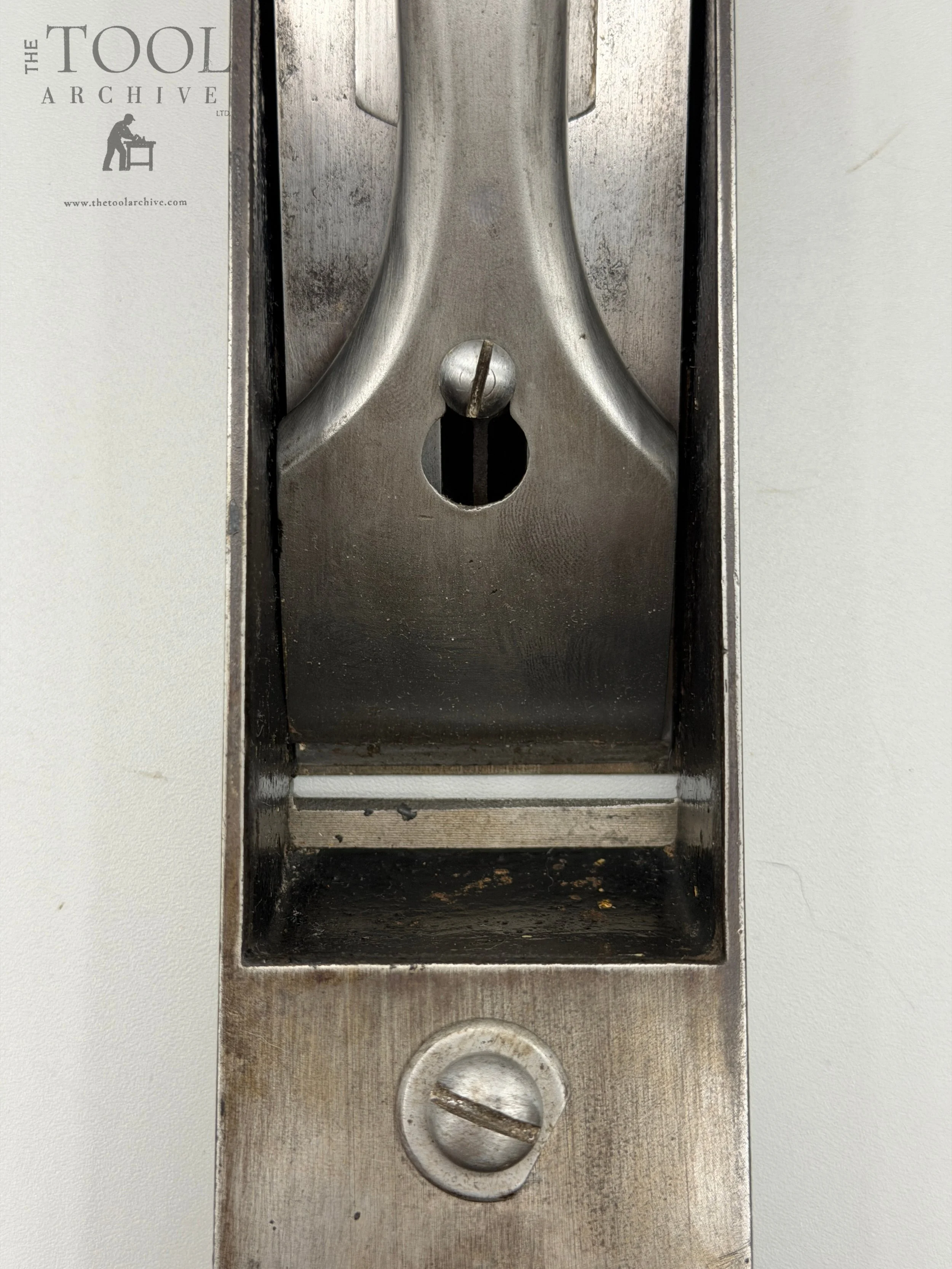
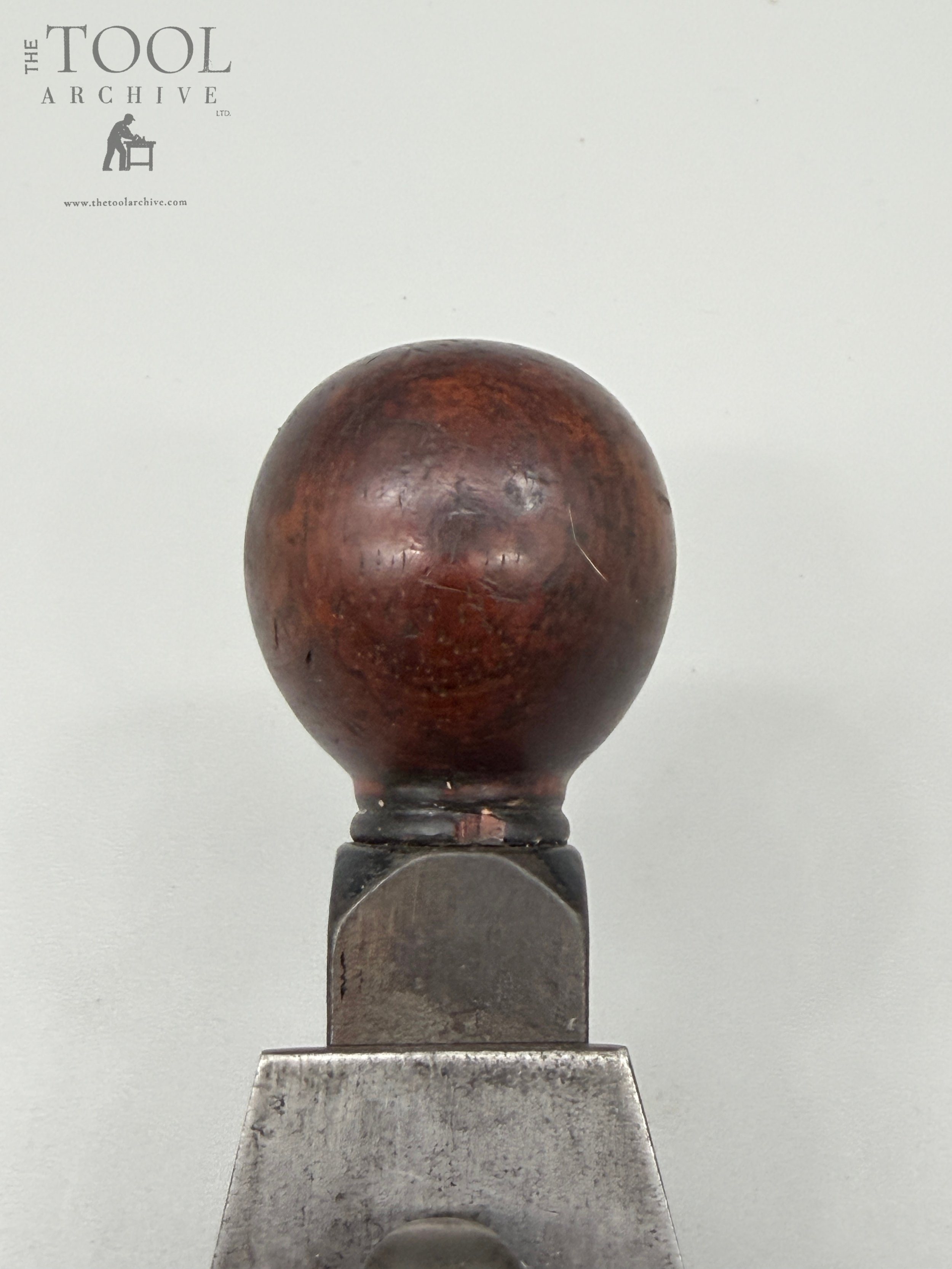
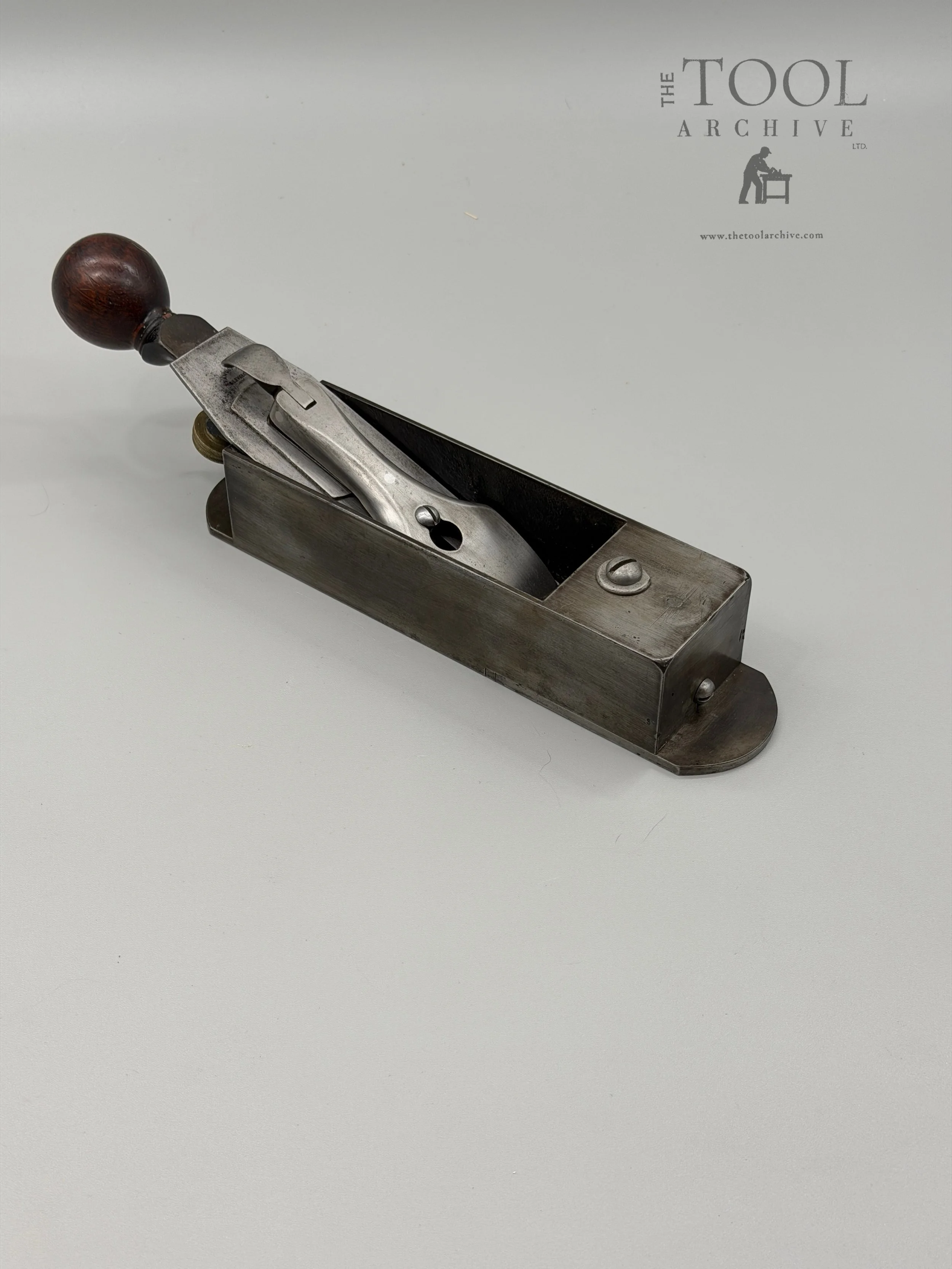
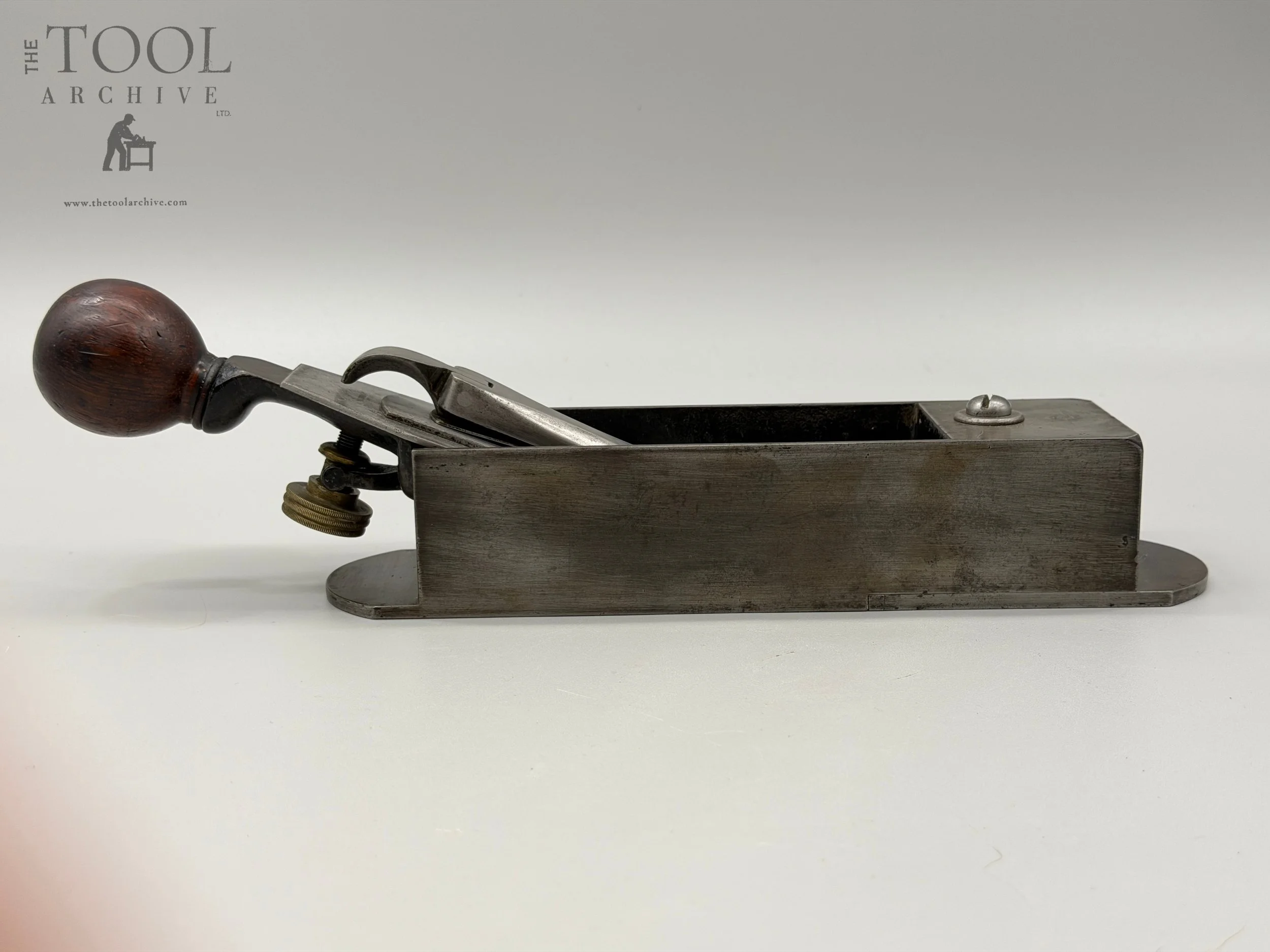
This is a gorgeous, early (ca. 1869-1908) “type 2," adjustable mouth, fully functional No. 9. It has the brass depth adjustment knob with Bailey and patent dates stamped on the inside, mainly made from the 1870s to early 1890s. J-iron logo on cutter, consistent with the rest. Excellent condition with a beautiful patina and great rosewood.
Now, to the part where we’re supposed to “apologize” for the plane’s imperfections, right? Nope. Not here. These are not apologies; they are the scars worn like badges of honor for the stories they tell about the plane’s life. Wow, we got a little sappy there. But we’re okay with vulnerability. So, the scars:
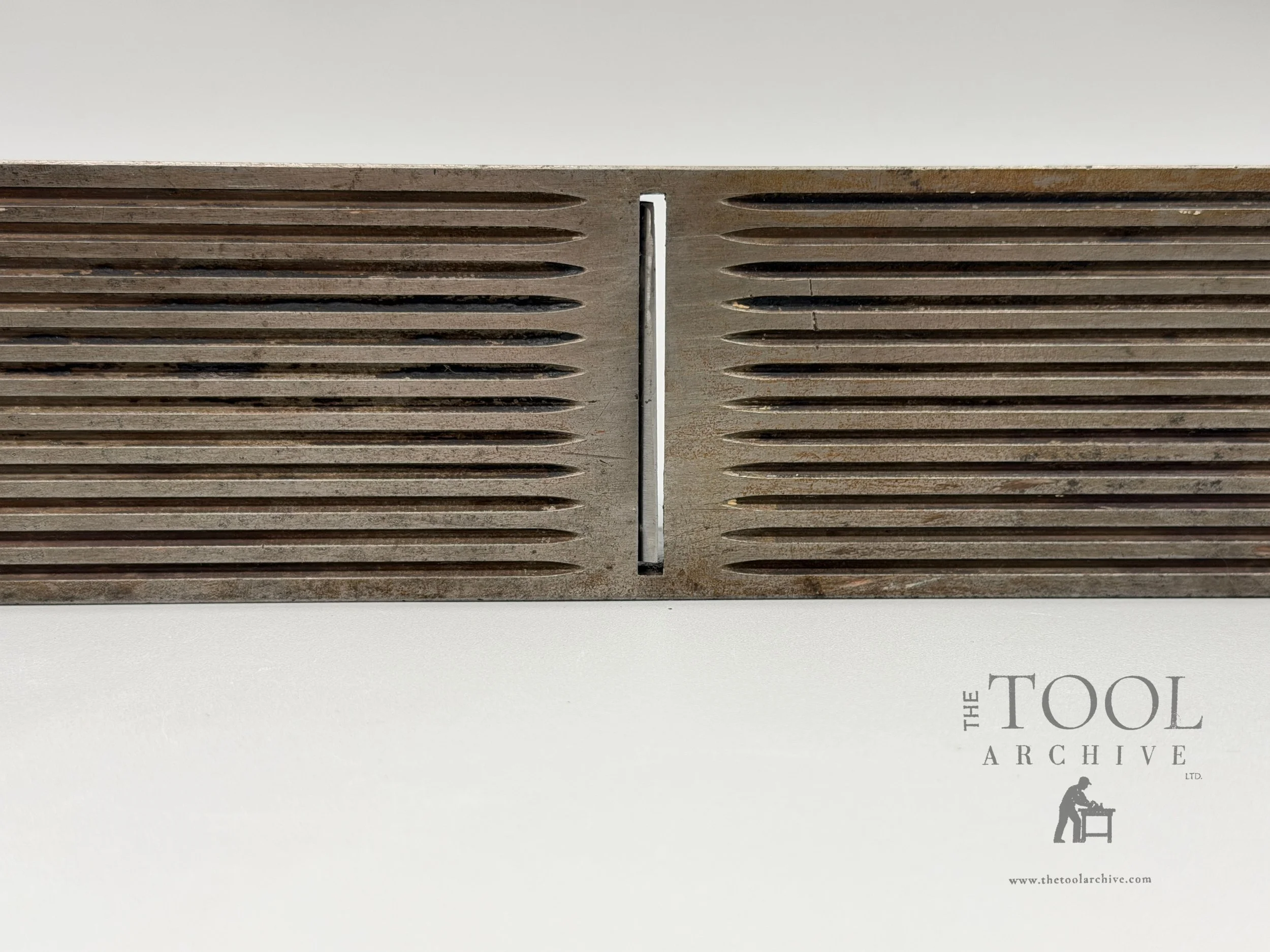
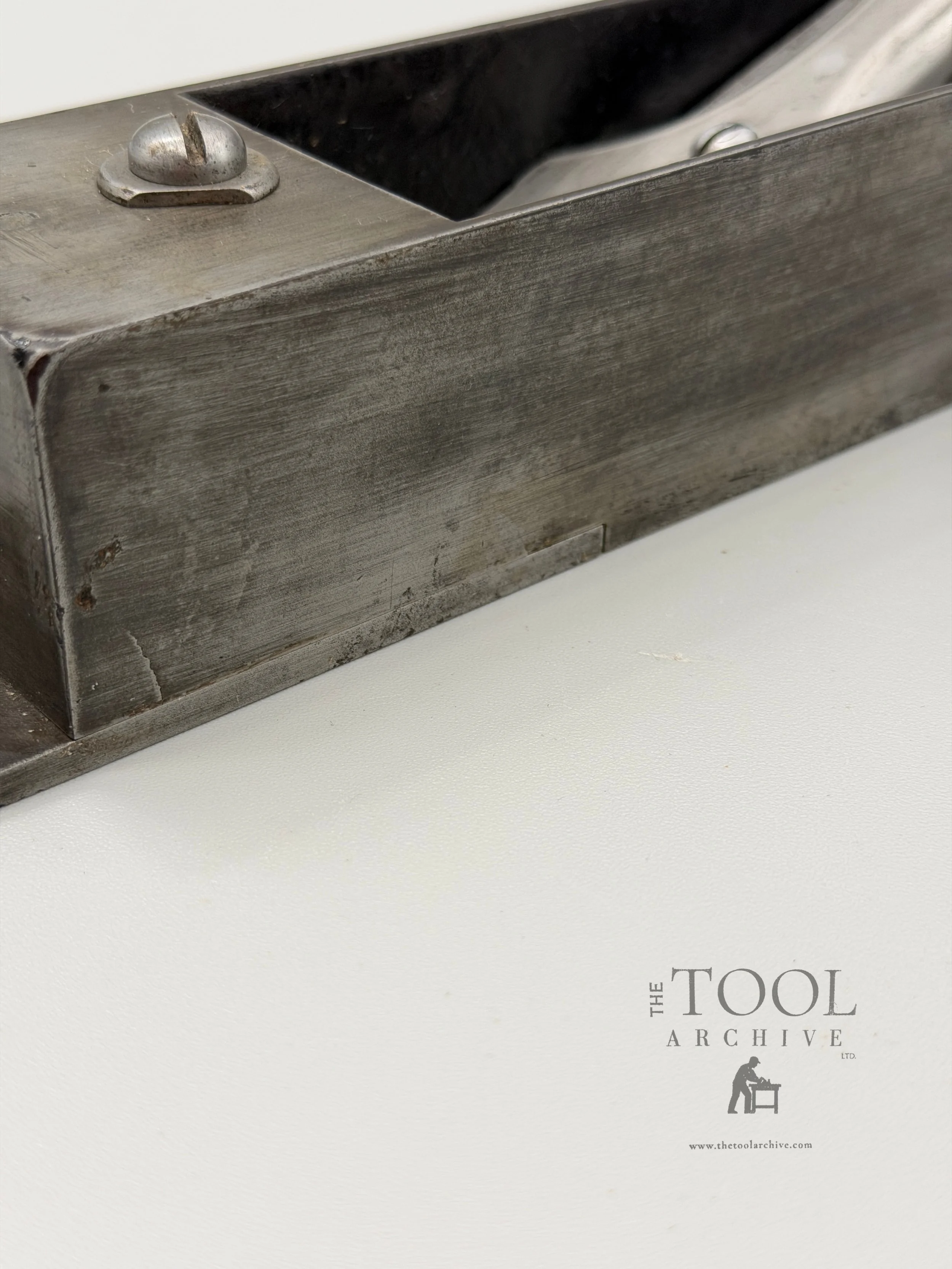
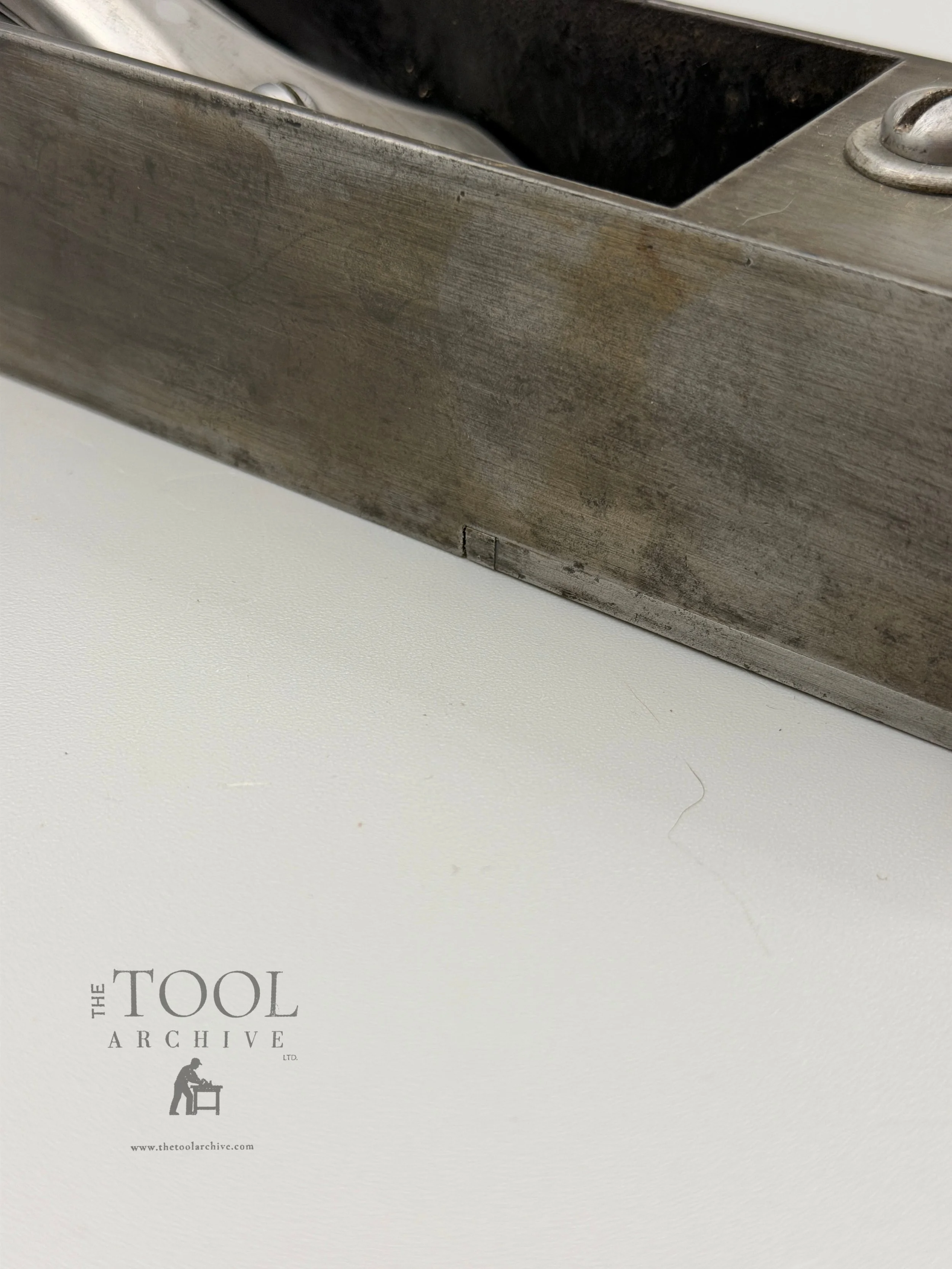
There’s a small spot that has what we think is a casting anomaly that looks similar to a crack. Left cheek, toward the front. Photo 13.
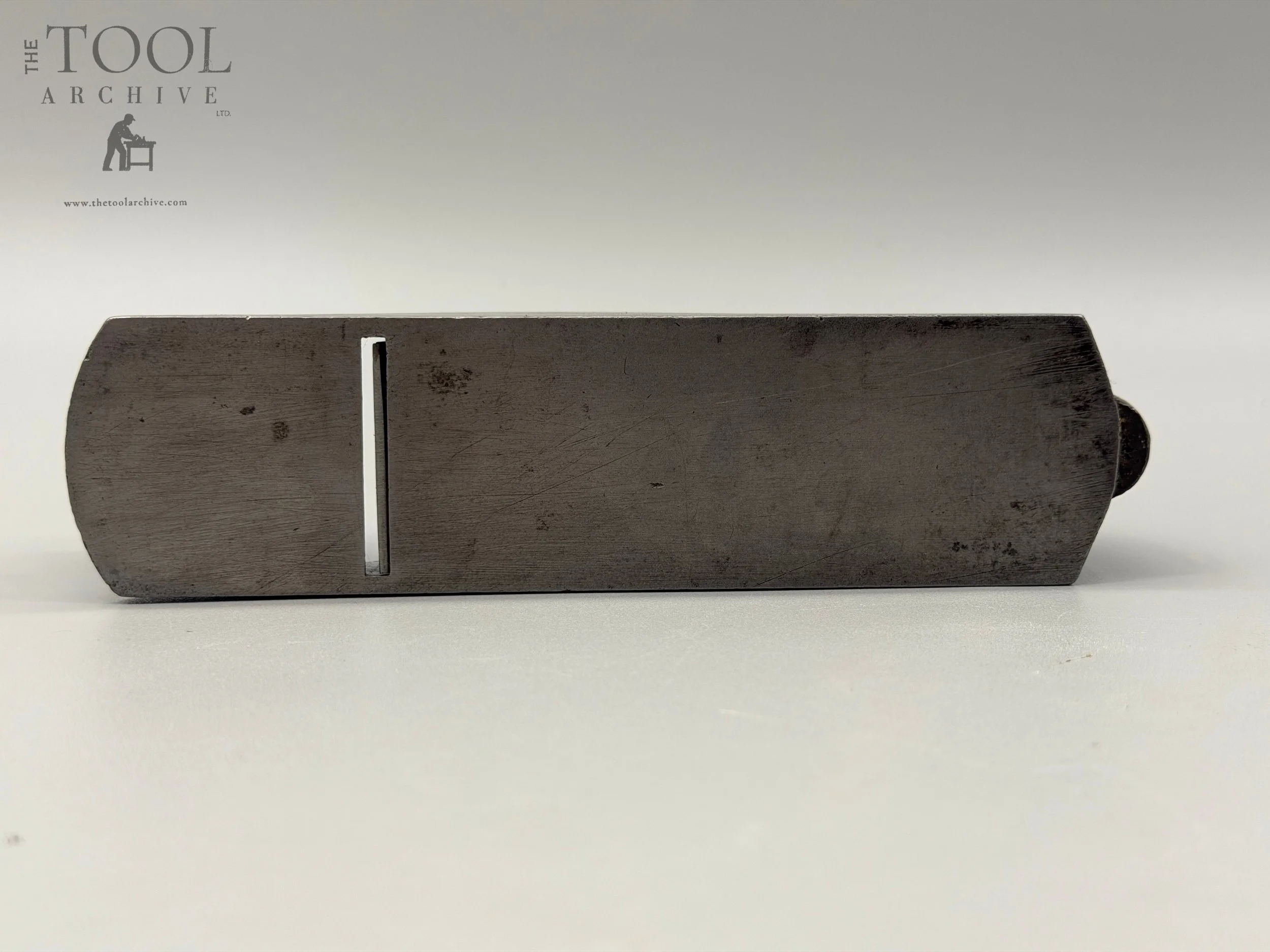
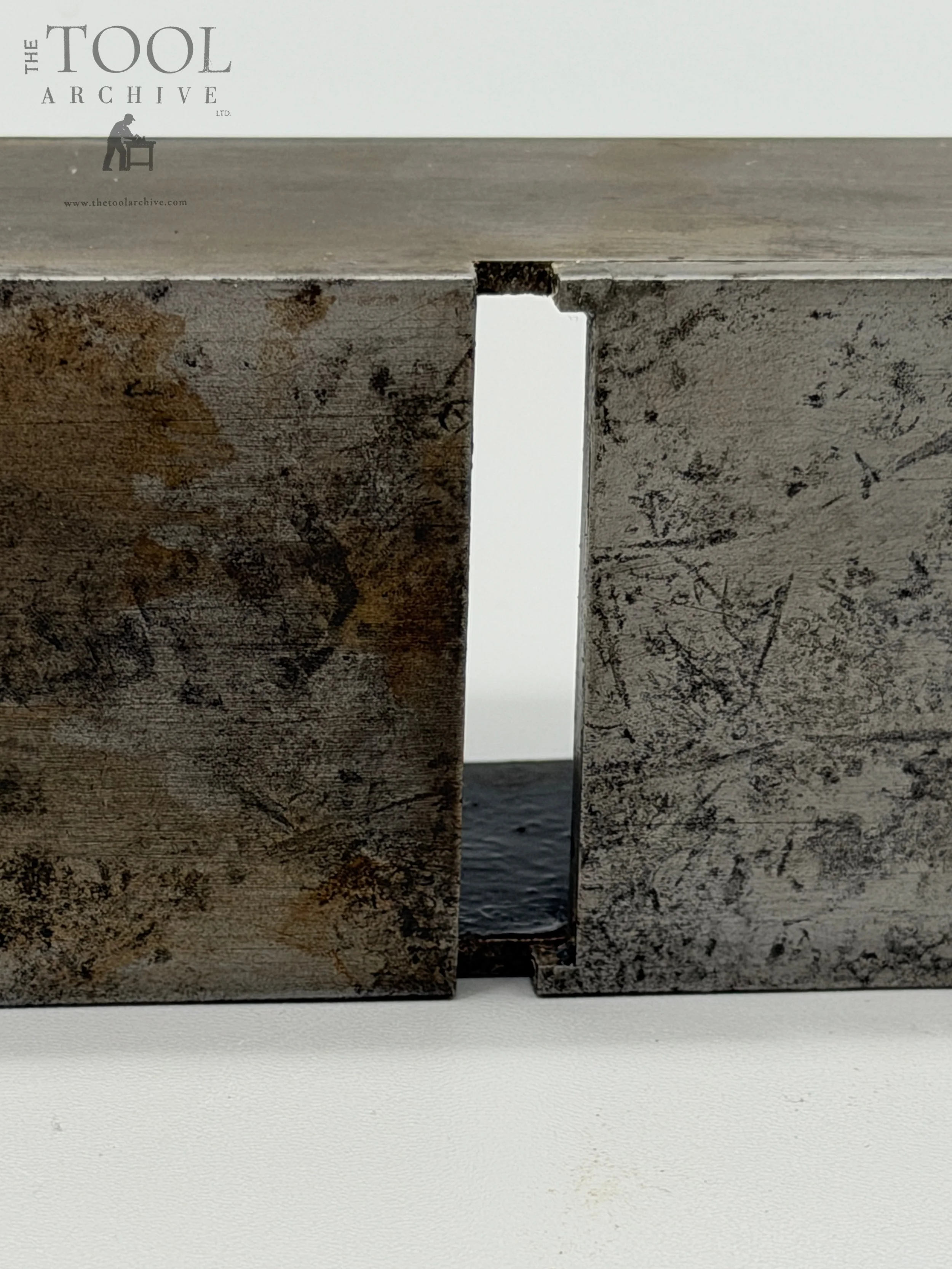
There’s a part of the adjustable mouth on each side that is a tiny square of iron jutting out to close up the casting on the outside edges of the mouth when the mouth is adjusted fully tight. In other words, a tiny piece waiting to get broken off, and it looks like the one on the right cheek has been reattached. Photo 15.
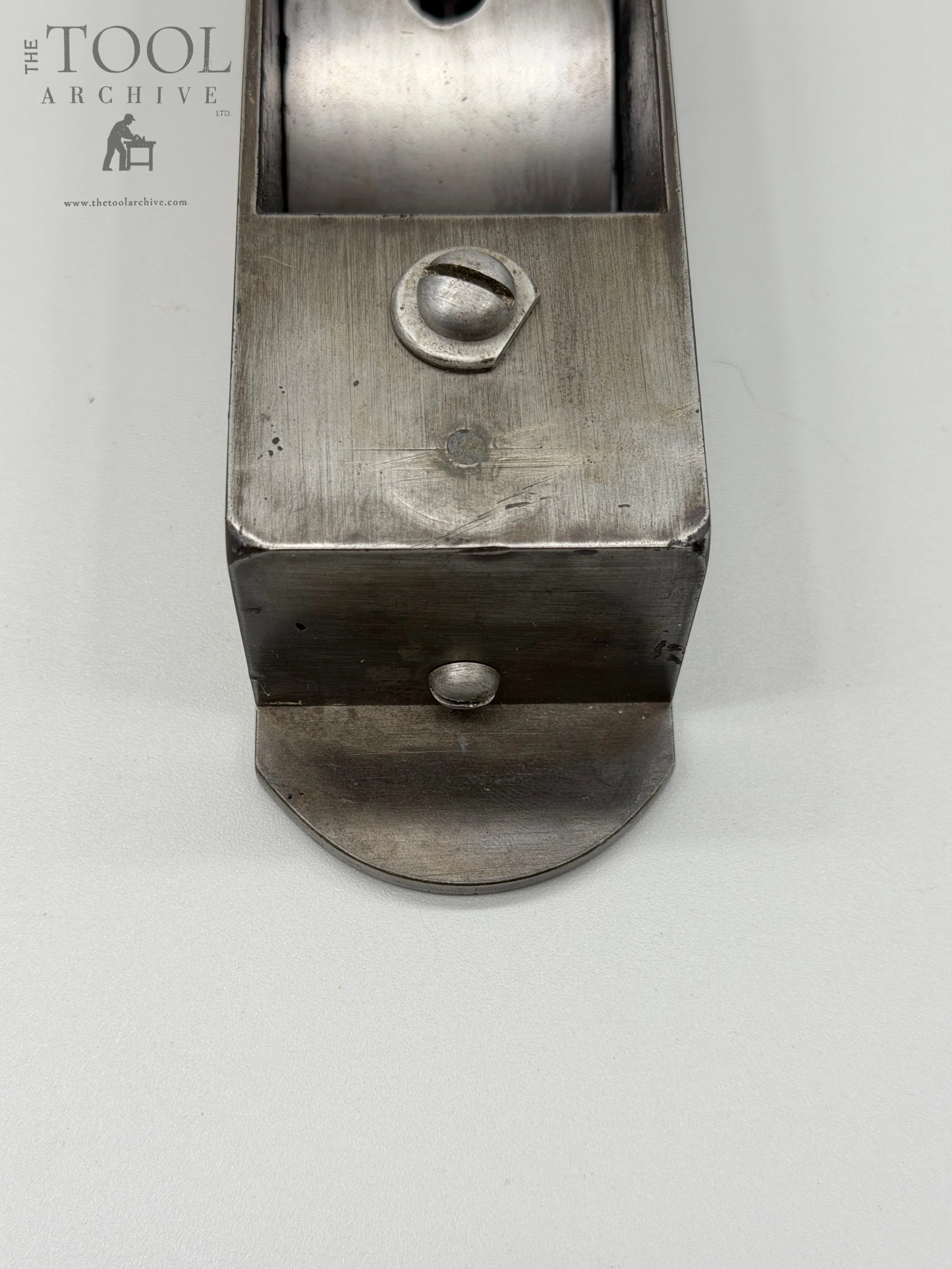
Part of that washer on the top front of the plane was sheared off in a fight with six Samurai warriors. That sliver is all they got. Many photos.
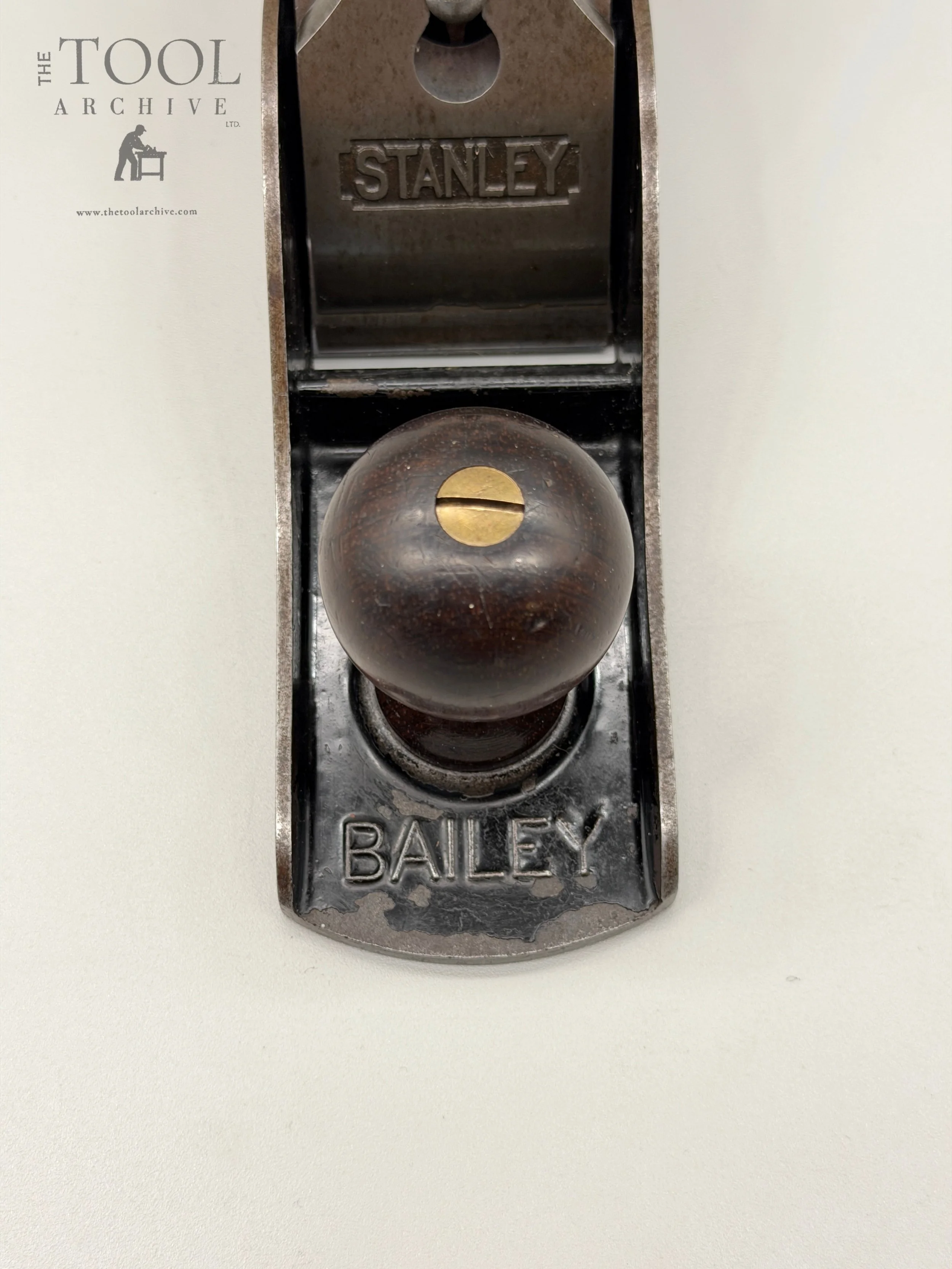
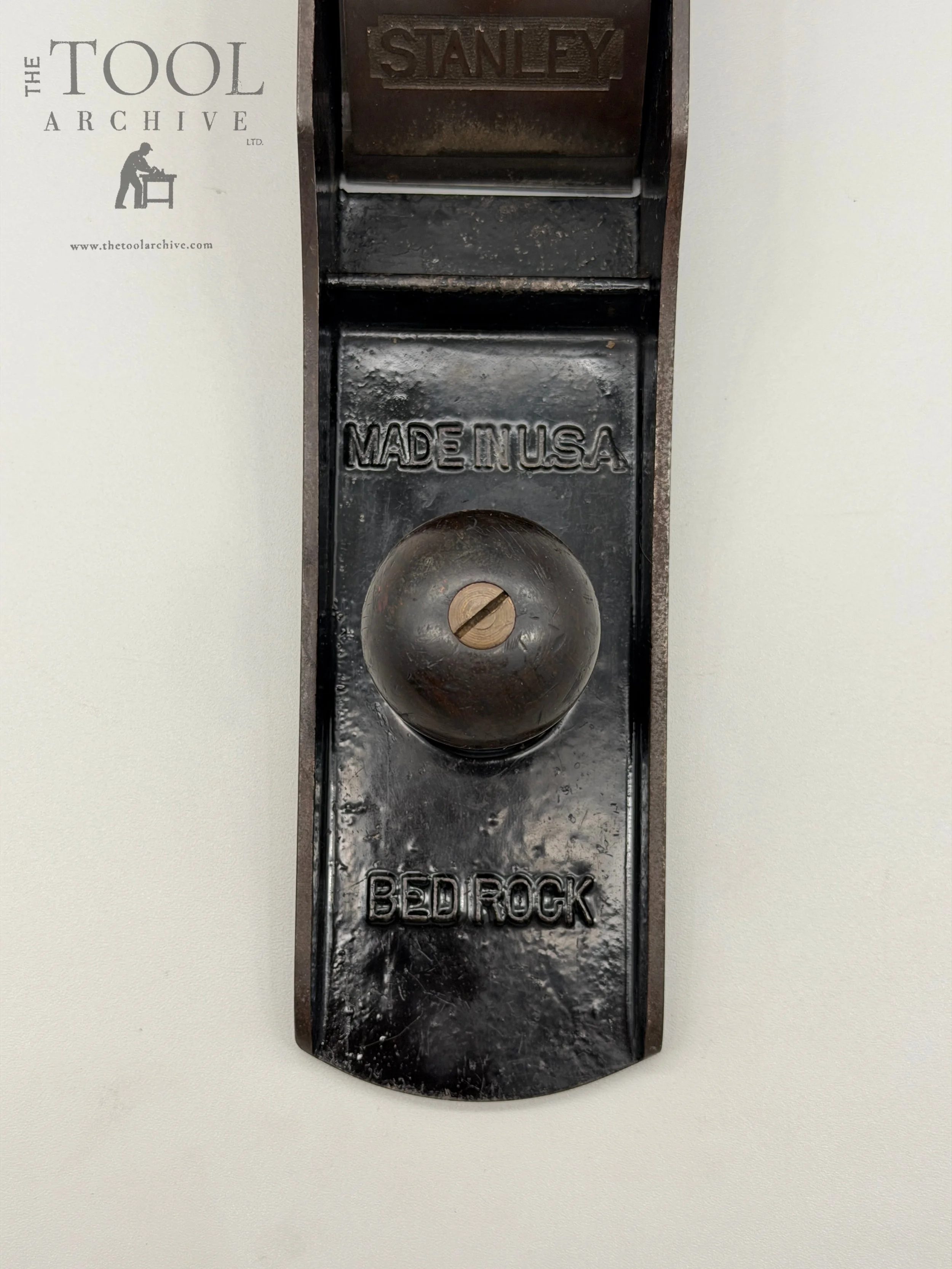
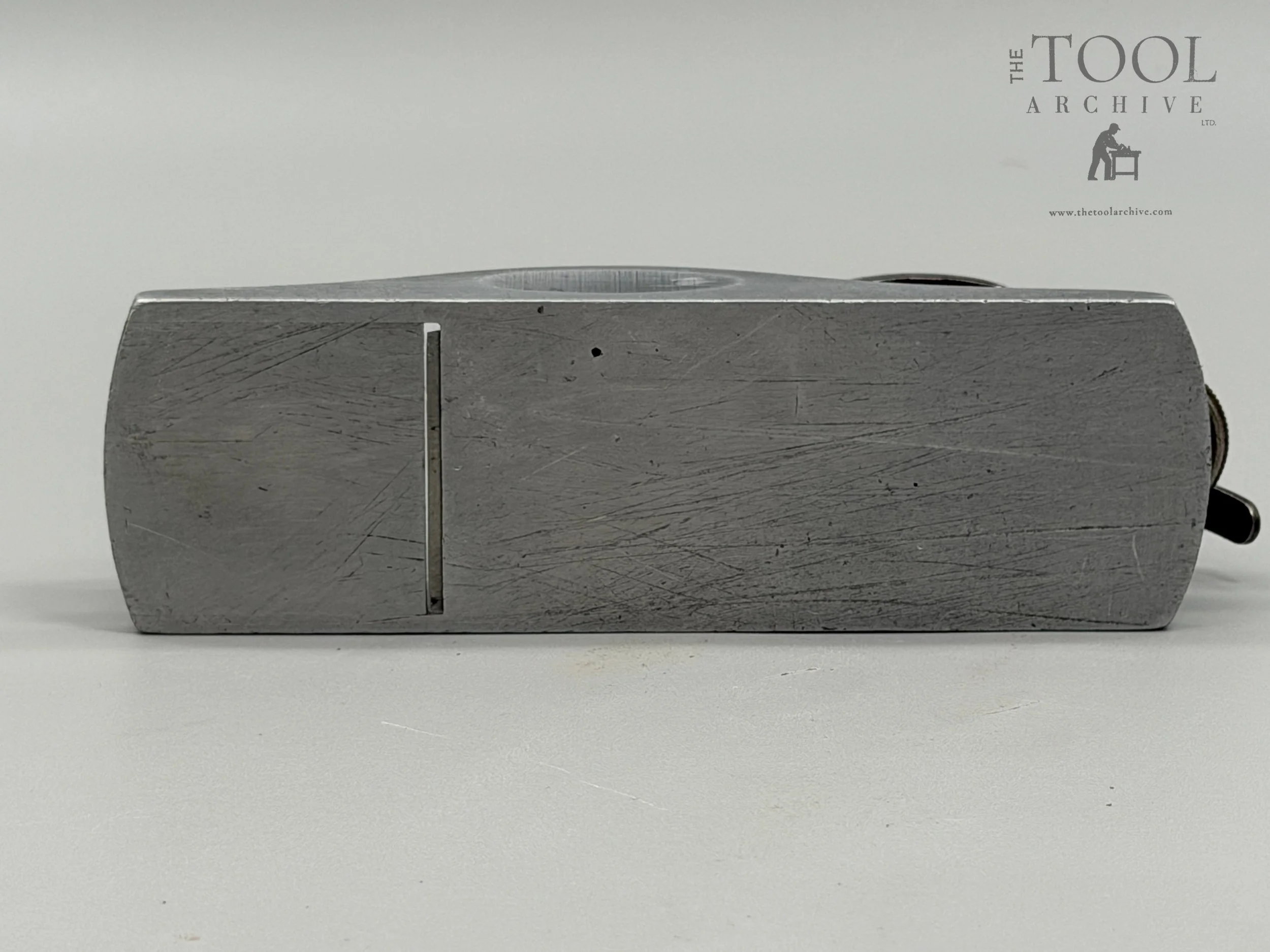
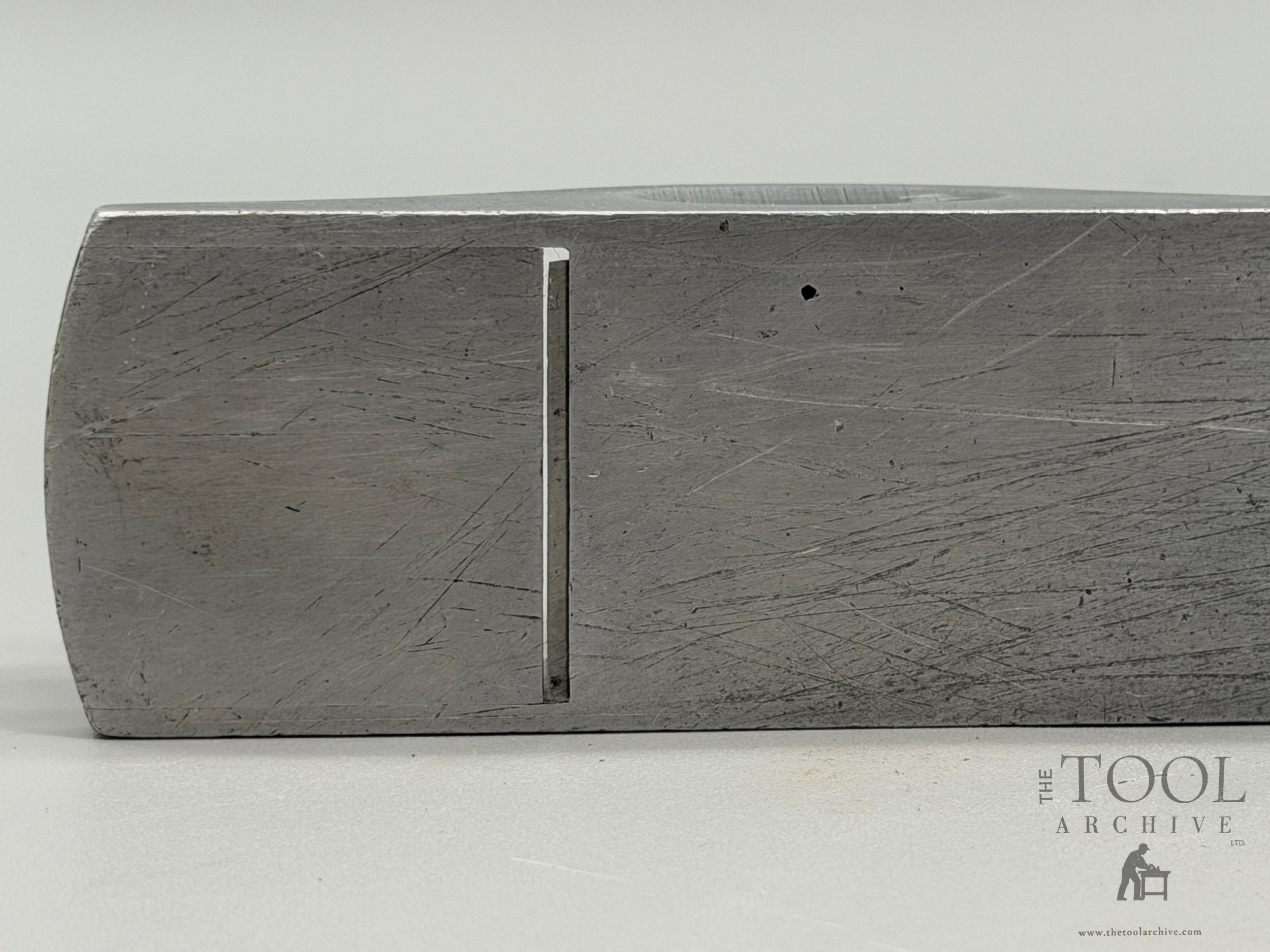
The front corners are rounded off a bit. The castings on early ones like this had slightly rounded corners, and it wasn’t uncommon for users to ease the corners a bit more—easier on the hands. Some might deduct points for that, but we don’t think it’s a defect when a tool shows how it was used.
So, it’s not “perfect” in the sense of a spotless and shiny collector plane that lived in a bubble isolated from the world, lonely and dreaming of planing wood, but never even seeing a board. Sad, and expensive, valued up to $3,000 in the John Walter book. The one in this listing, by contrast, is perfect in its own unique way that gives clues about its life. A life out in the world, not stuck in a bubble. That kind of perfection isn’t valued quite so much by the people who make the rules, so it’s not $3,000.
From the collection of Harold Unruh.
Ships to you exceedingly well packed and insured.
The No. 9, a plane by many names. Pick your favorite. Or make up your own. He’ll answer to just about any name if you give him treats. While we’re on the nonsense train, can we just comment that the No. 9 must have been adopted because it looks nothing like 1-8. Or a total genetic shake-up produced No. 9. Anyway, back to the plane.
This is a gorgeous, early (ca. 1869-1908) “type 2," adjustable mouth, fully functional No. 9. It has the brass depth adjustment knob with Bailey and patent dates stamped on the inside, mainly made from the 1870s to early 1890s. J-iron logo on cutter, consistent with the rest. Excellent condition with a beautiful patina and great rosewood.
Now, to the part where we’re supposed to “apologize” for the plane’s imperfections, right? Nope. Not here. These are not apologies; they are the scars worn like badges of honor for the stories they tell about the plane’s life. Wow, we got a little sappy there. But we’re okay with vulnerability. So, the scars:
There’s a small spot that has what we think is a casting anomaly that looks similar to a crack. Left cheek, toward the front. Photo 13.
There’s a part of the adjustable mouth on each side that is a tiny square of iron jutting out to close up the casting on the outside edges of the mouth when the mouth is adjusted fully tight. In other words, a tiny piece waiting to get broken off, and it looks like the one on the right cheek has been reattached. Photo 15.
Part of that washer on the top front of the plane was sheared off in a fight with six Samurai warriors. That sliver is all they got. Many photos.
The front corners are rounded off a bit. The castings on early ones like this had slightly rounded corners, and it wasn’t uncommon for users to ease the corners a bit more—easier on the hands. Some might deduct points for that, but we don’t think it’s a defect when a tool shows how it was used.
So, it’s not “perfect” in the sense of a spotless and shiny collector plane that lived in a bubble isolated from the world, lonely and dreaming of planing wood, but never even seeing a board. Sad, and expensive, valued up to $3,000 in the John Walter book. The one in this listing, by contrast, is perfect in its own unique way that gives clues about its life. A life out in the world, not stuck in a bubble. That kind of perfection isn’t valued quite so much by the people who make the rules, so it’s not $3,000.
From the collection of Harold Unruh.
Ships to you exceedingly well packed and insured.